Daniel Ablordey is a Business Analytics student at the University of Ghana Business School and an emerging strategist at the intersection of data, markets, and narrative. With a keen analytical mind and a passion for African business and economic trends, he is building a career focused on translating complex data-driven insights into accessible, decision-relevant stories that matter.As a writer and editor with Insight Ghana, African Business Insight, and The African Journal, Daniel delivers sharp, high-impact analysis on current affairs, business developments, and emerging trends across the continent. His work is defined by precision, clarity, and a deep commitment to responsible journalism — ensuring that every story he tells is not only accurate but meaningful to the audiences it serves.Beyond his editorial work, Daniel serves as an Ecobank Youth Ambassador, where he actively promotes financial inclusion, digital banking, and financial literacy among young Ghanaians. His leadership experience spans academic, professional, and faith-based institutions, where he has consistently driven initiatives centered on growth, structure, and long-term impact.Grounded in the principles of Pan-Africanism and service, Daniel brings a rare combination of analytical rigour and storytelling depth to his work. Whether unpacking market behavior, profiling emerging business leaders, or covering cultural shifts shaping the continent, he approaches every assignment with strategic intent and editorial integrity.His broader ambition is to contribute to Africa's transformation by shaping how data, business, and storytelling intersect — not just locally, but on a global stage.
British Conservative Party leader and Member of Parliament Kemi Badenoch has revealed that she no longer identifies as Nigerian, stating that she has not renewed her Nigerian passport since the early 2000s.
Badenoch, who was born in the United Kingdom, spent much of her formative years in Nigeria and the United States before returning to the UK at the age of 16. Her return, she explained, was prompted by the worsening political and economic conditions in Nigeria at the time — a situation she described as deeply formative to her views on governance and nationhood.
‘I Am British’: A Personal and Political Statement
In her remarks, Badenoch emphasized that her decision is not borne out of disdain for Nigeria’s people or culture but reflects her current political identity and allegiance.
“I no longer identify as Nigerian. I haven’t held a valid Nigerian passport in over two decades,” she said, adding that her political and ideological convictions have since been shaped by her life and work in the United Kingdom.
Her comments have sparked widespread debate online, with critics accusing her of disavowing her roots, while others applaud her for being forthright about her identity and personal convictions.
The conversation also reignites broader questions around diaspora identity, dual citizenship, and national belonging—especially among Africans living in the West.
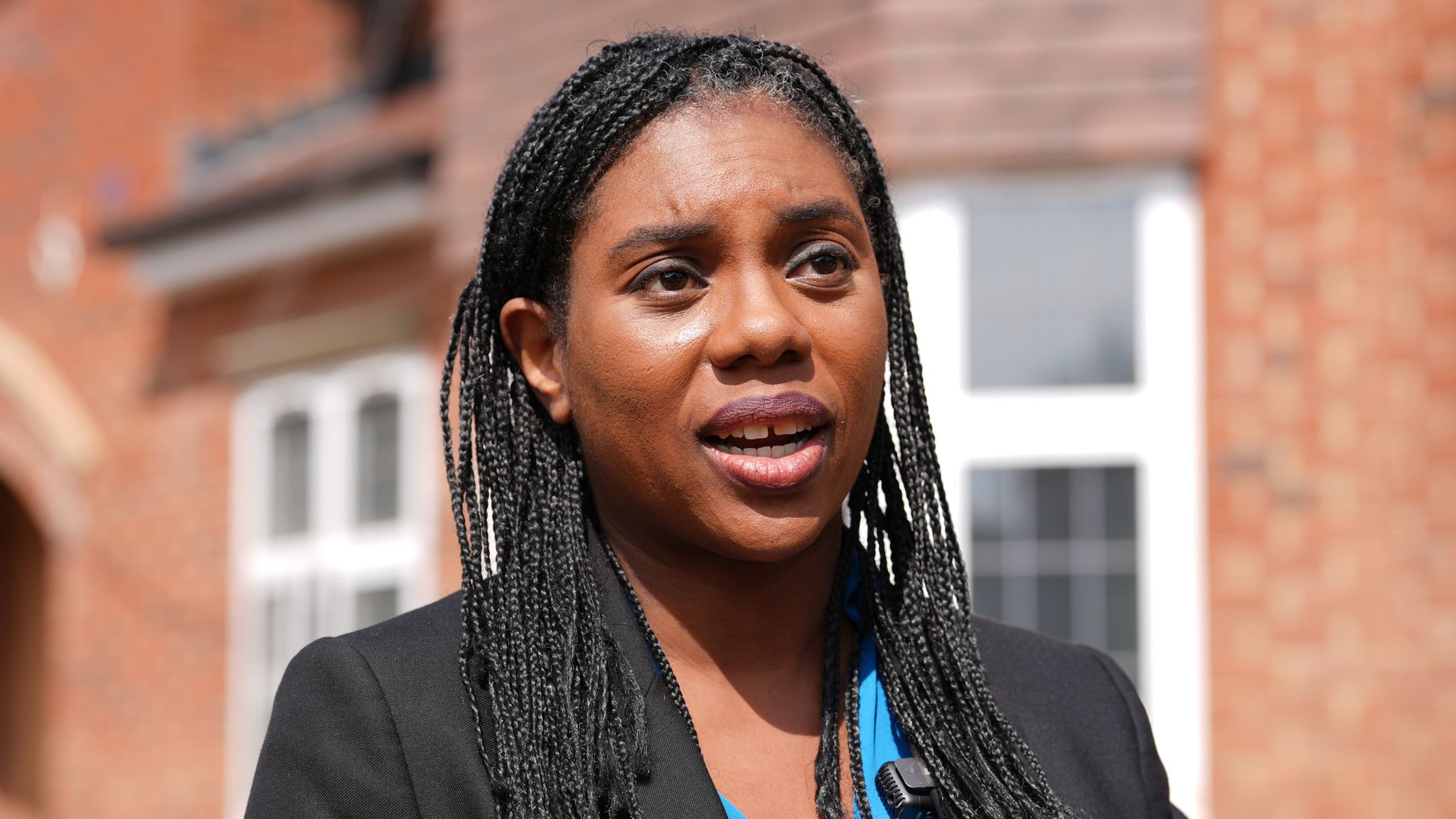
Kemi Badenoch
As the Conservative Party leader continues to shape her political narrative, her disavowal of Nigerian identity is likely to influence both public perception and her international profile in the years ahead.
Daniel Ablordey is a Business Analytics student at the University of Ghana Business School and an emerging strategist at the intersection of data, markets, and narrative. With a keen analytical mind and a passion for African business and economic trends, he is building a career focused on translating complex data-driven insights into accessible, decision-relevant stories that matter.As a writer and editor with Insight Ghana, African Business Insight, and The African Journal, Daniel delivers sharp, high-impact analysis on current affairs, business developments, and emerging trends across the continent. His work is defined by precision, clarity, and a deep commitment to responsible journalism — ensuring that every story he tells is not only accurate but meaningful to the audiences it serves.Beyond his editorial work, Daniel serves as an Ecobank Youth Ambassador, where he actively promotes financial inclusion, digital banking, and financial literacy among young Ghanaians. His leadership experience spans academic, professional, and faith-based institutions, where he has consistently driven initiatives centered on growth, structure, and long-term impact.Grounded in the principles of Pan-Africanism and service, Daniel brings a rare combination of analytical rigour and storytelling depth to his work. Whether unpacking market behavior, profiling emerging business leaders, or covering cultural shifts shaping the continent, he approaches every assignment with strategic intent and editorial integrity.His broader ambition is to contribute to Africa's transformation by shaping how data, business, and storytelling intersect — not just locally, but on a global stage.