

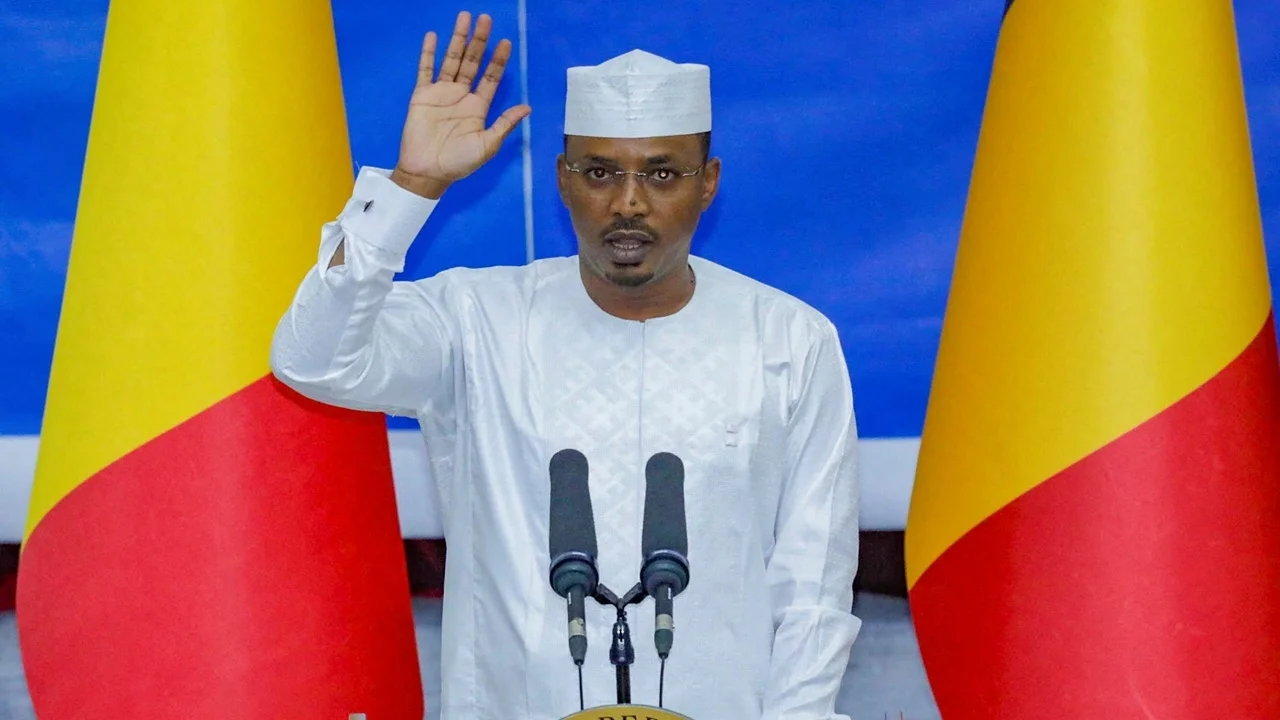
The Republic of Chad has announced a suspension of visa issuance to U.S. citizens in direct response to the United States government’s travel restrictions on Chadian nationals. The decision was confirmed by Chadian President Mahamat Idriss Déby, who cited reciprocity as the basis for the move.
A Diplomatic Response to the U.S. Travel Ban
This development comes after Chad was named among several countries affected by the new U.S. travel restrictions. The ban, issued on grounds of security vetting concerns, bars Chadian citizens from entering the U.S.—a policy that Chad’s leadership views as discriminatory and unjustified.
President Déby emphasized that Chad may lack the economic power of major nations, but it refuses to compromise its national pride and dignity.
“Chad has neither planes to offer, nor billions of dollars to give—but Chad has its dignity and pride,” he remarked in a firm statement.
Impact on Bilateral Relations and Mobility
This tit-for-tat diplomatic measure is expected to impact various sectors:
- Business and investment ties between Chad and the U.S. may face delays or disruptions.
- Humanitarian and development workers from the U.S. operating in Chad could encounter travel restrictions.
- Educational exchange programs and visa-dependent collaborations may be stalled or reconsidered.
The Chadian government’s response is the first among the affected countries to take concrete retaliatory steps, potentially setting a precedent for other nations similarly impacted by the U.S. policy.
Wider Continental Concerns

The broader African diplomatic community has voiced concern over the perceived targeting of African nations in the U.S. travel ban. Regional blocs and advocacy groups are calling for more constructive engagement between the United States and the African continent, rather than exclusionary policies.
Chad’s decision is being closely watched by regional partners and global observers alike, as diplomatic discussions are likely to unfold in the coming weeks.
Looking Ahead: A Call for Mutual Respect
While the visa suspension signals rising diplomatic tension, Chad has also hinted at its openness to dialogue—provided that future interactions are based on mutual respect and equality.
As international relations continue to evolve in the post-pandemic era, the incident highlights the importance of balanced foreign policies that do not alienate developing nations but instead promote collaboration and understanding.
Read Also: Ghanaians No Longer Need Traditional Visas to Travel to Morocco – Okudzeto Ablakwa