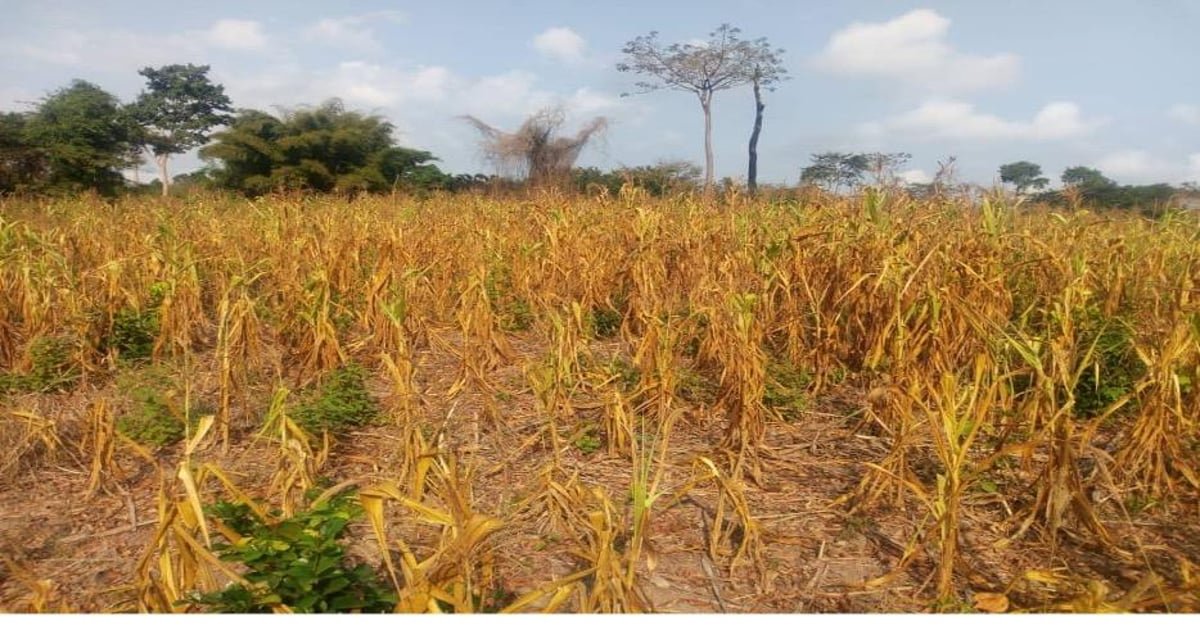
Severe Drought Hits The Northern Parts of Ghana

0
164

Northern Ghana is currently experiencing one of its most severe droughts in recent years, creating widespread concern about food security and the livelihoods of thousands of farmers. The region, which heavily relies on seasonal rainfall for crop production, has seen almost no rain for over two months, causing crops to wither and leaving farmers in despair.

The drought in Northern Ghana is attributed primarily to climate change, which has led to unpredictable weather patterns and prolonged dry spells. The region typically experiences a single rainy season from April to October, but this year, the rains have been delayed significantly, stalling crop growth and impacting the overall agricultural output.

The drought’s impact on agriculture has been devastating. Key crops such as maize, rice, groundnuts, and millet have all suffered, with many farms left barren. This has led to a sharp decline in food production, sparking fears of an impending food crisis. In some areas, like the Oti Region, educational institutions that rely on farm produce for sustenance, such as Nkwanta Senior High School, have also been affected. Their maize farms have been lost, threatening the food supply for students and staff.
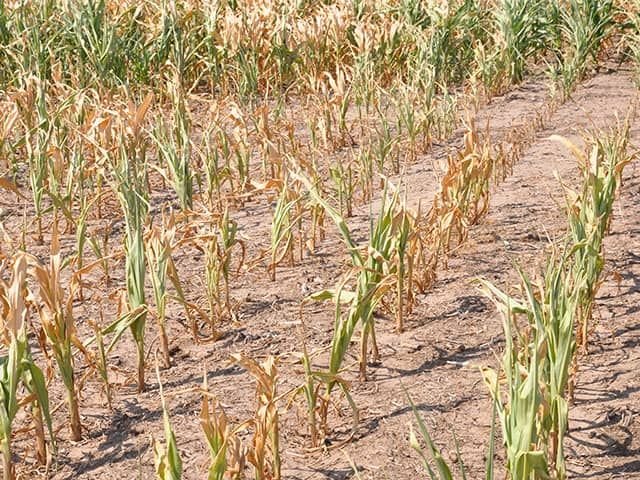
Severe drought in the northern parts of Ghana
Dried Farmlands

The economic implications are equally dire. As farmers face crop failures, their income sources dwindle, exacerbating poverty levels in these already vulnerable communities. The drought is also expected to affect the government’s “Planting for Food and Jobs” initiative, which is a key part of Ghana’s agricultural policy aimed at boosting food production and employment in the sector.

In response to this crisis, the Ghanaian government has allocated GH₵8 billion to mitigate the drought’s effects. This emergency fund, partly supported by international development partners like the World Bank, will be used to provide cash transfers, food supplies, and other essential relief to the affected farmers. The Ministry of Finance, in collaboration with the Ministry of Food and Agriculture, has formed a technical task force to oversee the fair distribution of these relief efforts, ensuring that they reach those most in need.

However, despite these efforts, there are concerns that the measures might only offer temporary relief. As the Minister of Finance acknowledged, while these interventions may help stabilize the situation, they might not completely offset the extensive damage already done to the agricultural sector.

The drought in Northern Ghana serves as a  reminder of the urgent need for sustainable agricultural practices and climate resilience strategies. As the government and other stakeholders work to address the immediate crisis, there is a growing consensus on the need to develop long-term solutions that can better withstand the challenges posed by climate change.

For now, the priority remains on providing relief to the farmers and preventing a total food crisis in the region.

Read More: 2024 WASSCE: Over 15 candidates from Osu Presby SHS nearly prevented from writing social studies paper

Author

  • Daniel Ablordey

    Daniel Ablordey is a Business Analytics student at the University of Ghana Business School and an emerging strategist at the intersection of data, markets, and narrative. With a keen analytical mind and a passion for African business and economic trends, he is building a career focused on translating complex data-driven insights into accessible, decision-relevant stories that matter.

    As a writer and editor with Insight Ghana, African Business Insight, and The African Journal, Daniel delivers sharp, high-impact analysis on current affairs, business developments, and emerging trends across the continent. His work is defined by precision, clarity, and a deep commitment to responsible journalism — ensuring that every story he tells is not only accurate but meaningful to the audiences it serves.

    Beyond his editorial work, Daniel serves as an Ecobank Youth Ambassador, where he actively promotes financial inclusion, digital banking, and financial literacy among young Ghanaians. His leadership experience spans academic, professional, and faith-based institutions, where he has consistently driven initiatives centered on growth, structure, and long-term impact.

    Grounded in the principles of Pan-Africanism and service, Daniel brings a rare combination of analytical rigour and storytelling depth to his work. Whether unpacking market behavior, profiling emerging business leaders, or covering cultural shifts shaping the continent, he approaches every assignment with strategic intent and editorial integrity.

    His broader ambition is to contribute to Africa's transformation by shaping how data, business, and storytelling intersect — not just locally, but on a global stage.

Previous article2024 WASSCE: Over 15 candidates from Osu Presby SHS nearly prevented from writing social studies paper
Next articleGhana Bans Export Of Grains: A Necessary Measure Amid Drought Concerns
Daniel Amenyo Ablordey
Daniel Ablordey is a Business Analytics student at the University of Ghana Business School and an emerging strategist at the intersection of data, markets, and narrative. With a keen analytical mind and a passion for African business and economic trends, he is building a career focused on translating complex data-driven insights into accessible, decision-relevant stories that matter.

As a writer and editor with Insight Ghana, African Business Insight, and The African Journal, Daniel delivers sharp, high-impact analysis on current affairs, business developments, and emerging trends across the continent. His work is defined by precision, clarity, and a deep commitment to responsible journalism — ensuring that every story he tells is not only accurate but meaningful to the audiences it serves.

Beyond his editorial work, Daniel serves as an Ecobank Youth Ambassador, where he actively promotes financial inclusion, digital banking, and financial literacy among young Ghanaians. His leadership experience spans academic, professional, and faith-based institutions, where he has consistently driven initiatives centered on growth, structure, and long-term impact.

Grounded in the principles of Pan-Africanism and service, Daniel brings a rare combination of analytical rigour and storytelling depth to his work. Whether unpacking market behavior, profiling emerging business leaders, or covering cultural shifts shaping the continent, he approaches every assignment with strategic intent and editorial integrity.

His broader ambition is to contribute to Africa's transformation by shaping how data, business, and storytelling intersect — not just locally, but on a global stage.