
Ghana Bans Export Of Grains: A Necessary Measure Amid Drought Concerns

0
105

In a move to secure domestic food supplies, the government of Ghana has recently imposed a temporary ban on the export of grains, including maize, rice, and soybeans. This action comes in response to severe near-drought conditions that have plagued the northern regions of the country, significantly disrupting crop production.

The northern part of Ghana, which accounts for about 62% of the nation’s grain supply, has been hit hard by erratic and insufficient rainfall over the past few months. This has led to reduced yields on approximately 1.8 million hectares of farmland, heightening fears of a nationwide food shortage. Crops such as maize, rice, groundnut, soybean, sorghum, millet, and yam have been particularly affected, raising alarms about the availability of essential staples for domestic consumption.

Recognizing the potential for a food crisis, the Ghanaian government acted swiftly to halt grain exports. The Ministry of Agriculture, in conjunction with other governmental bodies, emphasized the importance of ensuring that these vital food resources remain within the country to mitigate the effects of the poor harvest.
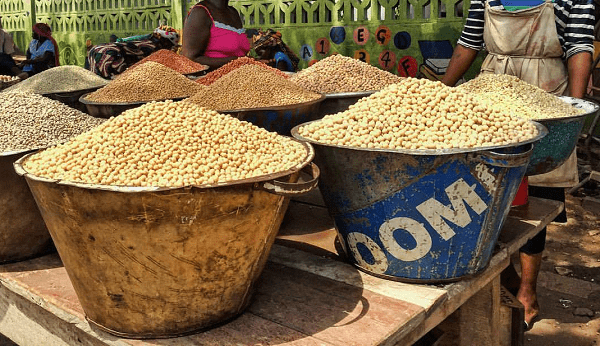
Ban on export of grains
Some Grains

By restricting exports, the government aims to stabilize domestic food prices and prevent shortages, ensuring that Ghanaians have adequate access to basic foodstuffs during this challenging period. This is particularly crucial given that the affected regions contribute significantly to the national food supply.

For farmers and exporters, the ban presents economic challenges. Farmers who rely on export markets may experience reduced income, and the broader agricultural sector could face financial strain. However, the government is reportedly seeking to address these challenges through initiatives such as accessing grain reserves from the Economic Community of West African States (ECOWAS) and fostering private sector partnerships to boost food production and distribution.

The situation in Ghana is a stark reminder of the broader climate challenges facing the African continent. With Africa warming at a faster rate than other parts of the world, the continent is increasingly vulnerable to severe weather events, such as droughts, that threaten food security. Ghana’s current predicament underscores the need for robust climate resilience measures across the region.

Also, the government of Ghana is importing substantial quantities of grains. Specifically, the Ministry of Agriculture is facilitating the import of around 250,000 metric tons of maize and 150,000 metric tons of rice to ensure food security. These imports are aimed at filling the gap created by the drought, which has significantly reduced domestic production, particularly in the northern regions.

Read More:Severe Drought Hits The Northern Parts of Ghana

Author

  • Daniel Ablordey

    Daniel Ablordey is a Business Analytics student at the University of Ghana Business School and an emerging strategist at the intersection of data, markets, and narrative. With a keen analytical mind and a passion for African business and economic trends, he is building a career focused on translating complex data-driven insights into accessible, decision-relevant stories that matter.

    As a writer and editor with Insight Ghana, African Business Insight, and The African Journal, Daniel delivers sharp, high-impact analysis on current affairs, business developments, and emerging trends across the continent. His work is defined by precision, clarity, and a deep commitment to responsible journalism — ensuring that every story he tells is not only accurate but meaningful to the audiences it serves.

    Beyond his editorial work, Daniel serves as an Ecobank Youth Ambassador, where he actively promotes financial inclusion, digital banking, and financial literacy among young Ghanaians. His leadership experience spans academic, professional, and faith-based institutions, where he has consistently driven initiatives centered on growth, structure, and long-term impact.

    Grounded in the principles of Pan-Africanism and service, Daniel brings a rare combination of analytical rigour and storytelling depth to his work. Whether unpacking market behavior, profiling emerging business leaders, or covering cultural shifts shaping the continent, he approaches every assignment with strategic intent and editorial integrity.

    His broader ambition is to contribute to Africa’s transformation by shaping how data, business, and storytelling intersect — not just locally, but on a global stage.

Previous articleSevere Drought Hits The Northern Parts of Ghana
Next article‘Galamsey’ Saga: Asantehene Osei Tutu II Destools 3 Chiefs Over Involvement In Illegal Mining
Daniel Amenyo Ablordey
Daniel Ablordey is a Business Analytics student at the University of Ghana Business School and an emerging strategist at the intersection of data, markets, and narrative. With a keen analytical mind and a passion for African business and economic trends, he is building a career focused on translating complex data-driven insights into accessible, decision-relevant stories that matter. As a writer and editor with Insight Ghana, African Business Insight, and The African Journal, Daniel delivers sharp, high-impact analysis on current affairs, business developments, and emerging trends across the continent. His work is defined by precision, clarity, and a deep commitment to responsible journalism — ensuring that every story he tells is not only accurate but meaningful to the audiences it serves. Beyond his editorial work, Daniel serves as an Ecobank Youth Ambassador, where he actively promotes financial inclusion, digital banking, and financial literacy among young Ghanaians. His leadership experience spans academic, professional, and faith-based institutions, where he has consistently driven initiatives centered on growth, structure, and long-term impact. Grounded in the principles of Pan-Africanism and service, Daniel brings a rare combination of analytical rigour and storytelling depth to his work. Whether unpacking market behavior, profiling emerging business leaders, or covering cultural shifts shaping the continent, he approaches every assignment with strategic intent and editorial integrity. His broader ambition is to contribute to Africa’s transformation by shaping how data, business, and storytelling intersect — not just locally, but on a global stage.