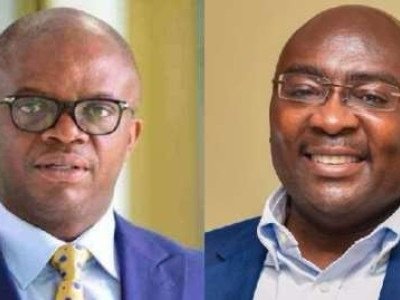
Cedi depreciation a ritual problem; Bawumia will fix it – Minister

0
198

Deputy Minister for Finance, Dr. Stephen Amoah, has attributed the depreciation of the Ghanaian cedi to the country’s import-driven economy, describing it as a persistent issue that requires national attention beyond the capabilities of any single government.

In a media briefing on Wednesday, Dr. Amoah emphasized that the high demand for dollars driven by importation exacerbates the cedi’s depreciation. He assured that Vice President Dr. Bawumia, if elected, will establish a long-term strategy to address this chronic issue.
Cedi

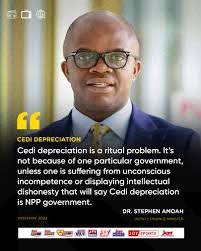
“Cedi depreciation is a ritual problem, I agree with you. It’s not because of one particular government…It’s an issue that has nationalistic or that needs nationalistic attention,” Dr. Amoah stated.

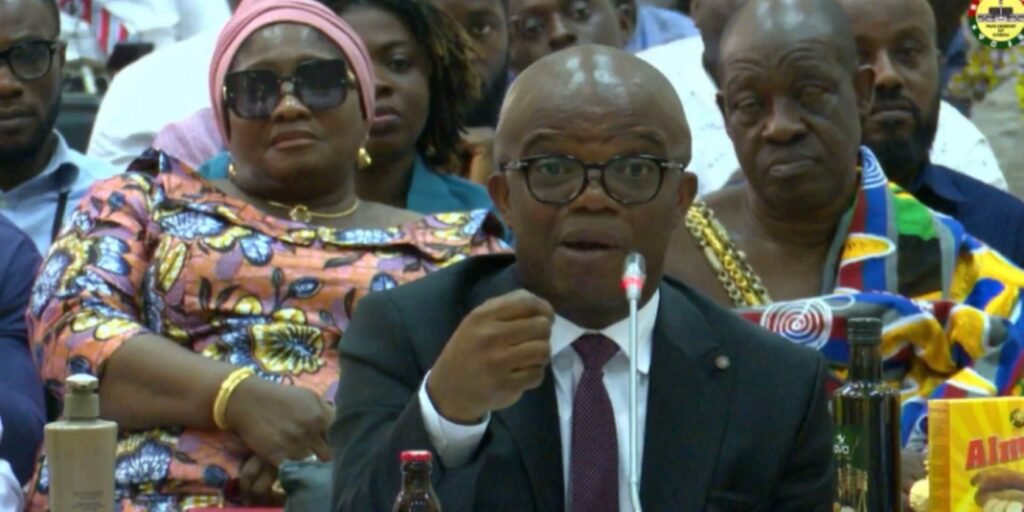
The Deputy Finance Minister stressed, “So far as we keep on being an importer-driven economy, we’ll be having problems with the cedi because we import almost everything. But Inshallah, Alhaji Dr. Mahamudu Bawumia, next year if he comes, we’re going to design a long-term framework to deal with the cedi.”
Cedi

Recently, the Ghana cedi has further weakened against the US dollar and other major currencies. While many attribute this to importation, Joe Jackson, Director of Operations at Dalex Finance, disagrees. He argues that Ghana’s exports have exceeded imports in recent years, but the depreciation persists because the ownership of these exports lies with foreigners who repatriate earnings without reinvesting in the country.

Speaking on JoyNews’ PM Express, Jackson elaborated, “The depreciation of the Ghanaian cedi can only be reined in when the country owns its exports. Despite Ghana’s exports outweighing imports, the cedi continues to suffer because foreigners take resources out but do not bring in any of the money.”

Citing statistics from other countries, Jackson highlighted the disparity in the return of export earnings to Ghana compared to countries like Botswana and Nigeria. “Botswana, when they export oil, 51.8% comes back into the country. In Nigeria, when they export oil, 51% of the money comes back to the country. Check out Ghana. For our non-oil exports, it’s as low as 6.5%. This is the problem,” he noted.

Jackson emphasized the need for Ghana to retain more export earnings within the country to stabilize the currency.

In response to these concerns, Finance Minister Dr. Mohammed Amin Adam, on May 24, assured that the Ministry of Finance is collaborating with the Bank of Ghana to implement measures aimed at addressing the cedi’s depreciation. These measures include accelerating the fiscal consolidation process by rationalizing spending and enhancing revenue mobilization, intensifying the gold-for-oil program, and executing appropriate foreign exchange interventions by the Bank of Ghana.

Furthermore, on May 27, the Bank of Ghana (BoG) established a task force to oversee all foreign exchange bureaus and ensure compliance with regulatory standards. The primary goal of this task force is to combat illegal operators within the foreign exchange market and enhance market transparency.

Author

  • Cedi

    Abraham Kofi Amudzegbe is a Level 300 Nursing student at the University
    of Ghana, Legon, an author, student leader, and youth advocate with a
    strong passion for public service, leadership, and student empowerment.
    Through his writing, he explores topics related to education, youth
    development, leadership, health, and social impact, contributing
    meaningful perspectives on issues that affect students and young people.

    As an author at Insight Ghana, Abraham leverages his strong communication
    and research skills to produce informative and thought-provoking content.
    His work reflects a commitment to advocacy, public engagement, and
    fostering conversations that inspire positive change within society.

    Abraham currently serves in several leadership capacities, including
    Vice President of the Volta Region Students Association (VORSA Legon),
    Public Relations Officer (PRO) of the University of Ghana Nursing and
    Midwifery Students Association (UGHANMSA), Deputy Head of the Business
    and Political Chamber of PENSA Legon, Public Relations Officer (PRO) of
    the Oti Region Students Association (ORSA), and a Member of the
    University of Ghana Parliament House.

    Over the years, he has led and supported numerous student-centered
    initiatives, including academic tutorials, mentorship programmes,
    welfare interventions, and advocacy campaigns aimed at improving the
    student experience and promoting collective growth.

    As an aspiring President of the University of Ghana Students'
    Representative Council (UGSRC) for the 2026/2027 academic year,
    Abraham seeks to champion a vision centered on student welfare,
    accountability, inclusiveness, innovation, and effective representation.

Previous articleWhy Manchester United Could Face a Ban from the Europa League
Next articleFLINDERS UNIVERSITY INTERNATIONAL POSTGRADUATE RESEARCH SCHOLARSHIP (FIPRS) 2024
Abraham kofi Amudzegbe

Abraham Kofi Amudzegbe is a Level 300 Nursing student at the University of Ghana, Legon, an author, student leader, and youth advocate with a strong passion for public service, leadership, and student empowerment. Through his writing, he explores topics related to education, youth development, leadership, health, and social impact, contributing meaningful perspectives on issues that affect students and young people.

As an author at Insight Ghana, Abraham leverages his strong communication and research skills to produce informative and thought-provoking content. His work reflects a commitment to advocacy, public engagement, and fostering conversations that inspire positive change within society.

Abraham currently serves in several leadership capacities, including Vice President of the Volta Region Students Association (VORSA Legon), Public Relations Officer (PRO) of the University of Ghana Nursing and Midwifery Students Association (UGHANMSA), Deputy Head of the Business and Political Chamber of PENSA Legon, Public Relations Officer (PRO) of the Oti Region Students Association (ORSA), and a Member of the University of Ghana Parliament House.

Over the years, he has led and supported numerous student-centered initiatives, including academic tutorials, mentorship programmes, welfare interventions, and advocacy campaigns aimed at improving the student experience and promoting collective growth.

As an aspiring President of the University of Ghana Students' Representative Council (UGSRC) for the 2026/2027 academic year, Abraham seeks to champion a vision centered on student welfare, accountability, inclusiveness, innovation, and effective representation.