
Financial Efficiency.
Financial efficiency is a critical aspect of any business, encompassing the ability to optimize resources, maximize profits, and ensure sustainable growth. It revolves around making the most out of available financial resources to achieve organizational objectives. In this article, we will delve into the meaning of financial efficiency also known as Economic Effectiveness and explore strategies to enhance it in various business setups.
Understanding Financial Efficiency:

This is a measure of how well a business utilizes its resources to generate profits and achieve its goals. It involves effective management of financial resources, including capital, assets, and investments, to ensure that each component contributes positively to the overall performance of the company. Essentially, it’s about achieving more with less, increasing productivity and profitability without unnecessary waste.

Key Components of Financial Efficiency:
1. Profitability Ratios:
Profitability ratios, such as net profit margin and return on investment, are crucial indicators of this efficiency. A high net profit margin implies that the company is generating more profit from its revenue, while a favorable return on investment indicates efficient use of capital.
2. Operating Cash Flow:
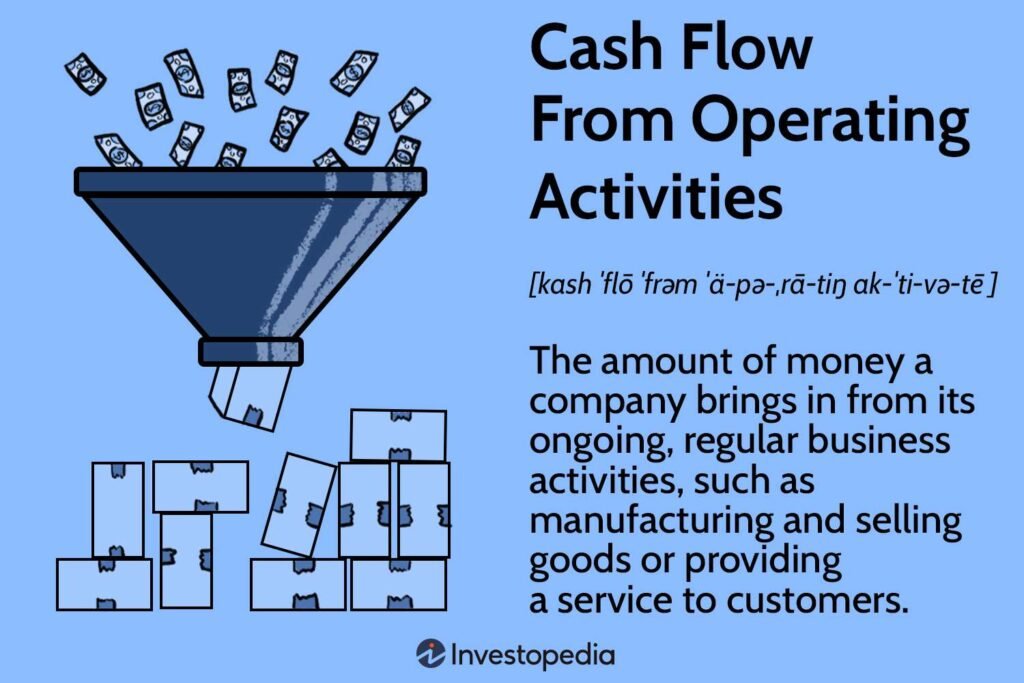
The ability to generate positive operating cash flow is a clear sign of financial efficiency. It reflects the company’s capacity to cover day-to-day expenses, invest in growth, and provide returns to shareholders.
3. Asset Management:
Efficient use of assets is paramount. The turnover of assets, measured through ratios like asset turnover, portrays how well a company utilizes its assets to generate revenue. Striking the right balance between asset utilization and return is key to economic effectiveness.
Strategies to Improve Financial Efficiency:
1. Budgeting and Forecasting:
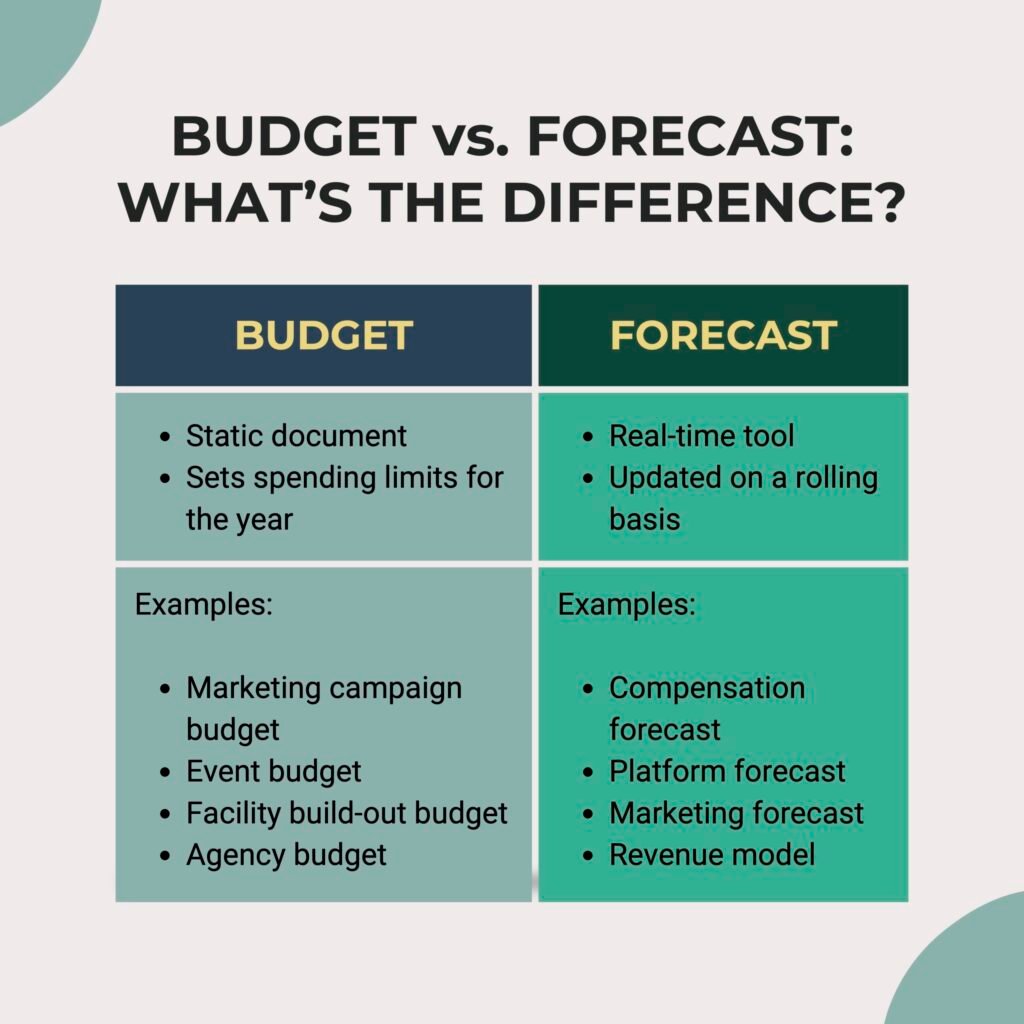
Creating a detailed budget and regularly updating financial forecasts provide a roadmap for resource allocation. By understanding expected income and expenses, businesses can make informed decisions and identify areas for improvement.
2. Cost Control:
Analyzing and controlling costs is fundamental to economic effectiveness. This involves identifying unnecessary expenses, negotiating better deals with suppliers, and optimizing operational processes to reduce overheads without compromising quality.
3. Investment in Technology:
Embracing technology can significantly enhance economic effectiveness. Implementing advanced accounting software, automated processes, and data analytics tools can streamline operations, reduce errors, and provide valuable insights for better decision-making.

4. Working Capital Management:
Efficient management of working capital, including inventory, accounts receivable, and accounts payable, is crucial. Minimizing the cash conversion cycle ensures that capital is not unnecessarily tied up, allowing for better liquidity and financial flexibility.
5. Debt Management:
While debt can be a useful tool for business growth, managing it effectively is vital. Striking a balance between debt and equity, refinancing at lower interest rates, and avoiding unnecessary debt can contribute to economic effectiveness.

6. Employee Training and Engagement:
Well-trained and engaged employees are more likely to contribute to the overall efficiency of the business. Training programs that enhance skills and promote a culture of accountability can lead to improved productivity and, consequently, financial efficiency.
7. Customer Relationship Management (CRM):
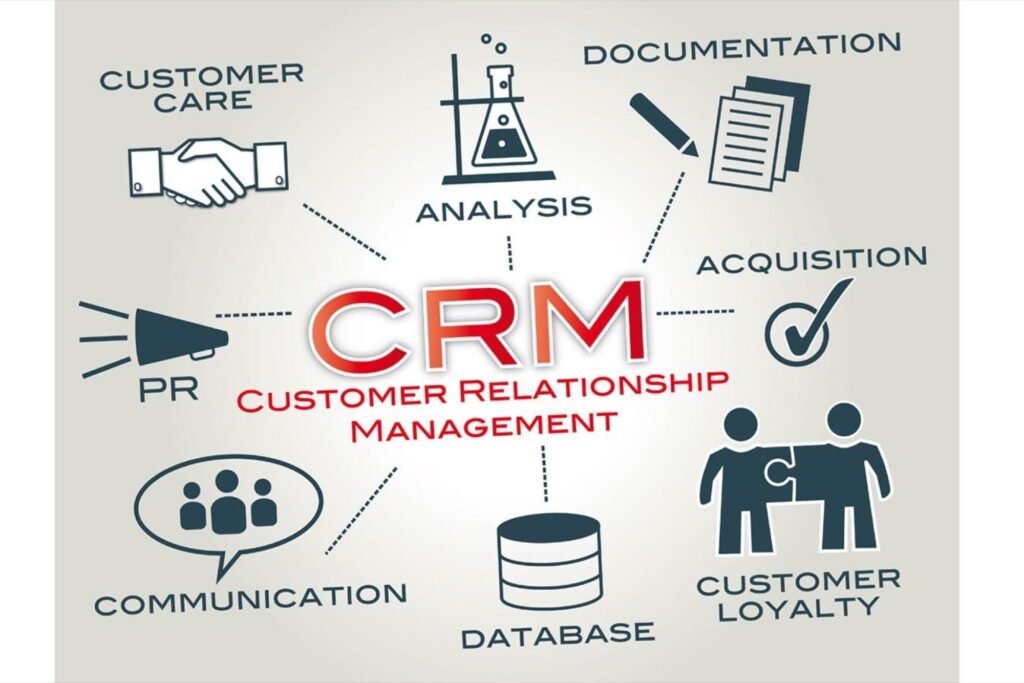
A robust CRM system helps in understanding customer needs, preferences, and behaviors. By tailoring products and services to meet customer demands, businesses can increase sales and loyalty, positively impacting financial efficiency.
8. Diversification and Innovation:
Diversifying product or service offerings and fostering innovation can open new revenue streams. Staying ahead of industry trends and adapting to changing market conditions is essential for sustained financial efficiency.
Case Study: Streamlining Operations for Financial Efficiency.
Let’s consider a manufacturing company looking to improve its financial efficiency. Through a comprehensive analysis, the following strategies are identified and implemented:
Process Optimization:
The company invests in lean manufacturing principles, identifying and eliminating bottlenecks in production, reducing waste, and improving overall efficiency.
-Supply Chain Management:
Negotiating favorable terms with suppliers and implementing just-in-time inventory management minimizes holding costs and ensures a steady production flow.

– Energy Efficiency:
Implementing energy-efficient technologies and practices not only reduces operational costs but also aligns the company with environmental sustainability, potentially attracting eco-conscious consumers.
– Employee Training:
Conducting training programs to enhance the skills of the workforce, fostering a culture of continuous improvement, and instilling a sense of responsibility among employees contribute to increased productivity.

– Technology Integration:
Adopting advanced manufacturing technologies, such as automation and data analytics, streamlines operations, reduces errors, and improves overall efficiency.
Financial efficiency is the backbone of a successful and sustainable business. By understanding its components and implementing strategic measures, businesses can navigate economic challenges, capitalize on opportunities, and create a solid foundation for growth. Regular monitoring, adaptability to market changes, and a commitment to continuous improvement are key elements in maintaining and enhancing financial efficiency in any business setup.