Namibia Enforces New Visa Requirements for U.S. and 30 Other Countries in Landmark Reciprocity Move

    0
    352

    Namibia Makes Historic Shift in Visa Policy

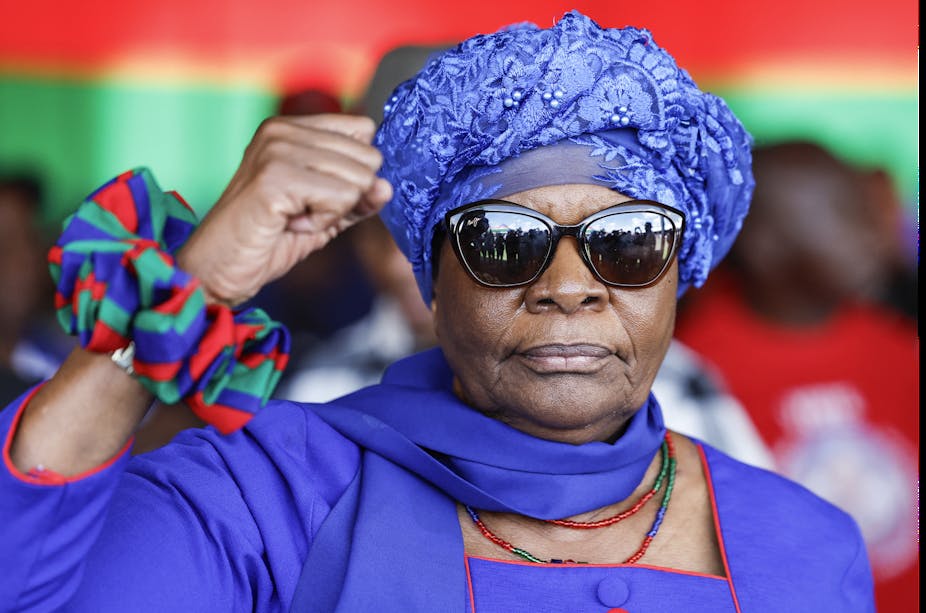
    In a bold move to promote equitable international travel policies, Namibia’s first female President, Dr. Netumbo Nandi-Ndaitwah, has announced the implementation of reciprocal visa requirements for citizens of 31 countries, including the United States, United Kingdom, Canada, Germany, and France.

    Beginning April 1, 2025, travelers from these countries will be required to obtain a visa before entering Namibia, either through an online application or on arrival at designated entry points.

    What the New Visa Policy Means for Travelers

    Under the new regulation:

    Travelers from the listed countries will need to secure a visa at a cost of N$1,600 (approx. $90 USD).

    Visas can be obtained online or at points of entry such as Hosea Kutako International Airport in Windhoek and Walvis Bay Airport.

    Applicants must present a valid passport, return ticket, proof of accommodation, and evidence of sufficient funds for their stay.


    The policy aims to match the visa requirements that Namibian citizens face when traveling to those same countries.


    Not About Tourism Deterrence, But Diplomatic Fairness

    Visa Needed To Enter Namibia
    Visa Needed to enter Namibia

    The Namibian government has clarified that the move is not intended to discourage tourism or business travel. Instead, it is meant to encourage fair treatment for Namibians who face visa restrictions abroad.

    Visa reciprocity is not about retaliation, but about equal respect and mutual diplomacy,” a spokesperson from the Ministry of Home Affairs and Immigration explained.

    This development aligns with similar global trends where countries are reassessing travel agreements to better reflect mutual benefits and respect for sovereignty.

    No Mass Deportation of Americans—What’s the Truth?

    Contrary to misleading headlines circulating online, there is no official confirmation that Namibia is deporting over 500 American citizens. The new policy applies only to incoming travelers from April 1, 2025, and does not target individuals already legally residing in Namibia.

    Officials have urged the public to verify news with credible sources and avoid sharing unverified information that may cause panic or strain international relations.


    What This Means for U.S. and Other Travelers

    The introduction of visa fees and documentation requirements means that citizens from the 31 affected countries must now plan their trips more carefully. The convenience of visa-free entry is no longer guaranteed, but Namibia has made the process accessible via online portals and airport services.

    Travel and tourism professionals are optimistic that the visa changes will not significantly impact Namibia’s appeal as a destination, especially given its unique landscapes, wildlife, and stable political climate.

    Conclusion: A Landmark for Reciprocity and Diplomacy

    Namibia’s new visa directive represents a significant shift in how the country engages with global partners. By advocating for reciprocal travel policies, President Nandi-Ndaitwah is asserting Namibia’s right to equal treatment in international affairs while maintaining an open and welcoming stance toward tourism and foreign investment.

    As global visa politics evolve, Namibia’s stand could inspire similar moves across the continent—marking a new chapter in Africa’s diplomatic assertiveness.

    Also Read: Cost of Health Training College Forms Reduced from GH¢200 to GH¢150 for 2025/2026 Academic Year – Health Minister

    Author

    • Daniel Ablordey

      Daniel Ablordey is a Business Analytics student at the University of Ghana Business School and an emerging strategist at the intersection of data, markets, and narrative. With a keen analytical mind and a passion for African business and economic trends, he is building a career focused on translating complex data-driven insights into accessible, decision-relevant stories that matter.

      As a writer and editor with Insight Ghana, African Business Insight, and The African Journal, Daniel delivers sharp, high-impact analysis on current affairs, business developments, and emerging trends across the continent. His work is defined by precision, clarity, and a deep commitment to responsible journalism — ensuring that every story he tells is not only accurate but meaningful to the audiences it serves.

      Beyond his editorial work, Daniel serves as an Ecobank Youth Ambassador, where he actively promotes financial inclusion, digital banking, and financial literacy among young Ghanaians. His leadership experience spans academic, professional, and faith-based institutions, where he has consistently driven initiatives centered on growth, structure, and long-term impact.

      Grounded in the principles of Pan-Africanism and service, Daniel brings a rare combination of analytical rigour and storytelling depth to his work. Whether unpacking market behavior, profiling emerging business leaders, or covering cultural shifts shaping the continent, he approaches every assignment with strategic intent and editorial integrity.

      His broader ambition is to contribute to Africa's transformation by shaping how data, business, and storytelling intersect — not just locally, but on a global stage.

    Previous articleCost of Health Training College Forms Reduced from GH¢200 to GH¢150 for 2025/2026 Academic Year – Health Minister
    Next article2 Suspects Arrested in Failed Robbery Attempt Near Asankragua After Muddy Pit Escape Stunt
    Daniel Amenyo Ablordey
    Daniel Ablordey is a Business Analytics student at the University of Ghana Business School and an emerging strategist at the intersection of data, markets, and narrative. With a keen analytical mind and a passion for African business and economic trends, he is building a career focused on translating complex data-driven insights into accessible, decision-relevant stories that matter.

    As a writer and editor with Insight Ghana, African Business Insight, and The African Journal, Daniel delivers sharp, high-impact analysis on current affairs, business developments, and emerging trends across the continent. His work is defined by precision, clarity, and a deep commitment to responsible journalism — ensuring that every story he tells is not only accurate but meaningful to the audiences it serves.

    Beyond his editorial work, Daniel serves as an Ecobank Youth Ambassador, where he actively promotes financial inclusion, digital banking, and financial literacy among young Ghanaians. His leadership experience spans academic, professional, and faith-based institutions, where he has consistently driven initiatives centered on growth, structure, and long-term impact.

    Grounded in the principles of Pan-Africanism and service, Daniel brings a rare combination of analytical rigour and storytelling depth to his work. Whether unpacking market behavior, profiling emerging business leaders, or covering cultural shifts shaping the continent, he approaches every assignment with strategic intent and editorial integrity.

    His broader ambition is to contribute to Africa's transformation by shaping how data, business, and storytelling intersect — not just locally, but on a global stage.