

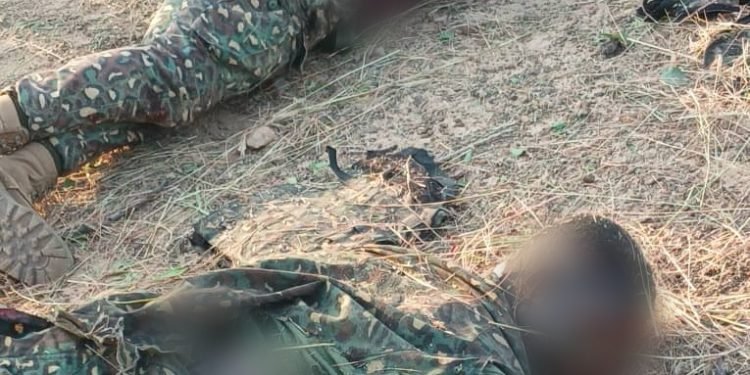
A Ghana Immigration Service officer has been killed and another left critically injured following an explosion involving a motor tricycle reportedly carrying suspected dynamite at Hamile in the Upper West Region. Editorial Ethics & Independence
The incident occurred on Tuesday, November 3, 2026, along an unauthorised route near Ghana’s border with Burkina Faso.
Preliminary accounts indicate that the explosion happened during an attempt by security personnel to intercept the motor tricycle, raising fresh concerns about the movement of potentially dangerous materials through unapproved border routes.
According to information gathered from security sources in Hamile, the motor tricycle was carrying suspected explosive materials when its occupants allegedly failed to stop at a security checkpoint.
The civilians reportedly attempted to evade security personnel, leading to a pursuit that ended in the explosion.
The blast caught the pursuing officers, killing one Immigration Service personnel and leaving another in critical condition.
The civilians travelling on the motor tricycle were also reportedly killed in the explosion.
The injured officer was reported to be in a serious condition after the incident.
However, details about the extent of the injuries, the medical facility where the officer is receiving treatment and the identity of the deceased personnel had not been officially established in the initial reports.
The circumstances surrounding the explosion are also yet to be fully clarified.
Although preliminary accounts suggest that the tricycle was transporting suspected dynamite, further investigation will be required to establish the precise nature of the materials, their intended destination and how they came to be transported through the area.

Hamile is a border community in the Upper West Region, situated along Ghana’s frontier with Burkina Faso.
Its location makes it an important point for immigration and security operations aimed at monitoring cross-border movements and preventing unauthorised activities.
Security agencies operating in border communities face the challenge of monitoring both approved crossing points and informal routes that may be used to move people and goods outside established procedures.
Such routes can make it difficult to identify suspicious movements, intercept prohibited materials and respond quickly to potential threats.
The latest incident has brought renewed attention to the risks associated with transporting explosive materials without proper authorisation and safety controls.
Dynamite and other explosives can cause devastating damage when improperly handled, particularly in areas where security personnel and civilians may be exposed to unexpected blasts.
Beyond the loss of life, the incident raises important questions about how suspected explosives are obtained, transported and moved across border communities.
Authorities may need to establish where the materials originated, who was responsible for moving them and whether other individuals or networks were involved.
The answers could help security agencies identify possible gaps in border monitoring and strengthen measures to prevent similar incidents.
They may also provide information about whether the suspected explosives were intended for mining, another commercial activity or an entirely different purpose. Editorial Standards

At this stage, however, no motive or intended use has been officially confirmed.
The Ghana Immigration Service plays a central role in managing the country’s borders, enforcing immigration laws and supporting national security operations.
Its officers often work in challenging environments, particularly in remote communities where monitoring unauthorised movements can require sustained patrols and coordination with other security agencies.
The death of an officer in the line of duty is therefore a serious loss for the Service and the wider security community.
The critical condition of the second officer also highlights the dangers personnel may face when responding to suspected security threats.
The incident is likely to increase calls for stronger coordination among security agencies operating along Ghana’s northern borders.
Effective border management requires not only personnel and patrols but also reliable intelligence, appropriate equipment, clear operational procedures and cooperation with communities living close to the frontier. Corrections Policy
Residents can also play a role by reporting suspicious movements and activities through appropriate security channels.
However, public cooperation must be supported by clear reporting systems that protect informants and allow authorities to respond promptly.

For now, several important details remain outstanding, including the identities of the victims, the exact quantity and type of explosive materials involved and the official findings from any investigation.
The initial accounts should therefore be treated as preliminary until the relevant authorities provide further confirmation.
The explosion at Hamile underscores the potential consequences of unauthorised transportation of dangerous materials in border areas.
It also highlights the risks faced by officers tasked with protecting Ghana’s territorial borders and preventing illegal cross-border activities.
As further information emerges, attention will remain on the condition of the injured officer, the circumstances that led to the explosion and the measures security agencies may introduce to prevent another tragedy.
The priority will be to establish the facts, support those affected and ensure that any individuals found responsible are dealt with in accordance with the law.