

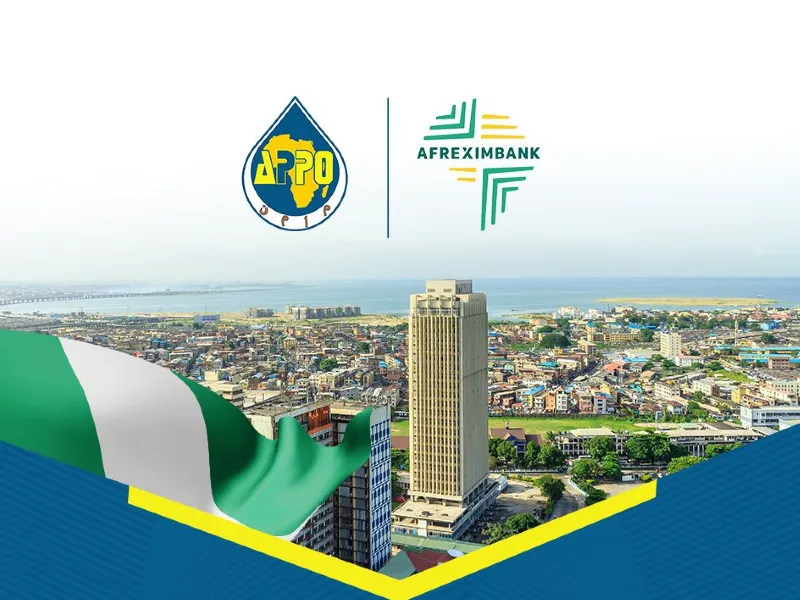
Ghana is among the first African countries to make its capital contribution towards the establishment of the US$5 billion Africa Energy Bank, a new pan-African financial institution expected to provide funding for oil, gas and other energy-related projects across the continent. Corrections Policy
The bank was formally established by the African Export-Import Bank (Afreximbank) and the African Petroleum Producers’ Organisation (APPO) during its inaugural general meeting in Abuja, Nigeria, on October 31, 2026.
According to reports, Ghana made its contribution alongside Nigeria and Angola, becoming one of the first three APPO member countries to fulfil the initial financial requirements for the institution.
APPO Secretary-General Omar Farouk Ibrahim previously disclosed that the contributions from the three countries represented 44 per cent of the minimum participation required from APPO members to facilitate the bank’s establishment.

However, the specific amount Ghana contributed has not been publicly disclosed.
The formal establishment of the institution represents an important development in Africa’s efforts to mobilise financing for its energy industry at a time when traditional international lenders are becoming increasingly cautious about funding fossil-fuel projects.
Afreximbank and APPO Formalise the New Institution
The Africa Energy Bank is a joint initiative of Afreximbank and APPO, established to address the continent’s financing challenges and strengthen African ownership of its energy resources.
At the inaugural general meeting in Abuja, the institution appointed Egyptian banker Helmy Ghazi as its first president and constituted its first board of directors. Editorial Ethics & Independence
The board brings together representatives from the public and private sectors, as well as policy institutions across the continent.
According to Afreximbank, the bank will operate as an independent, supranational pan-African financial institution. It is expected to attract investment from African governments, national oil companies, financial institutions and private investors.

Its authorised capital stands at US$5 billion, providing the financial foundation for its operations and future capital mobilisation.
The establishment announcement was made jointly by Afreximbank and APPO on October 31, 2026, following the inaugural meeting in Nigeria’s capital.
Ghana, Nigeria and Angola Among Early Contributors
Ghana’s early participation places it among the countries that helped advance the bank’s establishment process.
Nigeria and Angola also made contributions, with the three countries collectively meeting a significant portion of the minimum capital requirements expected from APPO members.
Although the exact amount paid by Ghana remains undisclosed, its participation demonstrates the country’s involvement in the regional initiative to develop alternative financing channels for Africa’s energy industry. Editorial Standards
Citi Newsroom previously reported in July 2024 that Nigeria had been selected to host the proposed Africa Energy Bank after competing with countries including Ghana, South Africa, Benin, Algeria and Côte d’Ivoire.
Nigeria was selected following an assessment by APPO and Afreximbank, which evaluated the country’s readiness to host the institution.
The Abuja headquarters is expected to serve as the centre of the bank’s operations and coordination with participating countries and investors.
Bank Targets Africa’s US$200bn Energy Investment Needs
The establishment of the Africa Energy Bank comes against the background of significant financing requirements across the continent’s energy sector.

Afreximbank estimates that Africa requires approximately US$200 billion in energy investment to develop its resources, expand infrastructure and improve access to reliable energy.
The bank intends to finance projects across the entire energy value chain, including oil and gas exploration, production, transportation, processing, refining and distribution.
Its activities are also expected to support the development of infrastructure that can reduce Africa’s dependence on imported petroleum products and strengthen trade in energy commodities between African countries.
For oil-producing nations such as Ghana, access to long-term financing could support investment in existing petroleum fields, new discoveries, gas infrastructure and local refining capacity.
The institution also seeks to encourage greater African participation in the ownership, financing and development of the continent’s natural resources.
Why the Africa Energy Bank Matters
The bank is being established at a time when several international financial institutions and commercial lenders have reduced or tightened their financing for fossil-fuel projects.
This has created difficulties for African oil and gas producers seeking long-term funding to develop resources that remain important to their economies and energy systems. Newscard
Afreximbank and APPO believe the new institution can help address this financing gap by mobilising African capital and attracting investors willing to support projects across the continent.
However, the bank’s mandate is not limited to upstream petroleum activities.
Its stated investment coverage includes transportation, processing, refining and distribution, which could help strengthen domestic energy supply chains and encourage regional cooperation.
The institution’s success will depend on its ability to mobilise sufficient capital, assess projects carefully and ensure that financing supports commercially viable developments with meaningful economic benefits.
Ghana’s Participation and Future Opportunities
Ghana’s involvement in the Africa Energy Bank could create opportunities for the country to explore additional sources of financing for its petroleum and broader energy infrastructure.
The country’s oil and gas industry requires sustained investment to maintain production, develop new discoveries, expand gas infrastructure and support local processing.
Access to an African-led financing institution could complement existing relationships with international lenders and development finance institutions. Privacy Policy & Terms
Nevertheless, Ghana’s early capital contribution does not automatically guarantee that local projects will receive funding. Proposed developments will still need to satisfy the bank’s investment, financial and operational requirements.
The formation of the Africa Energy Bank is an important step towards establishing a financing institution designed around Africa’s energy priorities.
With its leadership appointed and its initial institutional structure in place, attention will now turn to operational preparations, capital mobilisation and the selection of projects to receive support.
For Ghana and other participating countries, the real measure of success will be whether the institution can convert its financial ambitions into sustainable investments, stronger energy infrastructure and broader economic opportunities across Africa.