

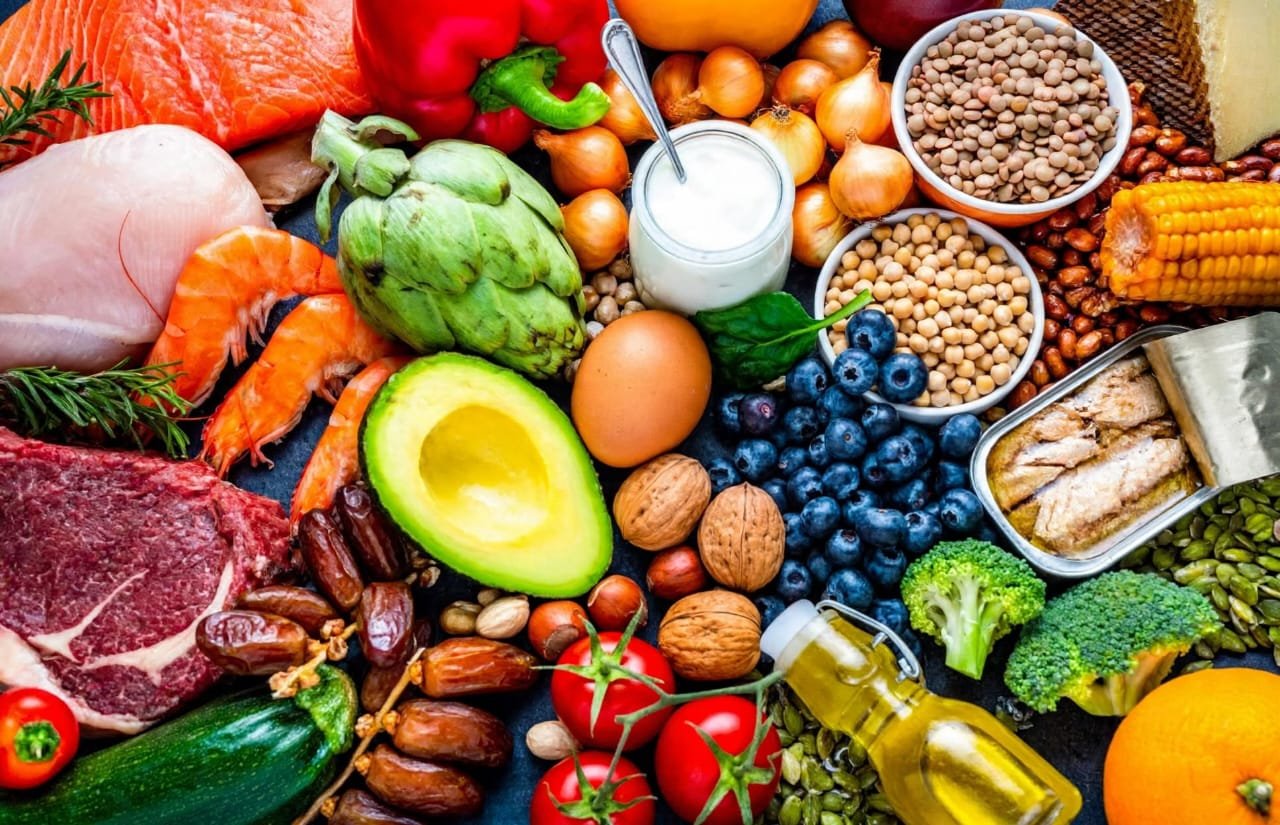
Ageing is an inevitable part of life, but certain dietary and lifestyle choices can influence how the skin changes over time. While no food can completely prevent wrinkles or stop the ageing process, a nutritious diet rich in vitamins, healthy fats and antioxidants may help maintain healthy skin and reduce the risk of premature ageing.
As the body grows older, the skin gradually loses some of its thickness, firmness and elasticity. Factors such as prolonged exposure to sunlight, smoking and environmental pollution can accelerate these changes, leading to wrinkles, uneven skin tone and other visible signs of ageing.

The American Academy of Dermatology recommends a balanced diet that includes plenty of fruits and vegetables as part of a healthy lifestyle that may help protect against premature skin ageing.
Here are five foods that can provide essential nutrients to support healthy skin and overall wellbeing as you grow older.
- Oranges and Other Vitamin C-Rich Fruits

Fruits such as oranges, guavas and pawpaw are excellent sources of vitamin C, an essential nutrient that helps maintain healthy skin.
Vitamin C plays a crucial role in the production of collagen, a protein that provides structure and support to the skin. As people age, collagen production gradually declines, contributing to reduced skin firmness and the development of wrinkles.
Consuming enough vitamin C can support normal collagen formation while helping protect cells against oxidative damage caused by free radicals.
Adding these fruits to your daily diet is a simple way to obtain this important nutrient. Oranges can serve as a healthy snack, pawpaw can be included in breakfast, while guavas can provide a refreshing addition to your regular fruit intake.
- Tomatoes

Tomatoes are rich in lycopene, a natural antioxidant responsible for their characteristic red colour.
Antioxidants help protect the body’s cells from oxidative stress, a process associated with ageing and cellular damage. Research suggests that lycopene may also offer some protection against skin damage caused by ultraviolet radiation from the sun.
Tomatoes can be enjoyed in salads or incorporated into soups, stews and sauces. Cooking them with a small amount of oil may improve the body’s ability to absorb lycopene.
However, although tomatoes provide beneficial nutrients, they should not be considered a substitute for sunscreen or other sun-protection measures.
- Avocados

Avocados provide healthy monounsaturated fats, vitamin E and other nutrients that contribute to normal skin function.
The healthy fats in avocados help support the skin’s protective barrier, which plays an important role in retaining moisture and preventing excessive dryness. Vitamin E, meanwhile, acts as an antioxidant that helps protect cells against oxidative damage.
Including avocados in a balanced diet can help supply nutrients that support skin health while contributing to overall wellbeing.
They can be eaten with whole-grain bread, added to salads or served alongside other meals. Because avocados are relatively high in calories, eating moderate portions can help maintain a balanced diet.
- Nuts and Seeds

Nuts and seeds, including almonds, walnuts, groundnuts and sunflower seeds, contain healthy fats, vitamin E and several other essential nutrients.
Vitamin E helps protect cells from oxidative damage, while the healthy fats found in many nuts and seeds contribute to normal cell function and overall health.
Some varieties also contain omega-3 fatty acids or plant-based compounds that the body can use to produce them. These nutrients form part of a balanced diet that supports healthy skin and other bodily functions.
Nuts and seeds can easily be incorporated into everyday meals. A small handful makes a convenient snack, while seeds can be sprinkled over porridge or added to other dishes.
Choosing unsalted varieties and keeping portions moderate can help make them part of a healthy eating routine.
- Oily Fish

Oily fish, including sardines, salmon and mackerel, provide omega-3 fatty acids and high-quality protein, both of which contribute to overall health.
Omega-3 fatty acids play important roles in normal cell function and the body’s regulation of inflammation. Fish also supplies protein, which provides the amino acids required for maintaining and repairing body tissues.
Eating fish regularly as part of a balanced diet can help support general health as the body ages. However, there is no single fish or nutrient that can completely prevent wrinkles or stop the natural ageing process.
To make fish part of a healthier diet, consider grilling, baking or steaming it rather than relying exclusively on deep-frying.

Other Lifestyle Habits That Help Maintain Healthy Skin
Although nutrition is important, maintaining healthy-looking skin also depends on other daily habits.
Protect your skin from the sun: Regular exposure to ultraviolet radiation can accelerate skin ageing. Use broad-spectrum sunscreen with an SPF of 30 or higher, wear protective clothing and seek shade when necessary.
Avoid smoking: Smoking contributes to premature wrinkles and other visible changes by damaging the skin’s structure and affecting its normal function.
Limit alcohol consumption: Excessive alcohol intake can contribute to dehydration and other health problems that affect overall wellbeing.
Maintain a balanced diet: Eat a variety of fruits, vegetables, whole grains, protein-rich foods and healthy fats to provide the nutrients your body needs.

Get adequate sleep: Sufficient sleep supports general health and the body’s normal repair processes, helping you maintain a healthy lifestyle as you age.
Take Home Note
Oranges and other vitamin C-rich fruits, tomatoes, avocados, nuts and seeds, and oily fish are nutritious foods that can help support healthy skin as the body ages.
Their vitamins, healthy fats, antioxidants and other nutrients contribute to normal skin function and overall wellbeing. Including them in a balanced diet may also help reduce the impact of certain factors associated with premature skin ageing.

Nevertheless, no food can stop the ageing process or guarantee wrinkle-free skin. Combining healthy eating with regular sun protection, avoiding smoking, getting enough sleep and maintaining other healthy habits remains an important approach to keeping your skin healthy as you grow older.
By: Prince Martey-Sogar.