

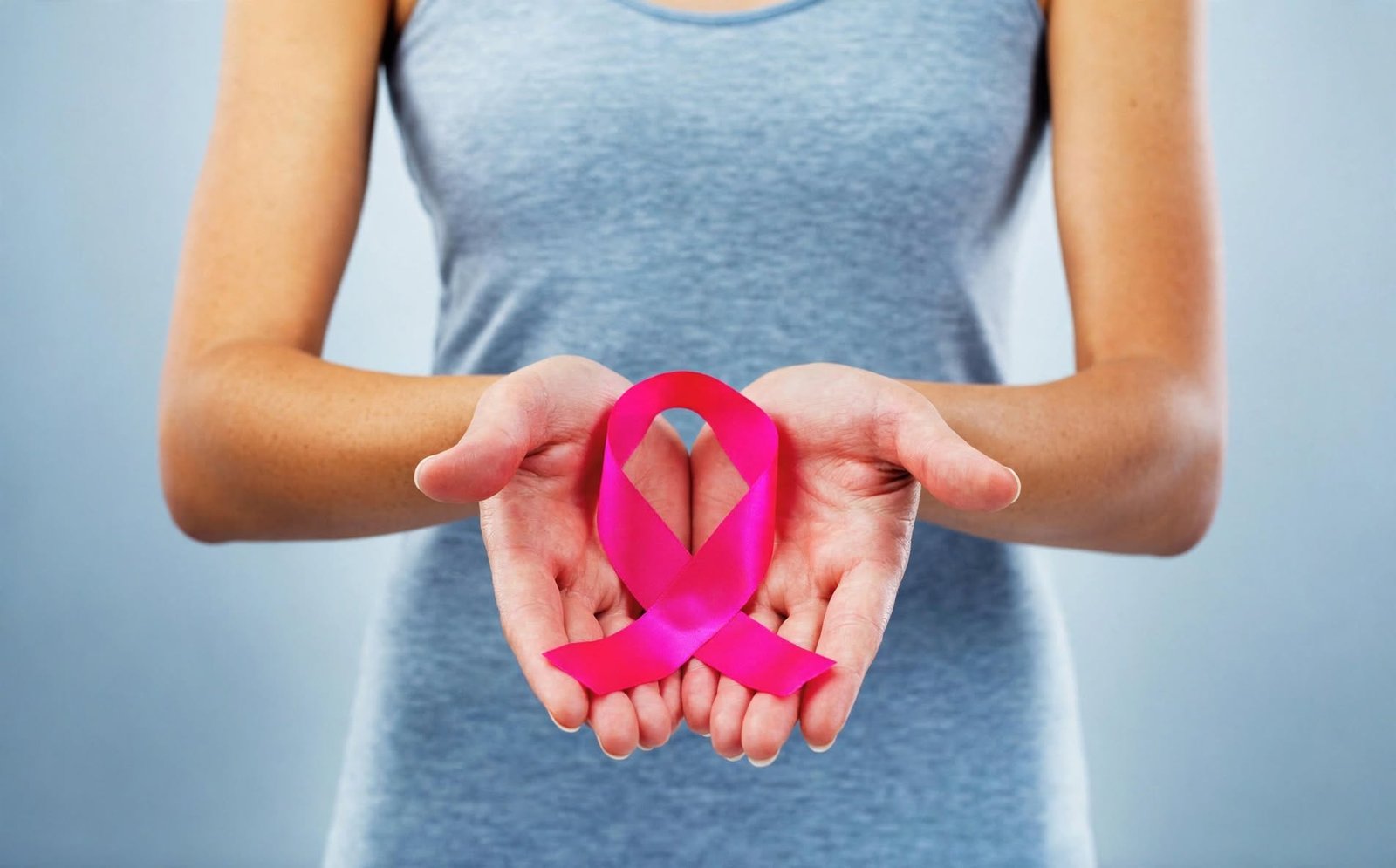
October marks Breast Cancer Awareness Month, a global campaign aimed at increasing awareness of breast cancer and encouraging action to improve early detection, timely diagnosis and access to quality treatment.
This year’s theme, “Every story is unique, every journey matters,” highlights the different experiences of people affected by breast cancer and the need to recognise the individual challenges they face throughout diagnosis, treatment and recovery.

The World Health Organization (WHO) says every person affected by breast cancer should receive appropriate support and compassionate care, regardless of where they live.
Breast cancer remains the most common cancer among women worldwide. In 2024, an estimated 2.4 million women were diagnosed with the disease, while 694,000 died from it. About 8.2 million women were living with breast cancer at the end of the year.
The disease occurs in every country and can affect women at any age after puberty, with the risk increasing as people grow older. The WHO estimates that about 80 per cent of breast cancers occur among women without specific risk factors other than being female and ageing.

Knowing the risks and warning signs
Several factors can increase the risk of breast cancer, including older age, obesity, alcohol consumption, a family history of the disease, previous exposure to radiation, reproductive history and tobacco use.
However, most women diagnosed with breast cancer do not have a known family history of the disease. Understanding individual risk factors can help people make informed health decisions and seek medical attention when necessary.
The WHO also encourages women to be familiar with changes in their breasts and to seek medical advice if they notice anything unusual.

Possible warning signs include a lump or thickening in the breast, changes in breast size or shape, alterations to the skin or nipple, and unusual or bloody discharge from the nipple.
For women in age groups where mammography screening is recommended, screening may also be advised where appropriate health services are available.
Early detection can save lives
The WHO says countries must strengthen efforts to detect breast cancer earlier, provide timely diagnosis and ensure that patients have access to effective treatment and supportive care.

The organisation has set a goal of reducing breast cancer mortality by 2.5 per cent each year, which could help avert 2.5 million breast cancer deaths by 2040.
According to the WHO, achieving this target is possible by integrating breast cancer services into essential healthcare packages and ensuring that such services are available through public health facilities.
Major inequalities remain
Despite improvements in breast cancer outcomes in several countries, significant inequalities in survival continue to exist.
The WHO estimates that only 41 per cent of women in low-income countries are expected to survive for at least five years after a breast cancer diagnosis, compared with 87 per cent in high-income countries.
About 70 per cent of breast cancer deaths occur in low- and middle-income countries, where access to early detection, timely diagnosis and comprehensive treatment is often more limited.

The WHO says a person’s chances of surviving breast cancer should not depend on where they live.
WHO initiative targets gaps in breast cancer care
The WHO Global Breast Cancer Initiative (GBCI) brings countries and partners together to address inequalities in breast cancer outcomes and improve survival.
The initiative has established three major targets: ensuring that at least 60 per cent of invasive breast cancers are diagnosed at stage I or II; reducing the period between the first detection or presentation of symptoms at a health facility and diagnosis to 60 days; and ensuring that 80 per cent of people diagnosed with breast cancer receive recommended complete treatment.
Achieving these targets requires action across the entire cancer-care pathway, including health promotion, early detection, diagnosis, treatment and supportive care.

Turning awareness into action
The WHO is urging individuals, communities, health professionals, organisations and governments to use Breast Cancer Awareness Month to move beyond awareness and take practical action.
Individuals and communities can share reliable information and encourage people to seek medical attention when they notice possible symptoms.
Health professionals can contribute by strengthening early detection, timely diagnosis and quality care, while organisations and partners can support awareness campaigns and national initiatives.

Governments and health systems, meanwhile, are encouraged to strengthen breast cancer services and work towards the targets of the Global Breast Cancer Initiative.
The WHO says continued advocacy, support and action are necessary to ensure that people affected by breast cancer are not left to face the disease alone.
“Every story is unique. Every journey matters.”
By: Prince Martey-Sogar.