

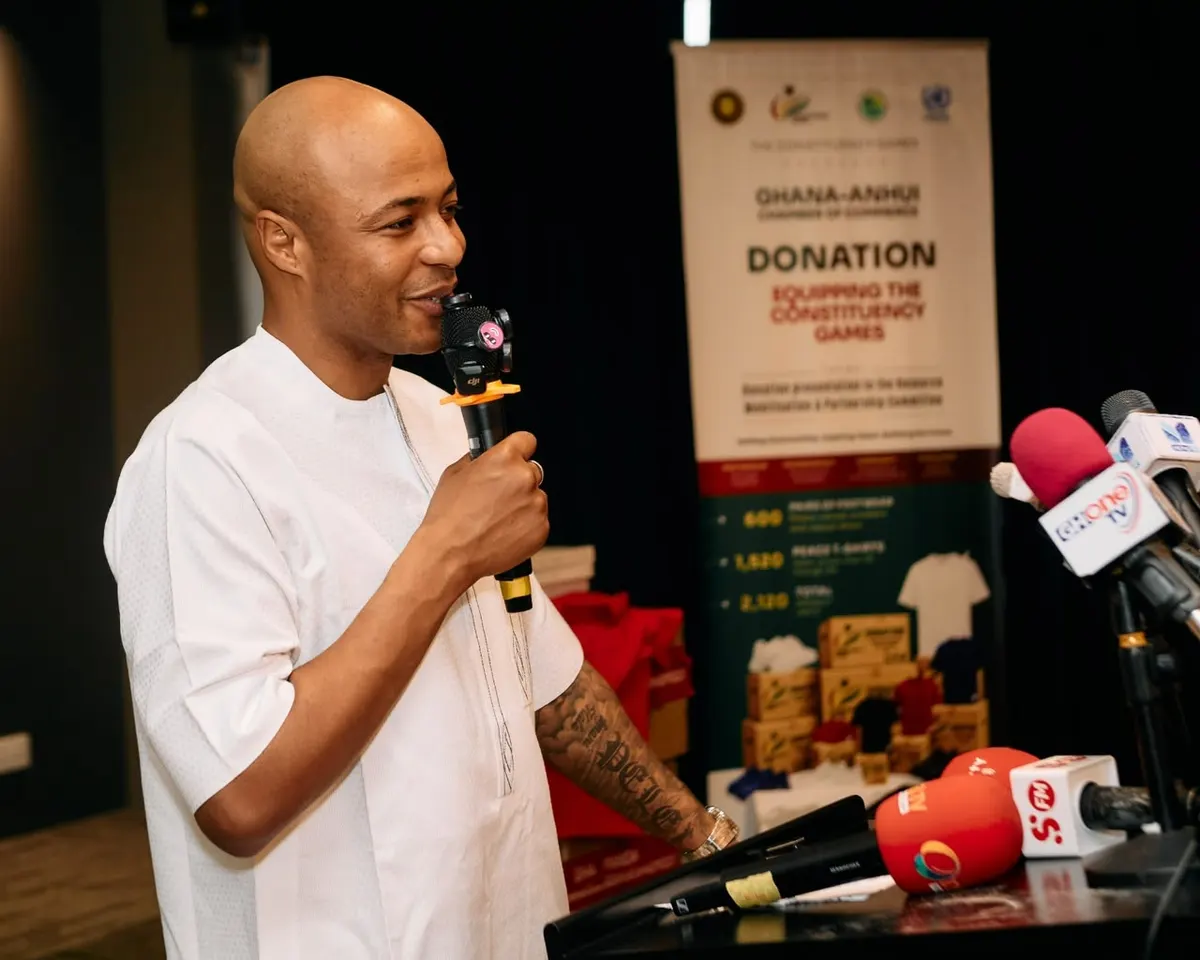
Former Black Stars captain André Ayew has backed government support for Ghanaian football, saying sustained investment and the responsible use of available resources could help restore the sport’s fortunes and attract more private-sector investment. Editorial Ethics & Independence
Ayew believes the government’s financial assistance to clubs in the Ghana Premier League signals a willingness to contribute to the development of the game.
However, he argues that funding alone will not solve the challenges facing Ghana football unless it is supported by proper planning, improved infrastructure and effective management.
Speaking on the Obi One Podcast, the experienced forward stressed that football stakeholders must work together to establish a clear development strategy that delivers lasting improvements rather than relying on short-term interventions.
According to a reports, Ayew pointed to the government’s reported allocation of GH¢1 million to each Ghana Premier League club as an indication of its readiness to support the sport.
He said confidence in how resources are managed would be important in encouraging additional investment from individuals and businesses.
His comments come at a difficult period for Ghana football, with concerns growing over the performance of the national teams, the quality of domestic competition and the systems responsible for developing young players.
Infrastructure and planning remain key concerns
Ayew identified infrastructure as one of the most important areas requiring attention if Ghana is to compete consistently with leading football nations.

Quality pitches, modern training facilities, properly equipped academies and reliable competition structures can help players develop their abilities and prepare for professional football. Without these foundations, financial support may not translate into sustained progress.
The former captain also emphasised the importance of coordinated planning between the government, the Ghana Football Association (GFA), clubs and other stakeholders. Corrections Policy
In his view, the country needs a shared strategy that clearly defines responsibilities and ensures that resources are directed towards meaningful development objectives.
Ayew also raised questions about the use of available football resources, including funding associated with FIFA development programmes.
His broader argument was that stakeholders must build confidence in the management of funds so that potential investors can be assured their contributions will support the game effectively.
Ghana football reforms gain urgency
The call for a more organised approach comes as the government and the GFA face growing pressure to improve the performance of the national teams and strengthen football development.

In early October, the Ministry of Sports and Recreation and the GFA held discussions on measures to address the challenges facing Ghana football.
According to reports, the proposed reforms included establishing a technical search committee to recommend a new head coach for the Black Stars and introducing a clearer development pathway for youth national teams.
The discussions followed disappointing results in the opening matches of Ghana’s 2027 Africa Cup of Nations qualifying campaign and the departure of head coach Carlos Queiroz.
The situation intensified calls from supporters for improvements in coaching, administration and long-term planning. Editorial Standards
The government and the GFA have also discussed arrangements intended to improve accountability and coordination. These measures reflect growing recognition that restoring confidence in Ghana football will require more than changes to the senior national team alone.
Ayew’s emphasis on planning and infrastructure aligns with the wider debate about building a sustainable football system, from grassroots competitions through youth development to the senior national teams.
Youth development and stronger domestic leagues
A sustainable revival will also depend on creating better opportunities for young Ghanaian players to progress into professional football.
Strong youth competitions, well-managed academies and consistent coaching can help promising players gain valuable match experience before moving to bigger clubs.
Ghana can also learn from countries that have invested in structured development systems and created clearer pathways between youth and senior football.
Ghana’s domestic league remains an important part of this process. Competitive clubs provide playing opportunities, help develop local talent and give national-team coaches a wider pool of players to assess. Privacy Policy & Terms
Improving the quality of the league could also strengthen fan interest, commercial partnerships and club revenues.
For government support to produce long-term results, stakeholders will need to connect financial assistance with measurable objectives, including improved facilities, youth participation, coaching standards and transparent financial management.
Accountability could attract private investment
Ayew believes confidence in the management of football resources is essential to encouraging more people and businesses to invest in the sport.

Investors are more likely to commit funding when they can see clear plans, responsible administration and evidence that resources are producing results.
Government funding can provide important support, but it cannot replace the need for sound governance, commercial development and private-sector participation.
Clubs and football authorities must demonstrate that financial resources are being used to strengthen their operations and improve the football product. Newscard
The challenge now is to turn commitments into lasting progress. For Ayew, Ghana’s football revival depends on collaboration, practical planning and a clear focus on the areas that matter most.
His message is that government support offers an opportunity, but the wider football community must ensure that the resources available are used effectively.
If infrastructure, youth development, accountability and domestic competition receive sustained attention, Ghana can begin building a stronger foundation for the future.