

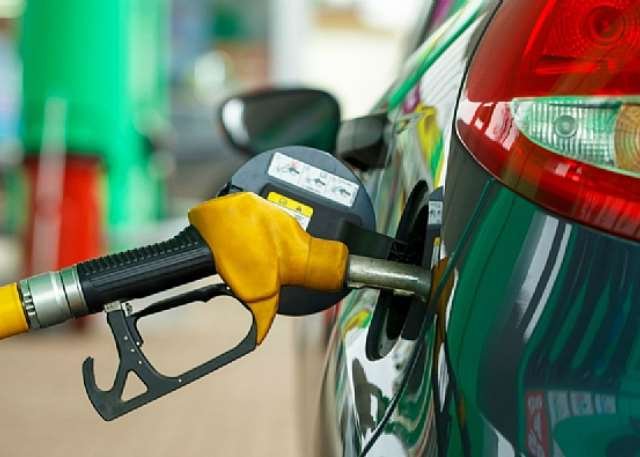
Petrol prices and diesel prices at fuel stations are expected to rise by 4.80 percent and 2.10 percent starting September 1 2026 according to the newest pricing outlook from the Chamber of Oil Marketing Companies (COMAC). Editorial Standards
This expected rise happens while the international oil market still puts pressure on prices as oil and refined petroleum products have gone up. The upward trend is likely to outweigh the effect of the recent strengthening of the Ghana cedi.
Nevertheless motorists and businesses that depend a lot on diesel are expected to get some relief because the government has decided to extend its GH¢2 per litre cut in the margin on diesel.
The intervention should moderate the rise in diesel prices as consumers move into the first pricing window of September.
LPG on the hand is expected to go the opposite way with prices projected to fall by about 1.50 percent.
COMAC’s latest outlook shows that the international petroleum market will likely stay volatile with changes in crude oil supply and shipping routes adding to prices.
Average crude oil prices went up by 1.75 percent during the period examined rising from US$90.53 per barrel to US$92.11 per barrel.
The rise happened even though the United States announced its sanctions against Iran. According to the pricing outlook those sanctions did not have an effect on the market because mediation attempts by Qatar and Pakistan failed and uncertainty about shipping through the Strait of Hormuz kept prices high.
Market conditions are expected to stay volatile as occasional transits through the Strait of Hormuz keep affecting crude prices.
Even though Iran and Oman are reportedly negotiating a shipping corridor Iran says normal passage will not return until US sanctions and the blockade are lifted.
Changes in the petroleum products market have also helped cause the expected rise in domestic fuel prices. Corrections Policy
International prices for the three refined products all went up during the period. Petrol had the rise at 8.86 percent diesel went up by 5.51 percent and LPG also rose by 3.31 percent internationally even though domestic LPG prices are expected to fall.
The National Petroleum Authority (NPA) has also raised the price floors for petrol and diesel for the pricing window of September.

The price floor for petrol is now GH¢14.53 per litre up from GH¢13.92 per litre during the pricing window of August.
Diesel’s price floor has also gone up from GH¢15.19 per litre to GH¢15.60 per litre.
LPG is the major petroleum product that saw its price floor drop falling from GH¢10.98 per kilogram to GH¢10.85 per kilogram. Newscard
Price floors are the prices that Oil Marketing Companies (OMCs) and LPG Marketing Companies (LPGMCs) can charge for petroleum products during a given pricing window.
Under the Petroleum Product Pricing Guidelines companies in the petroleum sector must follow the applicable price floors.
However the NPA price floors do not cover all parts of the pump price. They leave out premiums from International Oil Trading Companies, operating margins of Bulk Import, Distribution and Export Companies and the margins of marketers and dealers.
Those parts are set by each company separately following the pricing guidelines.
The expected rise in petrol prices could put pressure on motorists and households especially if the international market stays volatile.
Higher fuel prices can also affect the economy because petroleum products are closely tied to transportation, logistics and the movement of goods and services.
An increase in diesel prices is especially important for transport operators, logistics companies and businesses that rely on generators and other diesel-intensive operations. Editorial Ethics & Independence
Against this background the government’s choice to keep the GH¢2 per litre cut in the margin on diesel is expected to give some immediate relief.
The measure was first introduced as an intervention for two pricing windows and was to end at the end of August.
The government has now chosen to extend the measure for the pricing window, which stops the full GH¢2 per litre regulatory margin from being added back to diesel prices.
The extension follows worries about how rising international petroleum prices could affect consumers and businesses.
The intervention is therefore expected to soften the impact on diesel users and limit the rise in prices at the pumps.
For consumers however the September pricing window will probably stay difficult especially if international crude oil prices keep rising.
The projected 4.80 percent rise in petrol. 2.10 Percent rise in diesel show that Ghana’s domestic fuel market remains sensitive to global developments.
The expected 1.50 percent fall in LPG prices could give some relief to households that use LPG for cooking.
As the new pricing window starts on September 1 market changes will decide the prices set by each OMC following the applicable pricing rules and market parts.
The outlook underlines how important it is to watch oil prices exchange-rate moves and domestic pricing decisions as Ghana deals with another period of pressure, in the downstream petroleum sector.