

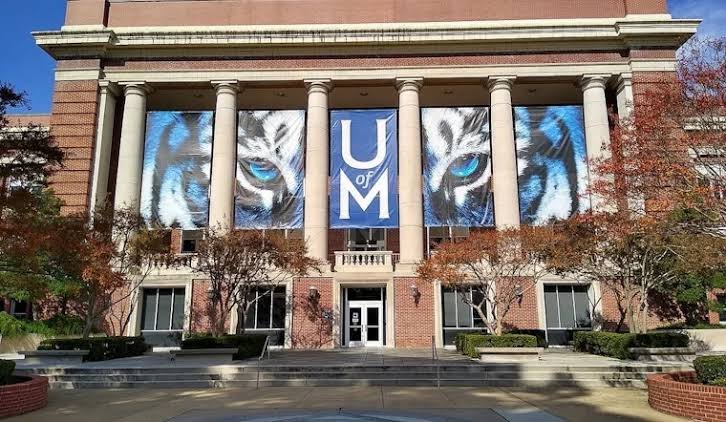
This decision has left 100 Ghanaian students at the university facing serious uncertainty about their education and future. Editorial Ethics & Independence
These students, who were part of the Ghana Scholarships Secretariat programme have been told they cannot enroll for the academic term unless they find other ways to pay their tuition. The university is set to begin its fall semester.
Many of these students are now under pressure to secure financial support quickly or risk being dropped from their courses.The University of Memphis confirmed that Ghana still owes close to $4 million under the agreement.
This amount had previously been $3.6 million in July 2025. At that time Ghana made two payments totaling $2 million. One of $1 million in August 2025 and another earlier payment of $400,000. Despite these efforts the debt increased again.
The university says the outstanding balance remains unresolved.University President Bill Hardgrave had previously said the payment delays were partly due to Ghana’s change in government and the resulting budget challenges.

He had hoped the situation would improve over time. The debt has not been settled.Now the students are being asked to take responsibility for their academic futures even though the financial problems were not their fault.
The university has said it is working with them to find ways to stay in school and finish their degrees despite the end of the scholarship deal.The situation carries risks. Corrections Policy
If students are unable to remain enrolled they could lose their immigration status. This would not affect their ability to study but could also threaten their housing and other support services provided by the university.
The University of Memphis released a statement saying the students though of the financial breakdown now face an unexpected challenge in maintaining their academic path.
The institution said it has shared options that might allow them to continue their studies. Those options depend on the students finding alternative funding.The students involved are achievers. Reports indicate they are studying in fields like science, engineering and business with a grade point average of 3.75.
This makes the disruption especially troubling as many are close to completing their degrees. For these students losing their place means losing years of hard work and personal investment.

The scholarship programme began in 2023 following an initiative by Otumfuo Osei Tutu II, the Asantehene, who advocated for opportunities for Ghanaian students after attending the Memphis in May International Festival.
The partnership between the Ghana Scholarships Secretariat and the University of Memphis was meant to support the development of skills in science, technology, engineering and mathematics. Fields critical to Ghana’s economic growth.
Up to 70% of the scholarships were focused on STEM disciplines while the rest went to graduate business programmes. The goal was not to help individual students but also to strengthen educational ties between Ghana and the United States.
However the financial problems have now endangered the programme. The Ghana Scholarships Secretariat said the delays in payments were due to audits and administrative processes involving different government agencies responsible for fund transfers. Newscard
Despite the government’s attempts to reduce the debt the balance has grown again. This has raised concerns about the stability of scholarship agreements and how delays in government payments can affect students who have no control over the financial arrangements between countries and universities.
For the students in Memphis the most pressing issue is finding a way to pay their tuition before the semester moves forward. They need either funding or direct intervention from Ghanaian authorities to avoid being forced to leave.
While the University of Memphis has not said all students will be expelled the continuation of their education now depends on their ability to find money on their own.
Many are likely to face emotional stress especially as they have already invested years and significant resources into their studies.This situation also raises questions about how international scholarship programmes are managed.

When government payments are delayed the burden often falls on students who are just trying to earn a future. This case shows how fragile such partnerships can be when funding is not guaranteed.
To protect both the students and the country’s reputation Ghana needs to act. Resolving the payment issue could help restore trust in its scholarship commitments and maintain cooperation, with universities abroad.
For now the students’ academic dreams hang in the balance.