

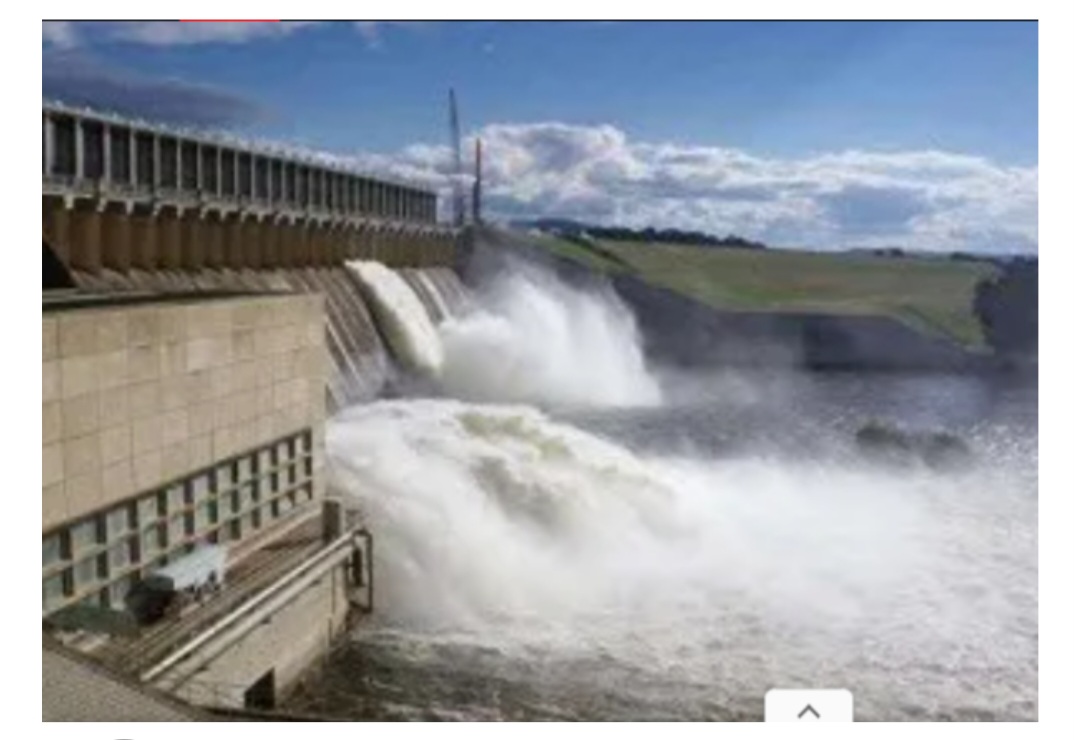
TAMALE, August 11, 2026 Sixty-eight communities in Ghana’s Northern Region have been placed on alert over the possible spillage of the Bagre Dam in Burkina Faso, as authorities intensify monitoring of water levels and prepare for potential flooding along the White Volta Basin.
The precautionary measures follow notification from Burkina Faso about a possible release of excess water from the dam, which is managed by the Société Nationale Burkinabè d’Électricité (SONABEL). However, the dam had not yet reached the reported spillage threshold as of Monday, August 10, with authorities continuing to monitor rainfall and inflows before any decision on releasing water is taken.

The affected communities are located across Kumbungu, Tolon, Savelugu Municipal and Karaga Municipal, areas that are considered vulnerable to flooding because of their proximity to the White Volta and its tributaries.
The National Disaster Management Organisation (NADMO) has consequently activated early warning and preparedness measures, urging residents in vulnerable areas to remain alert, follow official instructions and be prepared to move to safer locations if water levels rise.
According to information from NADMO, the Bagre Dam’s water level stood at about 233.08 metres as of August 10, compared with a reported spillage threshold of 234.15 metres. The dam was therefore still below the level at which the release would become necessary.
The situation remained under observation on August 11, with relatively low rainfall upstream contributing to the decision to hold off on the anticipated release.
NADMO has identified 68 communities in the Northern Region as potentially vulnerable to flooding should water released from the Bagre Dam significantly increase flows downstream.

The communities are spread across four administrative areas. Kumbungu has 15 communities, while Tolon has 17. Savelugu Municipal has 21 communities, with Karaga Municipal accounting for 15, bringing the total to 68.
The early warning is intended to provide residents with adequate time to protect lives, livestock, farm equipment and other property should the situation deteriorate.
Authorities are using local radio stations, community engagements and disaster volunteers to disseminate information, while the Information Services Department, district assemblies and other relevant institutions are supporting public education efforts.
Churches and mosques are also being used as channels for communicating the warnings to residents, particularly those in communities that may be difficult to reach quickly during an emergency.

NADMO has begun positioning emergency resources in anticipation of any possible flooding.
A rapid-response team from the 51st Regiment of the Ghana Armed Forces is being positioned at Walewale in the North East Region, with outboard motors available to support rescue operations if floodwaters cut off access to vulnerable communities.
Authorities have also identified possible safe havens, including schools, churches and mosques, where residents could be temporarily accommodated if evacuation becomes necessary.
The Ghana Red Cross and Ghana National Fire Service are also expected to support emergency operations, while relief items already positioned at Tamale International Airport could be deployed if communities become affected.
The preparedness measures are aimed at avoiding a repeat of situations in which residents are forced to evacuate at short notice after floodwaters have already entered homes and farms.
Farmers and livestock owners in areas close to the White Volta have been urged to take particular care as the authorities continue monitoring the dam.
Farmers whose crops are mature have been encouraged to harvest them where possible, while those with crops that are not yet ready have been advised to prioritise their safety rather than remain in flood-prone areas.
Livestock owners and nomadic cattle rearers have also been advised to move animals to higher ground to prevent losses in the event of rising water levels.
The warning is particularly significant for communities whose livelihoods depend heavily on agriculture, fishing and livestock production. Flooding of farmlands can destroy crops, wash away farm inputs and equipment and disrupt household incomes.
Previous research on Bagre Dam-related flooding in northern Ghana has documented significant effects on agriculture, housing, transport, health and livelihoods in affected communities. The White Volta Basin is particularly vulnerable because the river receives water from the Bagre Dam before flowing through northern Ghana.
NADMO has alerted the Ghana Health Service to the possibility of increased demand for emergency medical supplies, including anti-snake venom, because flooding can force snakes and other potentially dangerous animals out of their natural habitats and into residential areas.
Flooding could also increase the risk of waterborne diseases if contaminated floodwater enters wells and other sources of drinking water.
To help address the risk, Aquatabs donated by World Vision have been distributed to vulnerable communities for water treatment.
Residents have therefore been urged to avoid drinking untreated water from rivers, streams, wells or other sources that may become contaminated during flooding.
The current warning comes against the background of repeated flooding associated with the annual operation of the Bagre Dam.
The dam, located in Burkina Faso, plays an important role in the country’s electricity supply. However, during periods of heavy rainfall, rising reservoir levels can require controlled releases of water to protect the dam.
The released water eventually flows into Ghana through the White Volta system, where it can contribute to flooding in downstream communities.

The recurring nature of the problem has made early warning and coordination between Ghana and Burkina Faso particularly important.
In February 2026, the Ghana News Agency reported that Ghana and Burkina Faso had agreed to strengthen cooperation on disaster management, including preparedness and response to the perennial spillage of the Bagre Dam. The cooperation is expected to improve early-warning systems, information sharing and coordinated emergency responses.
Previous Bagre Dam spillages have caused significant disruption in northern Ghana, including the destruction of farmlands, displacement of households and damage to infrastructure. Research on communities in the White Volta Basin has also documented longer-term consequences for livelihoods, education, health and social life following dam-release flooding.
NADMO officials have stressed that the current alert should not be interpreted as confirmation that flooding has already begun.
Instead, the early warning is intended to give communities sufficient time to prepare before any possible increase in water levels.
The authorities are therefore monitoring developments in Burkina Faso while maintaining communication with institutions responsible for water management and disaster response in Ghana.

The approach is consistent with previous warnings issued ahead of Bagre Dam releases, when authorities have encouraged people living in low-lying areas and along riverbanks to move to higher ground and avoid activities that could expose them to rising water levels.
For now, the key concern remains whether continued rainfall upstream will push the Bagre Dam to the level requiring a controlled release.
Until a decision is made, NADMO is urging residents of the 68 identified communities to remain vigilant and pay attention to information from official sources.
Authorities say the priority is to ensure that any potential release does not result in avoidable loss of life, while giving communities enough time to protect property, livestock and livelihoods.
With the dam still being monitored, residents along the White Volta Basin have been advised to treat the alert seriously, even as authorities continue to assess whether the water level will rise enough to trigger spillage.