


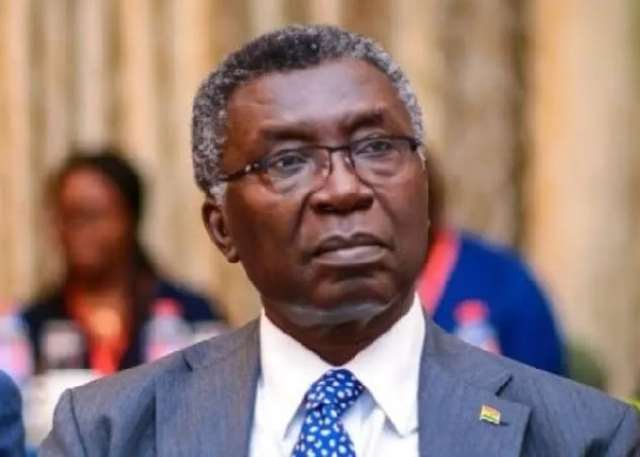
Calls for an extensive and sustained plan to the housing challenges in Ghana are growing louder with experts emphasizing that short-term initiative alone cannot address the deep-rooted crisis. The Former Minister of Environment, Science, Technology and Innovation, Professor Kwabena Frimpong-Boateng, has emphasized the country needs a coordinated national housing blueprint to meet the needs of its rapidly growing population.
Ghana’s urban hubs especially Accra and Kumasi continue to face growing pressure from rising demand for affordable housing. Experts warn that short-term interventions such as isolated housing projects often fail to tackle structural problems including land tenure complexities, funding gaps and inadequate infrastructure.

Professor Frimpong-Boateng stressed that housing is not simply a societal issue but a primary cause of economic stability. ”Without a long-term plan, the country risks widening inequality and deepening urban congestion” he cautioned. He implored policymakers to prioritize sustainable solutions that incorporate housing with sanitation, transport and energy systems. Stakeholders in the construction and real estate sectors have echoed similar sentiments, calling for stronger cooperation between government, private developers and financial institutions. Proposals include expanding mortgage accessibility, streamlining land acquisition process and incentivizing eco-friendly building practices.
As Ghana positions itself for future growth, the housing sector remains a pivotal test of national planning. Experts say that only a sustain, well coordinated plan can ensure that every Ghanaian has access to safe, affordable and dignified housing.
Godsway Kanku