

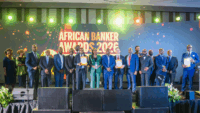
GCB Bank has been named Regional Bank of the Year for West Africa at the 20th edition of the African Banker Awards, earning recognition for its leadership in banking, financial innovation, and contribution to economic growth across Ghana and the wider West African sub region.
The prestigious award was presented during the African Banker Awards ceremony held in Brazzaville, Republic of the Congo, on the sidelines of the Annual Meetings of the African Development Bank (AfDB). The event brought together central bank governors, finance ministers, policymakers, development finance institutions, and senior banking executives from across Africa to celebrate excellence in the continent’s financial services industry.
Organised by African Banker magazine in partnership with IC Events under the patronage of the African Development Bank, the awards recognised financial institutions that have demonstrated outstanding performance, resilience, innovation, and commitment to supporting sustainable economic development. This year’s ceremony was held under the theme “Mobilising Africa’s Development Financing at Scale in a Fragmented World.”

According to the organisers, GCB Bank was selected because of its strong market leadership, financial resilience, customer focused innovation, and its significant contribution to financial inclusion and economic development in Ghana and the West African region. The bank was also recognised for supporting businesses, financing strategic sectors of the economy, and promoting inclusive growth through accessible financial services.
A major factor behind the recognition was GCB Bank’s role in advancing regional financial integration. The bank became the first commercial bank in Ghana to successfully process a live transaction through the Pan African Payment and Settlement System (PAPSS), an initiative that enables faster and more affordable cross border payments across African countries without relying heavily on foreign currencies. The achievement is considered an important milestone in supporting trade under the African Continental Free Trade Area (AfCFTA).
Reacting to the award, GCB Bank Managing Director Farihan Alhassan described the recognition as a reflection of the commitment and hard work of the bank’s employees as well as the confidence shown by customers, shareholders, and business partners.
“This recognition is a testament to the dedication of our employees, the trust and loyalty of our customers, and the confidence of our shareholders and partners. We remain committed to delivering innovative and customer focused solutions that support national development while empowering businesses and individuals to achieve their aspirations,” Alhassan said.
The award further strengthens GCB Bank’s reputation as one of Africa’s leading indigenous financial institutions. Established in 1953, GCB Bank remains Ghana’s largest indigenous commercial bank, operating a nationwide network of 183 branches and more than 340 automated teller machines. Over the decades, the bank has expanded its portfolio of retail, corporate, investment, and digital banking services while supporting enterprise development and financial inclusion across the country.

Industry analysts say the recognition comes at a time when African banks are increasingly expected to play a greater role in financing infrastructure, supporting regional trade, and driving economic transformation amid global economic uncertainty. Awards such as the African Banker Awards highlight institutions that have successfully balanced financial performance with innovation and long term development impact.
For GCB Bank, the latest honour adds to a growing list of accolades received in recent years and reinforces its ambition to remain at the forefront of banking innovation in Ghana and West Africa. The bank says it will continue investing in technology, expanding customer centric services, and supporting initiatives that promote economic growth, trade facilitation, and sustainable development across the region.
GCB Bank Launches Digital Salary Advance for Emergency Funding