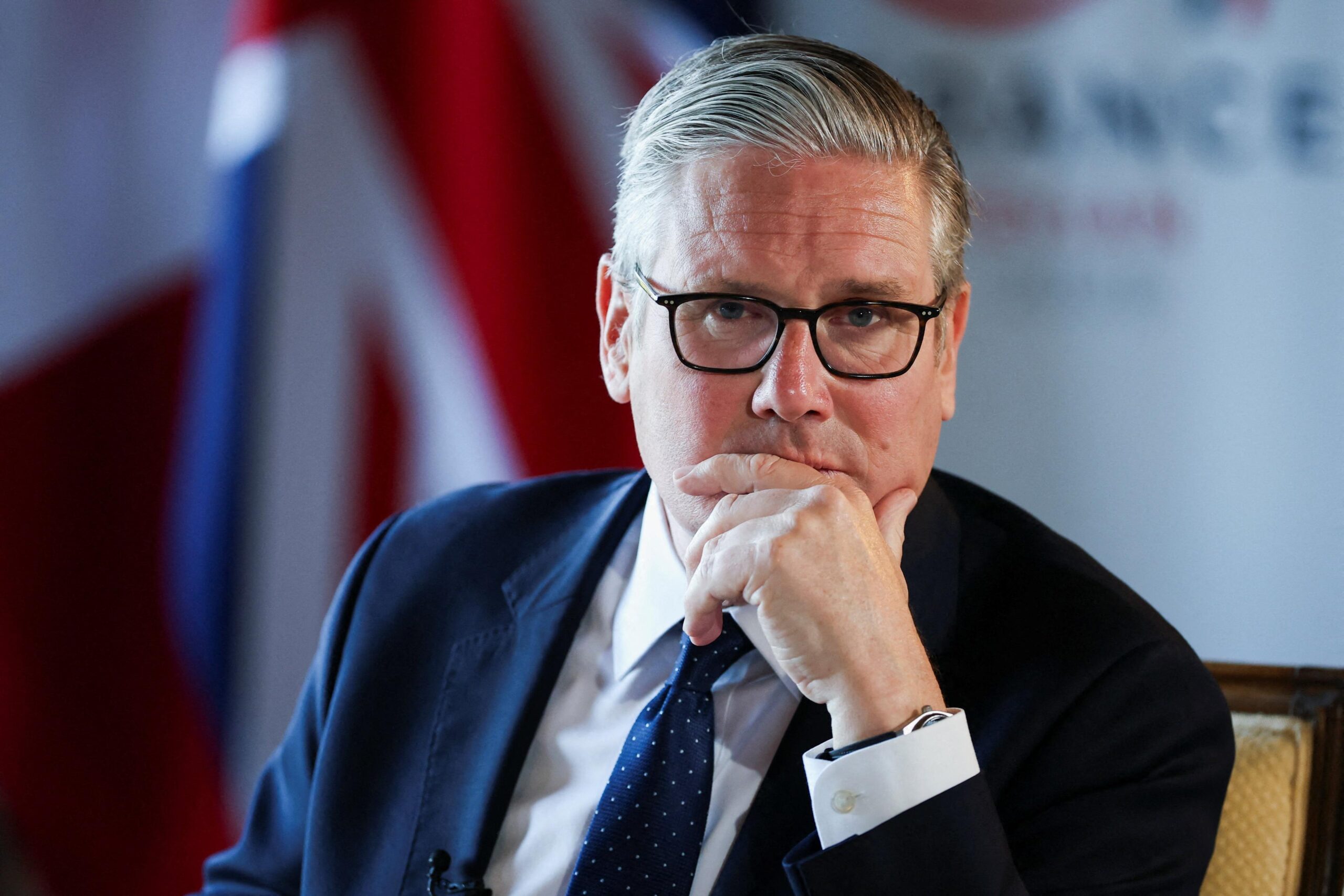
Keir Starmer resigns as UK Prime Minister and Labour leader

0
9

UK Prime Minister Keir Starmer has announced his resignation as both Prime Minister of the United Kingdom and leader of the Labour Party, marking a major political shift less than two years after his historic general election victory in 2024.

According to multiple reports, Starmer made the announcement on Monday, stating that he will remain in office temporarily until a new Labour leader is selected. His resignation comes after months of mounting internal pressure within the party, following poor electoral performances, falling approval ratings, and growing dissatisfaction among MPs and ministers.

Reports indicate that Starmer’s leadership had been under increasing strain since Labour suffered significant losses in local elections earlier in 2026, with more than a thousand council seats reportedly lost across the country. The defeats triggered renewed criticism of his leadership style and policy decisions, with some senior party figures publicly and privately calling for a transition plan.

Tensions within the party escalated further after a series of ministerial resignations and open disagreements over key policy directions, including economic strategy, public service delivery and immigration policy. Analysts say these developments weakened Starmer’s position and accelerated discussions within Labour about a leadership change.

In his resignation remarks, Starmer reportedly reflected on his time in office and defended key decisions taken during his premiership, including efforts to stabilise inflation, reform public services and restore economic confidence after years of political instability. He also expressed gratitude to supporters, colleagues and his family, noting the personal toll of leadership.

Political observers say the resignation effectively opens a new chapter in British politics, triggering a leadership contest within the Labour Party. Early speculation has already centred on senior Labour figures, including regional leaders and cabinet members, who could compete to replace him.

Keir Starmer resigns as UK Prime Minister and Labour leader amid political pressure and party turmoil
Keir Starmer

Starmer, who previously served as Leader of the Opposition from 2020 before leading Labour to a landslide victory in 2024, had been seen as a central figure in reshaping the party toward a more centrist political position. His departure now raises questions about whether Labour will continue on the same ideological path or shift direction under new leadership.

The resignation also comes at a time of broader political uncertainty in the United Kingdom, with economic challenges, public service pressures and shifting voter loyalties continuing to shape the political landscape. Analysts say the transition could determine the party’s fortunes heading into the next general election cycle.

For now, Starmer is expected to remain in office until a formal leadership process is completed, ensuring continuity of government during the transition period.

World Economic Forum chief resigns after scrutiny over Epstein links

Author

  • Daniel Ablordey

    Daniel Ablordey is a Business Analytics student at the University of Ghana Business School and an emerging strategist at the intersection of data, markets, and narrative. With a keen analytical mind and a passion for African business and economic trends, he is building a career focused on translating complex data-driven insights into accessible, decision-relevant stories that matter.

    As a writer and editor with Insight Ghana, African Business Insight, and The African Journal, Daniel delivers sharp, high-impact analysis on current affairs, business developments, and emerging trends across the continent. His work is defined by precision, clarity, and a deep commitment to responsible journalism — ensuring that every story he tells is not only accurate but meaningful to the audiences it serves.

    Beyond his editorial work, Daniel serves as an Ecobank Youth Ambassador, where he actively promotes financial inclusion, digital banking, and financial literacy among young Ghanaians. His leadership experience spans academic, professional, and faith-based institutions, where he has consistently driven initiatives centered on growth, structure, and long-term impact.

    Grounded in the principles of Pan-Africanism and service, Daniel brings a rare combination of analytical rigour and storytelling depth to his work. Whether unpacking market behavior, profiling emerging business leaders, or covering cultural shifts shaping the continent, he approaches every assignment with strategic intent and editorial integrity.

    His broader ambition is to contribute to Africa's transformation by shaping how data, business, and storytelling intersect — not just locally, but on a global stage.

Previous articleConfidence isn’t loud: Why quiet people are winning in 2026
Next articlePlastic manufacturers urge government to delay styrofoam ban to 2030
Daniel Amenyo Ablordey
Daniel Ablordey is a Business Analytics student at the University of Ghana Business School and an emerging strategist at the intersection of data, markets, and narrative. With a keen analytical mind and a passion for African business and economic trends, he is building a career focused on translating complex data-driven insights into accessible, decision-relevant stories that matter.

As a writer and editor with Insight Ghana, African Business Insight, and The African Journal, Daniel delivers sharp, high-impact analysis on current affairs, business developments, and emerging trends across the continent. His work is defined by precision, clarity, and a deep commitment to responsible journalism — ensuring that every story he tells is not only accurate but meaningful to the audiences it serves.

Beyond his editorial work, Daniel serves as an Ecobank Youth Ambassador, where he actively promotes financial inclusion, digital banking, and financial literacy among young Ghanaians. His leadership experience spans academic, professional, and faith-based institutions, where he has consistently driven initiatives centered on growth, structure, and long-term impact.

Grounded in the principles of Pan-Africanism and service, Daniel brings a rare combination of analytical rigour and storytelling depth to his work. Whether unpacking market behavior, profiling emerging business leaders, or covering cultural shifts shaping the continent, he approaches every assignment with strategic intent and editorial integrity.

His broader ambition is to contribute to Africa's transformation by shaping how data, business, and storytelling intersect — not just locally, but on a global stage.