


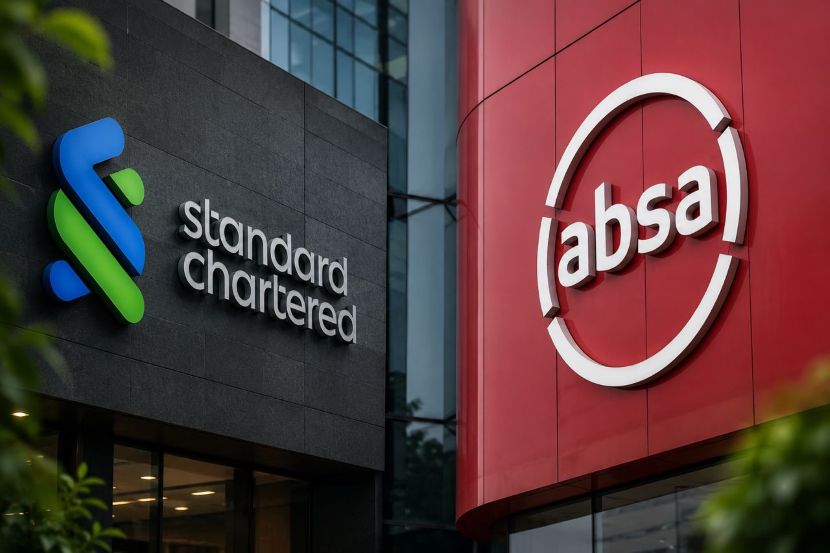
The Bank of Uganda has approved the sale of the retail banking and wealth management operations of Standard Chartered in Uganda to Absa Bank Uganda, marking a major regulatory milestone in a transaction expected to significantly reshape the country’s retail banking landscape.
The approval clears a key hurdle for the transfer of Standard Chartered’s consumer focused banking business to Absa, although the deal still remains subject to the fulfillment of remaining contractual conditions outlined in the agreement between the two institutions. A joint statement released on June 1 confirmed that regulatory consent had been secured, enabling the process to move toward completion.
The transaction involves Standard Chartered exiting its retail and wealth management segment in Uganda, a strategic shift consistent with the bank’s broader global restructuring efforts that have seen it focus more heavily on corporate, investment, and cross border banking services in select markets.

For Absa Bank Uganda, the acquisition represents a significant expansion of its footprint in the retail banking sector, strengthening its position in a competitive market that includes both regional and international lenders. The move is expected to increase Absa’s customer base, expand its deposit portfolio, and enhance its wealth management offerings.
Industry analysts say the deal reflects a wider trend across African banking markets, where multinational lenders are reassessing their retail operations in smaller or less profitable segments while regional banks expand aggressively to capture retail and SME growth opportunities.
Uganda’s banking sector has become increasingly dynamic in recent years, driven by digital transformation, rising financial inclusion, and growing demand for consumer credit and savings products. Regulatory oversight by the Bank of Uganda has also played a key role in shaping consolidation and ensuring stability within the sector.

The sale is expected to improve operational efficiency for both institutions. Standard Chartered’s exit from retail banking will allow it to concentrate resources on higher margin corporate and institutional clients, while Absa gains immediate scale in the retail segment without having to build infrastructure from scratch.
Financial experts note that such transactions often lead to short term integration challenges, particularly around customer migration, technology systems, and staff transitions. However, they also highlight the long term benefits of consolidation in creating stronger, more competitive banking institutions.
The acquisition also underscores Absa’s broader pan African growth strategy, as the bank continues to expand its presence across multiple markets following its separation from Barclays PLC. Absa has been actively positioning itself as a leading African financial services group with a strong retail and digital banking focus.

Customers of Standard Chartered Uganda’s retail division are expected to be transitioned to Absa once the remaining conditions of the deal are satisfied, though both banks have assured continuity of services during the transition period.
Regulators have emphasized that the approval was granted after ensuring compliance with prudential requirements, including capital adequacy, risk management standards, and customer protection safeguards.
As the transaction moves toward final completion, analysts expect it to set a precedent for further consolidation in Uganda’s banking sector, where competition and regulatory expectations continue to drive strategic realignments among major financial institutions.
Ecobank Ghana reassures customers of financial stability following court ruling