

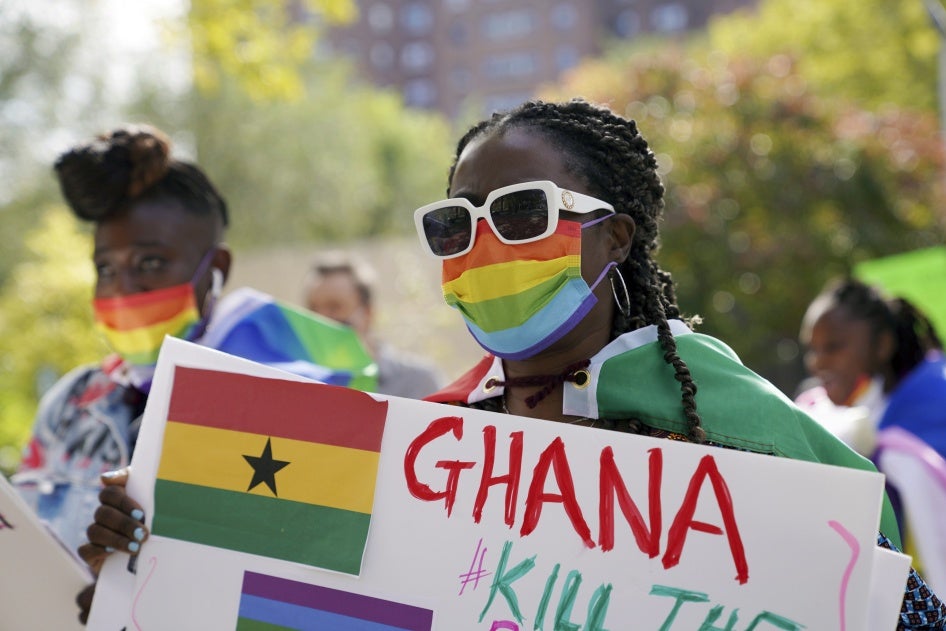
The Parliament of Ghana has moved a step closer to passing one of its most debated pieces of legislation after the Constitution and Legal Affairs Committee recommended the approval of the proposed anti LGBTQ bill.
The bill, formally known as the Promotion of Proper Human Sexual Rights and Ghanaian Family Values Bill, has been under intense scrutiny both locally and internationally since it was first introduced. The committee’s recommendation now places it before the full house for consideration and potential passage.
Members of the committee argue that the bill reflects the cultural, religious and moral values of a significant portion of Ghanaian society. Supporters insist the legislation is necessary to protect what they describe as traditional family structures and social norms, framing the bill as a response to growing concerns over the influence of LGBTQ advocacy in the country.

However, the recommendation has reignited strong opposition from civil society groups, human rights organisations and international partners who warn that the bill could have serious implications for fundamental freedoms and Ghana’s global standing.
Critics say the legislation risks criminalising individuals based on sexual orientation and could extend penalties to those who support or advocate for LGBTQ rights. Legal analysts have also raised concerns about potential conflicts with provisions of Ghana’s constitution, particularly those related to human rights, freedom of expression and association.
The debate around the bill has been one of the most polarising in Ghana’s recent political history, drawing widespread public engagement and deep divisions across political, religious and social lines. While some lawmakers have publicly endorsed the bill, others have urged caution, calling for broader consultations and a careful review of its legal implications.

International reaction has been equally strong. Several global organisations and foreign governments have expressed concern that the bill, if passed, could affect Ghana’s diplomatic relations and economic partnerships. Some development partners have hinted at potential consequences for aid and investment should the legislation be enacted in its current form.
Ghana’s executive arm has previously indicated that any bill passed by Parliament would be subject to constitutional review. The Supreme Court may ultimately play a decisive role if legal challenges are filed after passage.
The committee’s recommendation comes at a time when Ghana is working to stabilise its economy and rebuild investor confidence following recent financial challenges. Analysts note that controversial legislation could introduce additional uncertainty, particularly if it affects international perception of the country’s governance and human rights record.
Supporters of the bill, however, dismiss these concerns, arguing that national sovereignty should take precedence over external pressure. They maintain that Ghana has the right to define its legal and cultural framework without interference.

The next stage in the legislative process will involve debate and voting by the full Parliament. If approved, the bill will be sent to the President for assent or further review.
As the country prepares for this critical decision, tensions are expected to remain high, with advocacy groups on both sides mobilising to influence the final outcome. The issue has already sparked protests, public campaigns and intense media discussion, reflecting its significance in Ghana’s social and political landscape.
The coming weeks will be crucial in determining whether the bill becomes law or faces delays, amendments or legal challenges. Whatever the outcome, the debate has already left a lasting impact on national discourse and will likely continue to shape conversations about rights, culture and governance in Ghana.
