

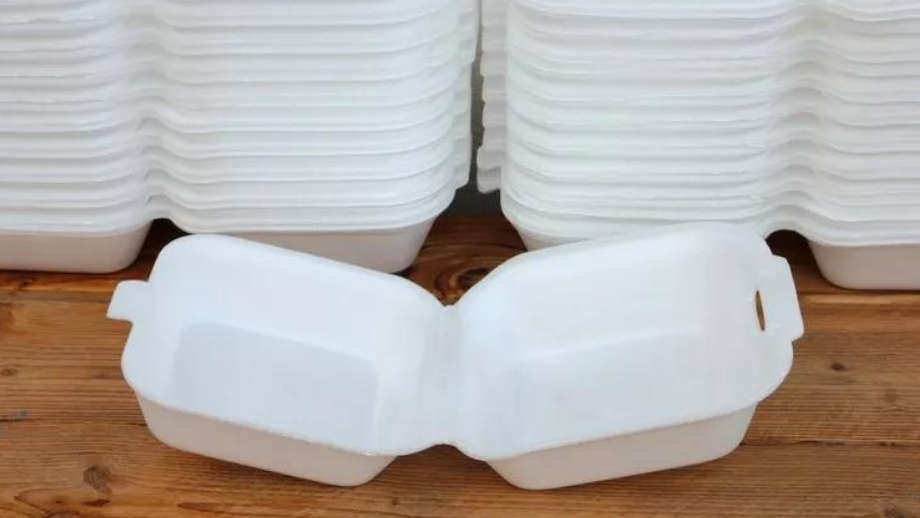
The Environmental Protection Agency of Ghana has announced that a nationwide ban on polystyrene foam products, commonly known as Styrofoam or takeaway packs, will come into force on 1 January 2027, in a major environmental policy shift aimed at reducing plastic pollution and improving waste management across the country.
According to the announcement, the ban will cover the production, importation, distribution, sale, and use of all polystyrene foam materials. This means businesses, manufacturers, food vendors, importers, and retailers will no longer be allowed to engage in any activity involving Styrofoam packaging once the policy takes effect.
The decision forms part of Ghana’s broader environmental strategy to address the growing challenge of plastic waste, particularly in urban centres such as Accra, Kumasi, and Takoradi, where single use plastics have become a major contributor to clogged drains, flooding, and environmental degradation. Environmental authorities have repeatedly warned that polystyrene products are among the most difficult materials to recycle, as they break into small particles that persist in the environment for long periods.

The Environmental Protection Agency has for years raised concerns about the environmental and health implications of Styrofoam use, especially in the food service industry. These containers are widely used by restaurants, chop bars, catering services, and street food vendors due to their low cost and convenience. However, their non biodegradable nature has made them a significant contributor to landfill overflow and urban littering.
The 2027 enforcement timeline is expected to give businesses and manufacturers time to transition to more sustainable alternatives. Authorities are encouraging the adoption of biodegradable packaging materials, reusable containers, and paper based packaging solutions as replacements for Styrofoam products. Environmental advocates have welcomed the announcement, describing it as a long overdue but necessary intervention in Ghana’s waste management crisis.
Over the years, Ghana has taken several steps to address plastic pollution, including public education campaigns, recycling initiatives, and restrictions on certain plastic products. However, enforcement has often been a challenge due to the widespread use of low cost plastics and limited availability of affordable alternatives. The new Styrofoam ban is expected to test both regulatory enforcement capacity and public compliance.
Industry stakeholders, particularly in the food packaging sector, are likely to be significantly affected by the policy. Many small and medium scale food vendors rely heavily on polystyrene containers because of their affordability and insulation properties. The transition period leading up to 2027 is therefore expected to involve adjustments in supply chains, pricing structures, and sourcing of alternative packaging materials.
Environmental experts argue that the policy could have a meaningful impact on reducing urban flooding, especially in areas where drainage systems are frequently blocked by plastic waste. During heavy rains, Styrofoam and other plastic debris often accumulate in gutters and waterways, worsening flood risks and increasing cleanup costs for local authorities.


The EPA’s announcement also aligns with a growing global movement against single use plastics, with several countries and cities across Africa, Europe, and Asia introducing similar bans or restrictions. These policies are generally aimed at promoting circular economy practices and reducing reliance on non recyclable materials.
Public reaction is expected to be mixed, with environmental groups and sustainability advocates supporting the move, while some traders and vendors may express concern over the cost and availability of alternative packaging solutions. The success of the policy will likely depend on effective enforcement, public education, and the accessibility of affordable substitutes.
As the 2027 deadline approaches, stakeholders across government, industry, and civil society are expected to engage in further consultations to ensure a smooth transition. The Environmental Protection Agency has indicated that additional guidelines and enforcement frameworks will be communicated to guide compliance ahead of implementation.
Exporters Risk Up to 10 Years in Jail for Failing to Repatriate Proceeds – BoG