

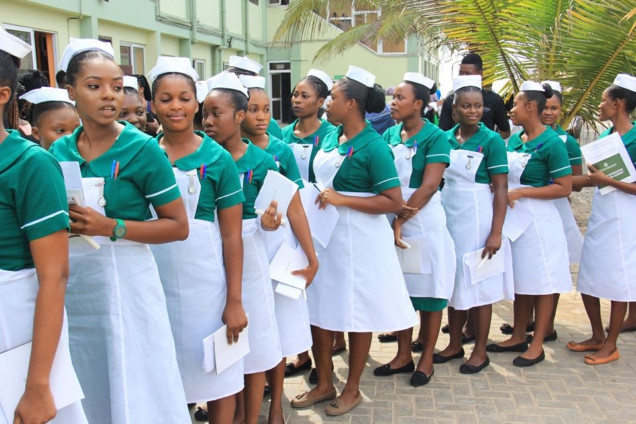
The Ministry of Health has announced plans to introduce a nationwide volunteer programme targeting more than 6,000 unemployed health graduates, as government moves to address growing pressure on the health employment sector and expand access to healthcare delivery in underserved communities.
According to official information, the initiative is designed to provide temporary engagement for health professionals who completed their training from 2022 onwards but have not yet been absorbed into the public sector payroll. The programme is expected to operate alongside ongoing recruitment and mop up exercises aimed at filling remaining vacancies within the health system.
The announcement comes amid increasing concern over the large backlog of unemployed health workers in Ghana. Ministry officials have indicated that thousands of trained nurses, midwives, and other allied health professionals are currently awaiting placement, creating both employment pressure and underutilisation of trained personnel in the country’s healthcare system.

Under the volunteer arrangement, participants will be deployed mainly to rural and deprived communities where staffing shortages remain a long standing challenge. These areas often struggle with inadequate access to healthcare professionals, particularly in primary healthcare delivery, maternal care, and preventive services.
The Ministry has stated that volunteers under the programme will receive stipends during their period of service. Although the exact amount has not been disclosed, officials say the structure is intended to provide some financial support while maintaining flexibility within government wage constraints. Participants will also be given priority consideration in future formal recruitment exercises, meaning the programme could serve as a pathway into permanent employment within the public health system.
Reports indicate that the initiative is part of a broader human resource strategy aimed at strengthening Ghana’s healthcare delivery structure. The Ministry of Health, which is responsible for policy direction and regulation of the health sector, continues to work with agencies such as the Ghana Health Service and regulatory councils to address staffing gaps across hospitals, clinics, and community health centres.

The volunteer system is also expected to support ongoing efforts to expand healthcare coverage in rural areas, where health facilities often operate with limited staff and high patient demand. In many districts, a shortage of nurses and midwives has been identified as a major barrier to achieving efficient service delivery, especially in maternal and child health.
In addition, government has been under pressure to balance fiscal constraints with rising demand for public sector employment. The introduction of a volunteer pathway allows authorities to temporarily engage trained professionals without immediately increasing the public wage bill, while still improving service delivery in critical areas.
Health policy analysts note that similar volunteer or internship based programmes have been used in various countries to bridge employment gaps in the health sector. However, they also caution that such systems must be carefully managed to avoid long term workforce dissatisfaction, especially if transitions into permanent employment are delayed.

The Ministry has also hinted at a separate recruitment process for medical officers and other specialised categories, which is expected to begin in the coming months. Officials say the combined approach of recruitment and volunteering is aimed at improving equitable distribution of health workers across the country.
While no specific timeline has been provided for the start of the volunteer programme, the Ministry has indicated that implementation will begin in the coming weeks, alongside other recruitment processes already underway.
The development is expected to draw significant attention from health sector unions, training institutions, and job seeking graduates, as Ghana continues to grapple with the challenge of aligning health training output with available employment opportunities in the public sector.
Ghana health financing compact signals shift toward sustainable healthcare investment