

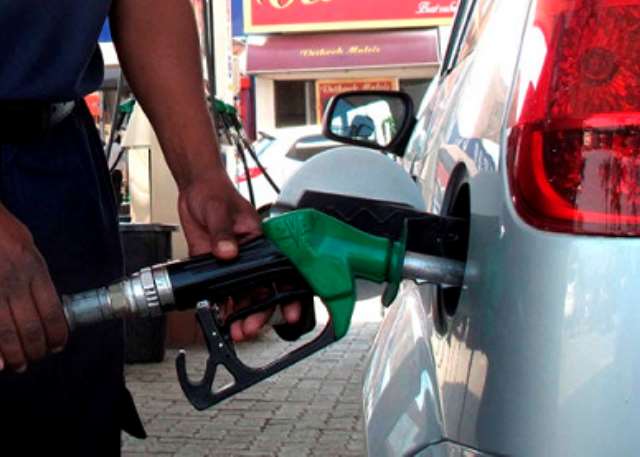
Ghana has announced the continuation and adjustment of its temporary intervention at fuel pumps, extending relief measures designed to shield consumers from the impact of rising petroleum prices in the domestic market.
The announcement reflects ongoing efforts by government to stabilise transport and energy costs at a time when global oil price movements and exchange rate pressures continue to influence domestic fuel pricing. Authorities say the revised intervention is intended to balance consumer protection with broader fiscal sustainability considerations.
Fuel prices in Ghana are heavily influenced by international crude oil trends, refined product costs, taxes, levies, and the performance of the local currency. When global prices rise or the cedi weakens, domestic pump prices often adjust upward, placing pressure on households and transport operators.

The latest adjustment suggests that government is maintaining a form of subsidy or stabilisation mechanism, although officials have framed it as a temporary relief intervention rather than a permanent price control system. Such measures are typically used to reduce sudden shocks in transportation costs, which often have ripple effects on food prices and general inflation.
Economic analysts note that fuel pricing remains one of the most sensitive components of Ghana’s inflation dynamics. Transport fares, logistics costs, and the prices of goods are closely tied to petroleum prices, meaning any increase can quickly spread through the economy.
Ghana has previously implemented various fuel related interventions during periods of high global volatility, often seeking to prevent sharp increases that could trigger public discontent or accelerate inflation. However, such interventions also come with fiscal implications, as they can increase government expenditure or reduce revenue depending on the structure of the support.
The current decision comes at a time when authorities are also focused on broader macroeconomic stability, including inflation management, currency stability, and fiscal consolidation. Balancing fuel affordability with economic discipline remains a key policy challenge.
Transport unions and consumer groups have often called for government intervention during periods of rising fuel costs, arguing that sudden price increases disproportionately affect low and middle income households. On the other hand, economists caution that prolonged subsidies or interventions can distort market pricing and create fiscal pressures if not carefully managed.

Officials have not provided detailed breakdowns of the specific adjustments, but the policy direction suggests a continued effort to smoothen price volatility rather than fully fix pump prices. This approach is commonly used in economies where fuel pricing is deregulated but still subject to government stabilisation tools.
Global oil markets remain volatile due to geopolitical tensions, production decisions by major oil exporting countries, and fluctuating demand patterns. These external factors continue to influence domestic fuel pricing in importing countries like Ghana.
Ghana is therefore expected to maintain a flexible approach, adjusting interventions as global conditions evolve while attempting to protect consumers from extreme price shocks.