


A growing debate is emerging around the government’s flagship poultry initiative, “Nkoko Nkitinkiti,” after the Global Media Foundation called for urgent reforms to prevent implementation challenges from undermining the programme’s long term success.
The intervention by the advocacy organisation comes at a critical time for Ghana, where rising food import bills and concerns about agricultural productivity have intensified pressure on policymakers to strengthen domestic food production. The poultry sector, in particular, has become a major focus due to the country’s heavy dependence on imported chicken products despite strong local demand.
According to the foundation, the “Nkoko Nkitinkiti” initiative has the potential to transform the poultry industry, create employment opportunities, and reduce Ghana’s annual poultry import burden, which currently exceeds $300 million. However, it argues that weaknesses in implementation, beneficiary targeting, monitoring, and technical support could limit the programme’s overall impact if not addressed quickly.

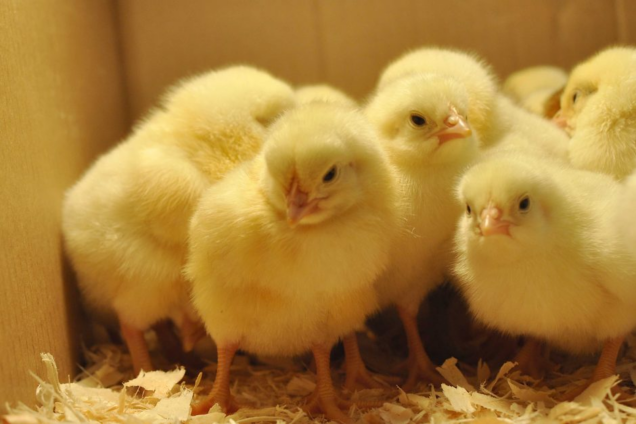
The programme, launched in 2025, was designed to support large scale household and backyard poultry farming nationwide. Government targets indicate that about three million birds are expected to be distributed to between 55,000 and 60,000 households across the country. So far, more than 720,000 birds have reportedly been distributed to over 13,000 farmers.
At the heart of the criticism is the concern that simply distributing chicks is not enough to build a sustainable poultry economy. Global Media Foundation argues that the programme’s success should not be measured by the number of birds handed out but by the long term productivity and survival of poultry businesses created under the initiative.
This concern reflects a wider issue that has historically affected many agricultural intervention programmes across Africa. Governments often focus heavily on distribution and rollout numbers while underinvesting in extension services, disease control systems, feed supply chains, financing access, and post production market structures. Without these supporting systems, beneficiaries frequently struggle to maintain production after the initial support phase.
Poultry farming in Ghana faces several structural challenges beyond startup capital. Feed costs remain volatile, veterinary services are unevenly distributed, and access to cold chain infrastructure is limited in many rural communities. Farmers also face stiff competition from imported frozen chicken products, which are often cheaper due to subsidies and economies of scale from exporting countries.

Industry observers say any serious attempt to revive Ghana’s poultry industry must therefore go beyond symbolic interventions and tackle the full value chain. This includes hatcheries, feed production, processing facilities, transportation systems, and market access.
The concerns raised by GloMeF also highlight the growing importance of transparency and accountability in public sector programmes. The organisation has called for stronger beneficiary selection mechanisms and improved monitoring systems to ensure fairness and efficiency in distribution.
In recent years, questions surrounding politicisation and uneven access have affected public confidence in some state intervention programmes. Ensuring credible targeting mechanisms will likely be critical if the government wants to maintain trust and maximise impact.
The debate around “Nkoko Nkitinkiti” is unfolding against a broader backdrop of renewed attention on agriculture as a pillar of economic stability. With global food supply chains increasingly vulnerable to geopolitical tensions, climate shocks, and rising transportation costs, many African governments are prioritising food security and local production.
In Ghana, agriculture remains one of the country’s largest employers, particularly for young people and rural households. Yet the sector continues to struggle with low productivity, financing constraints, and limited industrialisation. Poultry has long been viewed as one of the fastest sectors capable of generating employment while reducing import dependence.
If implemented effectively, the programme could support rural incomes, improve protein availability, and stimulate related industries such as feed manufacturing and agro processing. But experts argue that sustainability will depend on whether the initiative evolves from a politically attractive distribution exercise into a properly structured agricultural development programme.

The foundation’s recommendations include expanding veterinary and technical extension support, strengthening evaluation systems, improving transparency, and creating stronger poultry value chain linkages to ensure long term sustainability.
Ultimately, the success or failure of “Nkoko Nkitinkiti” may become a test case for Ghana’s broader agricultural transformation agenda. The programme carries strong economic potential, but potential alone will not solve the country’s poultry deficit. Execution, consistency, and institutional support will determine whether it becomes a lasting solution or another ambitious policy that struggled under weak implementation.
Gov’t Rolls Out Procurement for ‘Nkoko Nkitinkiti’ Poultry Initiative