

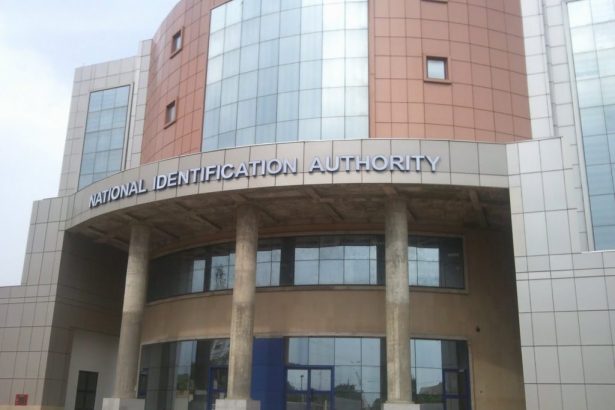
Workers of the National Identification Authority under the Public Services Workers’ Union have reaffirmed their decision to embark on an indefinite nationwide strike starting Wednesday, May 13, 2026, escalating tensions within one of Ghana’s most critical public institutions.
The decision comes despite a last-minute appeal by management of the National Identification Authority, which had requested a two-week grace period to address the concerns raised by staff. Union leaders, however, have rejected the request, insisting that previous engagements and assurances have failed to produce tangible results, leaving workers with no option but to withdraw their services.
The strike threatens to disrupt operations linked to the Ghana Card, a central pillar of the country’s digital identity infrastructure. The authority plays a critical role in national identification, financial inclusion, SIM registration, and access to public services, meaning any prolonged shutdown could have ripple effects across multiple sectors of the economy.

At the core of the dispute are longstanding grievances related to working conditions, remuneration, and delays in the implementation of agreed service conditions. Workers argue that these issues have persisted for years, despite repeated negotiations and commitments from management and relevant government agencies. According to union representatives, the decision to proceed with an indefinite strike reflects frustration over what they describe as a pattern of delays and unfulfilled promises.
The Public Services Workers’ Union has maintained that the strike is not a sudden reaction but the culmination of a prolonged process of engagement that has failed to yield meaningful outcomes. From their perspective, granting additional time without concrete guarantees would only extend a cycle of inaction.
Management of the National Identification Authority had earlier appealed for restraint, arguing that a temporary extension would allow space to finalise discussions and avoid disruption to essential services. The request for a two-week window suggests that negotiations may have reached an advanced stage, but not enough to satisfy labour demands.
This standoff highlights a recurring challenge within Ghana’s public sector, where industrial actions often emerge from delayed implementation of agreements rather than absence of dialogue. In many cases, negotiations are initiated and even concluded in principle, but execution lags due to bureaucratic processes, funding constraints, or administrative bottlenecks.

The potential impact of the strike is significant. The Ghana Card has increasingly become a mandatory requirement for accessing banking services, registering SIM cards, and interacting with various state institutions. Any interruption in NIA operations could delay new registrations, card replacements, and verification processes, affecting individuals and businesses alike.
Beyond immediate service disruption, the situation also raises broader questions about the sustainability of Ghana’s digital transformation agenda. National identification systems are foundational to modern governance, enabling everything from tax collection to social protection programmes. Weaknesses in institutional capacity or labour relations within such agencies can undermine progress in these areas.
The government now faces a narrow window to intervene and prevent escalation. Historically, last-minute negotiations involving the Ministry of Employment and Labour Relations or other high-level stakeholders have played a role in resolving similar disputes. Whether such intervention will succeed in this case remains uncertain, particularly given the firm stance taken by the union.
There is also a reputational dimension to consider. Industrial action in a key institution like the National Identification Authority can affect public confidence in state systems, especially at a time when digital identity is being positioned as a cornerstone of national development.

For workers, however, the issue is more immediate and practical. Without improved conditions and clear timelines for implementing agreements, the incentive to continue negotiations without action appears limited. This reflects a broader trend where labour groups are increasingly willing to resort to strikes as a means of enforcing accountability.
As the May 13 deadline approaches, attention will shift to whether management and government authorities can present concrete proposals capable of reversing the decision. If not, Ghana could face disruptions that extend beyond administrative inconvenience into economic and social impact.
The outcome of this dispute will likely set a precedent for how similar conflicts are handled within the public sector, particularly in institutions central to the country’s digital and administrative infrastructure.
Labour Minister urges CLOGSAG to suspend strike, promises government action