

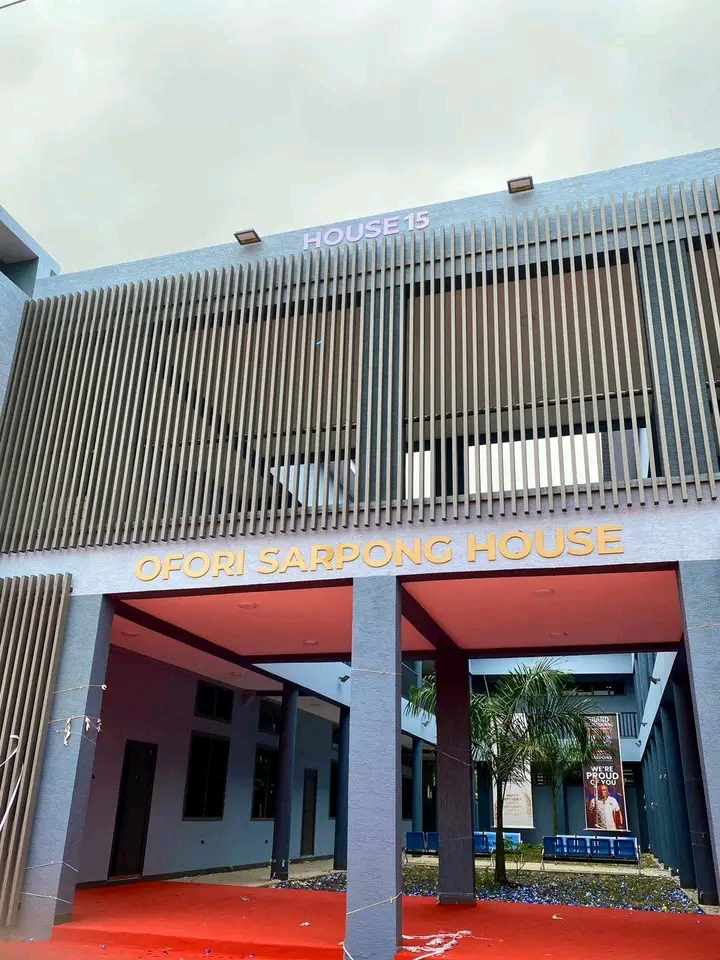
The Ghana Education Service has received a major infrastructure boost following the donation of a 600-bed dormitory facility by businessman and philanthropist Ernest Ofori Sarpong to Presbyterian Boys’ Secondary School.
The donation, described as a significant intervention in Ghana’s secondary education space, is expected to ease accommodation pressure in one of the country’s most prestigious senior high schools, while supporting broader national efforts to expand access to quality education.
Dr Ofori Sarpong, an old student of the school, currently serves as Board Chairman of PRESEC Legon and Global President of its Alumni Association. His contribution reflects a growing trend among alumni networks taking active roles in shaping the development of their former institutions.
The newly constructed dormitory facility is set to address one of the most pressing challenges facing many public secondary schools in Ghana—overcrowding in boarding houses. With increasing enrolment driven by policies such as free secondary education, infrastructure expansion has struggled to keep pace with demand, resulting in congestion that affects student comfort and overall learning conditions.

By adding 600 new bed spaces, the facility will significantly improve living conditions for students, reduce pressure on existing infrastructure, and create a more conducive environment for academic and personal development. Education authorities say such interventions are critical to sustaining gains made in access to education while maintaining quality standards.
The Ghana Education Service commended Dr Ofori Sarpong for what it described as an exemplary act of giving back, noting that the donation aligns with national priorities to improve educational infrastructure through collaborative partnerships.
Officials emphasised that while government continues to invest in school facilities across the country, the scale of demand requires complementary support from private individuals, corporate bodies, and alumni associations. In this context, contributions like the PRESEC dormitory are seen not just as isolated acts of generosity but as part of a broader ecosystem of shared responsibility.
Old students’ associations have increasingly become influential stakeholders within Ghana’s education sector. Beyond infrastructure, their contributions span scholarships, mentorship programmes, curriculum support, and governance roles, helping schools remain competitive and relevant in a rapidly evolving educational landscape.

The involvement of alumni is particularly important in elite institutions like Presbyterian Boys’ Secondary School, where strong networks and institutional pride often translate into sustained investment. Such engagement not only benefits current students but also strengthens the long-term legacy and reputation of the school.
From a policy perspective, the donation highlights the importance of public-private collaboration in addressing systemic challenges within education. While government remains the primary provider of public education, partnerships with non-state actors can accelerate development, introduce innovation, and improve efficiency in resource allocation.
Management of the Ghana Education Service has assured both the donor and the public that measures will be put in place to ensure the proper maintenance and optimal use of the facility. Effective management of such infrastructure is critical to preserving its value and ensuring that it continues to serve future generations of students.
The assurance also speaks to a broader concern often raised about public infrastructure—sustainability. Without consistent maintenance and accountability, even well-intentioned investments can deteriorate over time. Education authorities say they are committed to working closely with school leadership and stakeholders to prevent such outcomes.

For Dr Ofori Sarpong, the donation is both a personal and symbolic gesture. It reflects gratitude for the formative role the school played in his life while reinforcing the idea that success carries a responsibility to give back. His contribution is likely to inspire similar initiatives from other alumni, particularly at a time when schools across Ghana are seeking innovative ways to bridge infrastructure gaps.
The development also underscores the enduring bond between schools and their alumni, a relationship that continues to evolve from passive affiliation to active partnership. As Ghana’s education system navigates increasing demand and rising expectations, such collaborations will remain central to delivering inclusive, high-quality learning environments.
Ultimately, the new dormitory at Presbyterian Boys’ Secondary School stands as a tangible example of how collective effort can drive meaningful change. It reinforces the idea that improving education is not solely the responsibility of government but a shared mission involving individuals, institutions, and communities working together toward a common goal.

