

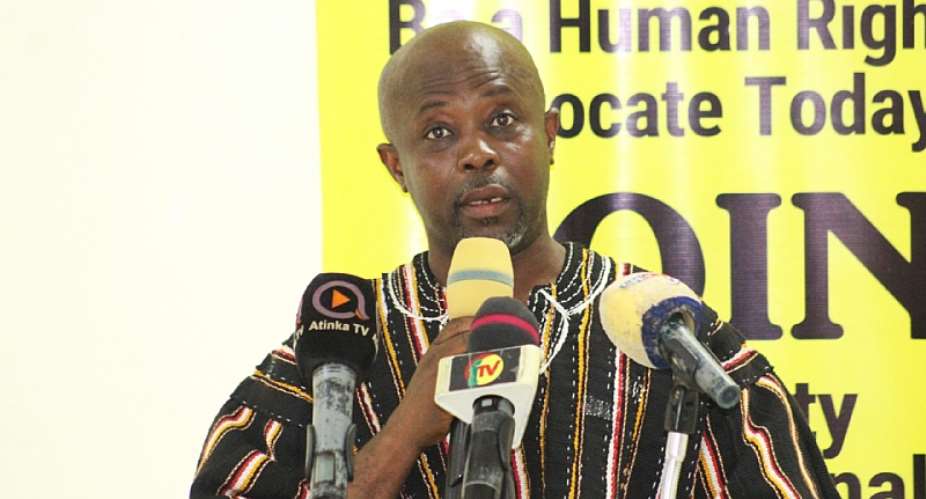
Amnesty International has reiterated its strong opposition to Ghana’s proposed Anti-LGBTQ+ legislation in its current form, warning that key provisions of the bill pose serious threats to fundamental human rights and civil liberties.
The rights group’s position adds to a growing wave of international scrutiny surrounding the legislation, officially known as the Promotion of Proper Human Sexual Rights and Ghanaian Family Values Bill. While supporters of the bill argue that it reflects cultural and moral values widely held within Ghanaian society, critics insist that its provisions could undermine constitutional freedoms and expose vulnerable groups to discrimination and abuse.
According to Amnesty International, the bill, as currently structured, goes beyond regulating conduct and risks criminalising identity, expression, and even advocacy. The organisation has consistently argued that laws of this nature may violate international human rights standards to which Ghana is a signatory, including protections related to freedom of expression, association, and privacy.
The group has raised particular concern about clauses that could impose penalties not only on individuals who identify as LGBTQ+, but also on those who support or advocate for their rights. Amnesty warns that such provisions could create a chilling effect, discouraging civil society organisations, journalists, and even healthcare providers from engaging in legitimate work for fear of legal consequences.

This stance aligns with broader concerns expressed by other global institutions and advocacy groups, which have urged Ghanaian authorities to reconsider aspects of the legislation. Critics argue that the bill, if passed in its current form, could affect Ghana’s international standing, particularly in areas such as diplomatic relations, foreign investment, and development partnerships where human rights considerations increasingly play a role.
Supporters of the bill, however, maintain that it is necessary to preserve societal values and protect what they describe as Ghanaian cultural identity. The debate has therefore evolved into a complex intersection of law, culture, religion, and international norms, with strong opinions on both sides.
The Ghanaian government has not been uniform in its approach to the bill. While some political leaders have expressed support for its objectives, others have called for careful review to ensure alignment with constitutional provisions. The legislative process itself has been marked by delays, consultations, and legal scrutiny, reflecting the sensitivity and significance of the issue.
From a legal standpoint, analysts point out that any law passed must ultimately withstand constitutional interpretation. Ghana’s constitution guarantees fundamental human rights, and any legislation perceived to infringe upon these rights could face challenges in court. This raises the possibility that even if passed, aspects of the bill may be subject to judicial review.

The intervention by Amnesty International also highlights the growing influence of global human rights frameworks in domestic policymaking. While Ghana retains sovereignty over its laws, its commitments under international treaties mean that domestic legislation is often evaluated against global standards.
Beyond the legal and diplomatic implications, the debate has also exposed deeper societal tensions. Issues surrounding sexuality, identity, and cultural values remain highly sensitive in many parts of Ghana, and public discourse has often been polarised. Advocacy groups on both sides continue to mobilise support, shaping the national conversation.
For policymakers, the challenge lies in balancing these competing pressures. On one hand, there is strong domestic backing for legislation perceived to uphold cultural norms. On the other, there are legal obligations and international expectations that demand protection of individual rights and freedoms.

As discussions continue, the position of Amnesty International signals that the bill will remain under close global observation. Whether lawmakers choose to amend, delay, or proceed with the legislation in its current form will likely have lasting implications for Ghana’s legal landscape and international relations.
The outcome of this debate will not only define the future of the bill but also reflect how Ghana navigates the intersection of cultural identity and human rights in an increasingly interconnected world.
