

The Ministry of Foreign Affairs has formally petitioned the African Union to place the issue of xenophobic attacks in South Africa on the agenda of its upcoming high level meeting, escalating diplomatic pressure for a coordinated continental response.
In an official communication dated May 6, 2026, Ghana’s Foreign Minister Samuel Okudzeto Ablakwa urged the African Union to treat the recurring violence against African nationals in South Africa as a matter of urgent continental concern.
The request seeks inclusion of the issue at the Eighth Mid Year Coordination Meeting of the African Union scheduled to take place from June 24 to 27, 2026, in El Alamein, Egypt.
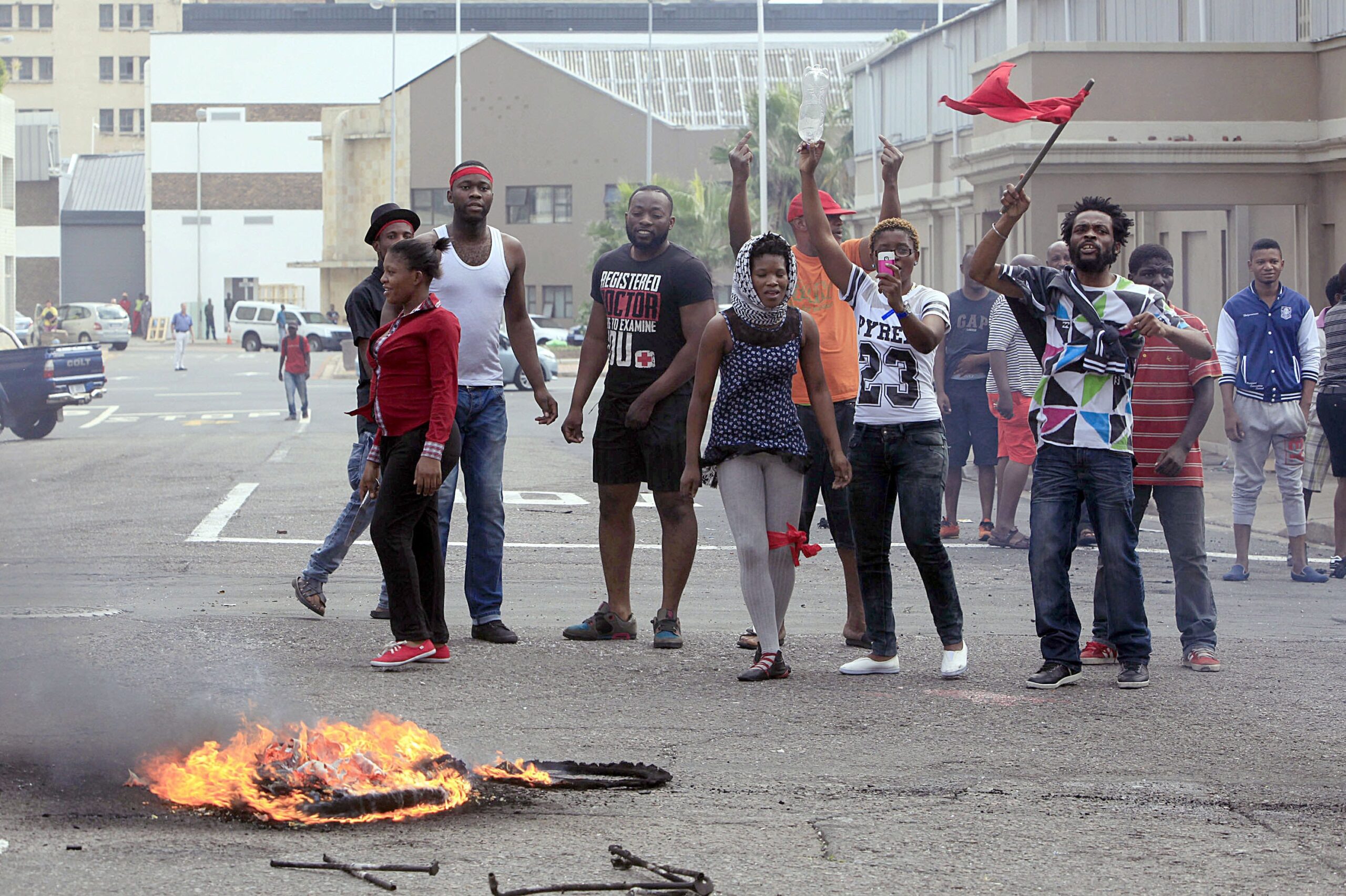
Ghana’s position reflects growing unease across the continent over repeated outbreaks of xenophobic violence in South Africa, incidents that have led to loss of lives, destruction of businesses, and heightened insecurity for foreign nationals, many of whom are African migrants.

The letter highlights that these attacks are not isolated but part of a troubling pattern that has persisted over recent years, raising questions about safety, accountability, and the broader implications for African unity.
Accra’s concerns go beyond immediate security risks. The government argues that such acts undermine the foundational principles of Pan Africanism and continental solidarity, values that shaped Africa’s collective struggle against colonialism and apartheid.
The reference to historical solidarity is deliberate. Ghana points to the support African countries, including itself, extended to South Africa during its anti apartheid struggle, framing the current situation as a contradiction of that shared legacy.
While acknowledging South Africa’s sovereignty and its responsibility to maintain law and order within its borders, Ghana’s intervention signals that the issue has outgrown a purely domestic lens and now carries continental significance.
The government further argues that xenophobic attacks violate the African Charter on Human and Peoples’ Rights, to which South Africa is a signatory, placing the issue within a legal and institutional framework rather than just a political one.
Additionally, Ghana warns that the violence risks undermining key economic integration efforts, particularly the African Continental Free Trade Area, which depends on the free movement of people, goods, and services across borders.
The concern is straightforward. If African nationals cannot move or operate safely within other African states, the vision of a unified continental market becomes significantly harder to achieve.
To address the situation, Ghana has proposed a set of measures for consideration by the African Union. These include formally listing the issue on the meeting agenda, strengthening monitoring mechanisms to ensure member states uphold their obligations, and establishing a fact finding mission to investigate the root causes of the violence.
The government is also calling for dialogue and reconciliation initiatives aimed at promoting tolerance, inclusion, and renewed commitment to continental unity.
At the core of Ghana’s argument is a broader philosophical stance rooted in Pan African ideals. The letter invokes Kwame Nkrumah, emphasising the belief that Africa’s progress is inseparable from its unity.


The message is clear. Xenophobia is not just a national issue but a threat to Africa’s collective future.
The timing of Ghana’s intervention is significant. Reports of renewed violence targeting foreign nationals in South Africa have reignited debate across the continent, prompting countries such as Nigeria to take precautionary measures, including evacuation plans for their citizens.
Ghana’s diplomatic move signals a shift toward multilateral engagement, seeking a structured, continent wide response rather than isolated national reactions.
Whether the African Union will adopt the proposal and implement the recommended measures remains to be seen. However, the submission marks a decisive step in elevating the issue to the highest level of continental governance.
As Africa continues to push for deeper integration and economic cooperation, the handling of xenophobia will serve as a critical test of its commitment to unity, shared values, and the protection of its people across borders.
South Africa orders arrests over attacks on Ghanaians amid rising xenophobia tensions