


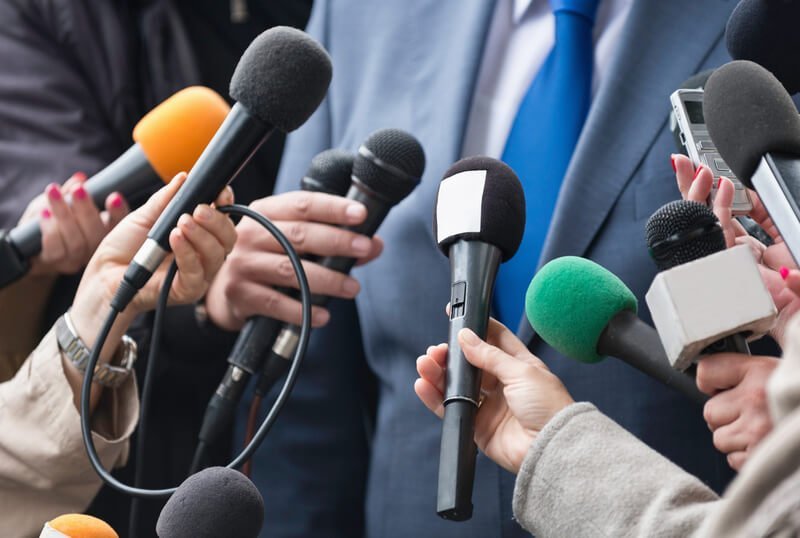
Ghana has recorded its strongest performance in five years on the global press freedom scale, rising to 39th position worldwide and placing 4th in Africa, according to the latest report by Reporters Without Borders.
The improvement marks a notable shift in the country’s media environment, reversing recent stagnation and positioning Ghana once again among the continent’s leading examples of relative press openness. The annual World Press Freedom Index assesses countries based on factors such as media independence, legal framework, safety of journalists, and access to information.
Ghana’s rise in the rankings reflects a combination of regulatory stability, active media participation, and a generally pluralistic information landscape. The country has long been regarded as one of Africa’s more vibrant media spaces, with a mix of state-owned and private outlets operating across radio, television, print, and digital platforms.

Analysts say the latest ranking suggests improvements in areas such as journalist safety and institutional protections, although challenges remain. Issues including occasional political pressure, legal threats, and economic constraints facing media organisations continue to shape the operating environment for journalists.
Across Africa, Ghana’s 4th-place ranking places it behind only a handful of countries that have maintained consistently high press freedom standards. This regional positioning strengthens Ghana’s reputation as a relatively open democratic space, particularly in comparison to countries where media restrictions and censorship remain significant concerns.
Globally, the 39th position signals that while Ghana performs well within its region, there is still room for improvement when measured against top-ranking countries. The global index continues to highlight increasing pressures on journalism worldwide, including misinformation, political interference, and financial instability within the media industry.

The report from Reporters Without Borders also underscores a broader trend: press freedom is facing growing challenges in many parts of the world, making gains like Ghana’s more significant in context. Countries that improve their rankings often do so through deliberate policy efforts, stronger legal protections, and sustained advocacy for media rights.
Media experts in Ghana have welcomed the development but caution against complacency. They argue that maintaining and improving this position will require continued commitment from government institutions, civil society, and media stakeholders to uphold freedom of expression and protect journalists from threats or harassment.
The economic sustainability of media houses is another critical factor. As audiences increasingly shift online, traditional revenue models have been disrupted, putting pressure on news organisations to adapt while maintaining editorial independence. This transition is shaping how press freedom is experienced in practice, beyond legal protections.

For policymakers, the improved ranking offers both recognition and responsibility. It highlights progress made while reinforcing the need to address persistent gaps, particularly in areas such as legal reforms, journalist welfare, and the enforcement of existing protections.
For the public, the ranking serves as a reminder of the role a free press plays in democratic governance. Access to reliable information, investigative journalism, and diverse viewpoints remains essential for accountability and informed decision-making.
Ghana’s latest position in the index ultimately reflects a media environment that, while not without its challenges, continues to demonstrate resilience and openness in a rapidly evolving global information landscape.
Power belongs to the people: Speaker Bagbin reminds naysayers