

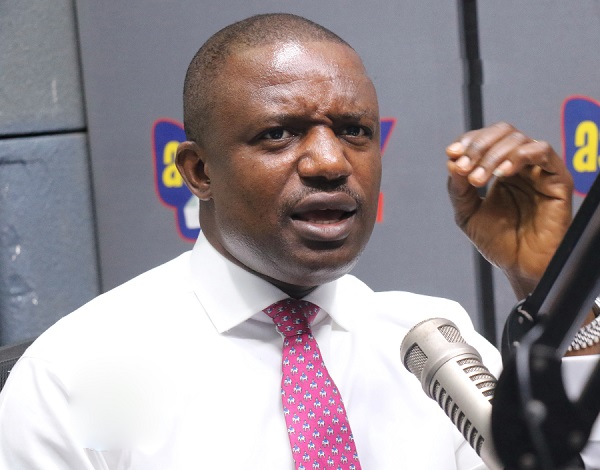
Ghana’s energy sector is undergoing a significant leadership shake up after Energy Minister John Abdulai Jinapor directed the Chief Executive Officer of Ghana Grid Company, Mark Awuah Baah, to step aside.
The directive marks one of the most high profile interventions in the country’s power sector in recent months and signals a broader restructuring effort aimed at addressing persistent challenges in electricity transmission and distribution.
In a parallel move, the minister has also ordered major leadership changes within the Ashanti Regional operations of the Electricity Company of Ghana. The changes are expected to affect operational management in one of the country’s most critical electricity distribution zones, which serves a large population and industrial base.
While official reasons for the decisions are yet to be fully detailed, the developments come amid ongoing concerns over power supply stability, operational inefficiencies, and customer dissatisfaction. Ghana’s power sector has in recent years faced recurring pressure over outages, financial constraints, and infrastructure limitations, prompting calls for stronger oversight and accountability.

Minister Jinapor is scheduled to hold a major press briefing at 2pm on Monday, April 27, where he is expected to outline the rationale behind the decisions and provide clarity on the government’s next steps. The briefing is likely to address broader issues within the sector, including electricity distribution challenges and potential reforms.
The directive for the GRIDCo CEO to step aside suggests a possible review of leadership performance at the highest level of the transmission system. GRIDCo plays a central role in managing the national electricity grid, ensuring power generated from plants is transmitted efficiently across the country. Any disruption or inefficiency at this level has direct implications for nationwide power supply.
Similarly, the restructuring within ECG’s Ashanti Region points to operational concerns at the distribution level, where power is delivered to homes, businesses, and industries. Issues such as technical losses, billing inefficiencies, and service reliability have often been highlighted as areas needing urgent improvement.
Industry observers say the timing of the shake up is critical. Ghana is navigating increasing energy demand driven by population growth, industrial activity, and digital expansion. At the same time, financial pressures within the sector continue to affect the ability of institutions to invest in infrastructure upgrades and maintenance.
There is also a growing expectation for reforms that go beyond leadership changes. Analysts argue that while restructuring can signal intent, lasting improvements will depend on systemic reforms, including better revenue collection, investment in grid modernization, and stronger regulatory enforcement.
The upcoming press briefing is expected to provide insight into whether the government plans to introduce broader policy measures alongside the leadership changes. Key questions include whether new management appointments will be made immediately, how accountability will be enforced, and what timelines are set for improving service delivery.

For consumers, the immediate concern remains the reliability of power supply. Any instability in leadership at key institutions like GRIDCo and ECG has the potential to affect operations, even in the short term. However, if managed effectively, the shake up could also create an opportunity to reset performance standards and improve efficiency.
The developments underscore a renewed focus on governance within Ghana’s energy sector, with the government appearing to take a more assertive stance in addressing operational shortcomings. The outcome of these changes will likely shape public confidence in the sector and determine how effectively Ghana can meet its growing energy needs.