


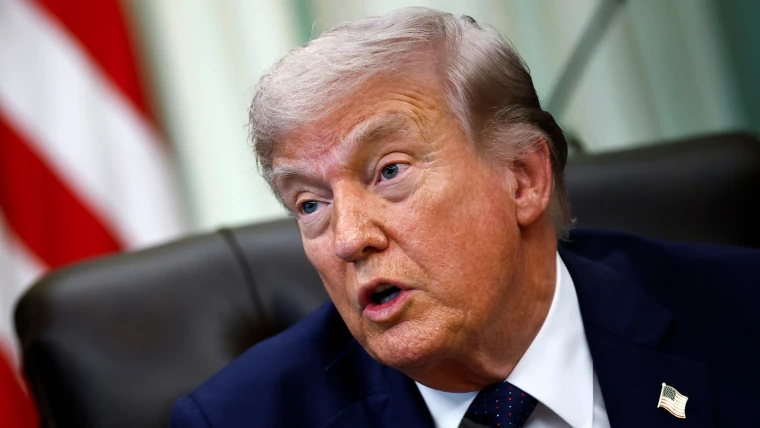
US-Iran peace talks collapse is rapidly emerging as one of the most consequential geopolitical developments of 2026, with direct implications for energy markets, inflation trends, and global business confidence. The decision by Donald Trump to cancel diplomatic engagement with Tehran has effectively stalled negotiations, leaving tensions between the United States and Iran unresolved and increasingly volatile.
With Iran maintaining a hardline stance and Washington stepping back from talks, the standoff now extends beyond diplomacy into economic territory. Energy prices have already surged to multi-year highs, reflecting fears of prolonged disruption in global oil supply chains.
US-Iran Peace Talks Collapse Deepens Energy Market Pressure
The US-Iran peace talks collapse is placing immediate strain on global energy markets, particularly due to Iran’s strategic position near the Strait of Hormuz, a critical corridor for oil and liquefied natural gas shipments. With Tehran tightening control over this route and Washington maintaining restrictions on Iranian exports, supply constraints are intensifying.
For businesses, especially in manufacturing, transport, and logistics, rising fuel costs translate directly into higher operating expenses. Airlines, shipping firms, and energy-intensive industries are among the first to feel the impact, often passing increased costs down the supply chain.
This dynamic reinforces inflationary pressures at a time when many economies are still navigating post-inflation recovery phases.
Beyond oil markets, the US-Iran peace talks collapse is feeding into broader macroeconomic instability. Higher energy prices tend to push up headline inflation, complicating central bank efforts to stabilise prices. Economies that rely heavily on imported fuel, particularly in Africa and Asia, are especially exposed.

Currency markets are also reacting. Oil-importing countries often experience depreciation pressures as demand for foreign exchange rises to cover higher import bills. Conversely, oil-exporting nations may see temporary gains, though these are often offset by geopolitical uncertainty.
For businesses, this creates a dual challenge: managing cost volatility while navigating unpredictable exchange rates. Hedging strategies and pricing adjustments become critical tools in this environment.
US-Iran Peace Talks Collapse and Business Strategy
The US-Iran peace talks collapse is forcing companies to rethink risk exposure and supply chain resilience. Firms with global operations are increasingly factoring geopolitical scenarios into their planning, particularly those dependent on Middle Eastern trade routes.
Supply chain diversification, already accelerated by recent global disruptions, is likely to intensify. Businesses may seek alternative sourcing routes, increase inventory buffers, or relocate production closer to end markets to mitigate risks associated with prolonged instability.
Financial institutions are also adjusting. Banks may tighten lending criteria for sectors heavily exposed to energy price shocks, while investors shift toward defensive assets perceived as more resilient during geopolitical stress.
Rising Costs and Economic Uncertainty
For households, the US-Iran peace talks collapse translates into tangible economic pressure. Higher fuel prices typically lead to increased transportation costs, which then feed into food prices and general cost of living.
In many countries, particularly those with limited subsidies, consumers may face higher electricity tariffs and increased costs for essential goods. This erodes purchasing power and can slow consumer spending, a key driver of economic growth.
At the same time, uncertainty surrounding global conflicts often dampens consumer confidence. Households may delay major purchases or increase savings as a precaution, further influencing economic activity.
Regional and Geopolitical Spillovers
The breakdown in negotiations comes amid escalating regional tensions, including military activity involving Benjamin Netanyahu and broader instability across the Middle East. These developments increase the risk of a wider conflict, which would have far-reaching consequences for global trade and investment flows.
The US-Iran peace talks collapse also highlights the limits of diplomatic mediation efforts, despite involvement from regional actors such as Pakistan. Without a clear pathway to de-escalation, markets are likely to remain sensitive to any developments, including military actions or further economic sanctions.
What This Signals for the Global Economy
The US-Iran peace talks collapse signals a shift toward a more fragmented and risk-prone global economic environment. For policymakers, it underscores the difficulty of balancing geopolitical strategy with economic stability. For businesses, it reinforces the need for agility and risk management in an increasingly uncertain world.
Energy markets will remain a key transmission channel for these risks, influencing inflation, interest rates, and growth prospects. Central banks may face renewed pressure to keep monetary policy tight, even as growth slows, a challenging trade-off.
Ultimately, the US-Iran peace talks collapse is not just a diplomatic setback; it is a catalyst for wider economic consequences that affect markets, businesses, and households alike. As tensions persist, the global economy must adapt to a landscape where geopolitical risk is no longer a background factor but a central driver of financial and operational decision-making.
Read also: Trump Iran talks spark market relief