

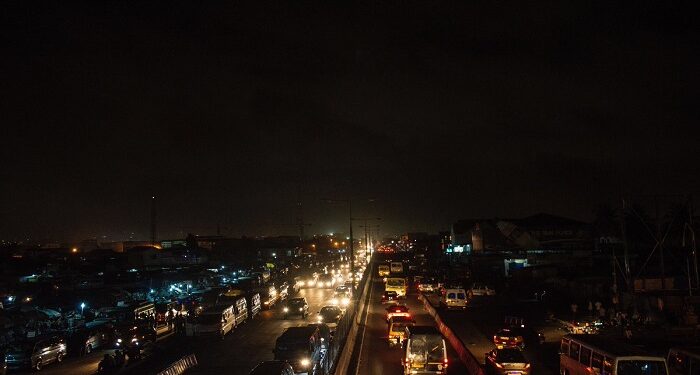
Ghana could lose up to US$2 billion annually if the country fails to address the recurring power outages popularly known as “dumsor,” the Africa Sustainable Energy Centre (ASEC) has warned, raising fresh concerns about the economic cost of unreliable electricity supply.
The warning comes at a time when intermittent power supply has once again resurfaced in parts of the country, sparking anxiety among businesses and households already grappling with high operating costs and economic uncertainty. According to ASEC, the financial impact of persistent outages could be severe, with losses cutting across key sectors including manufacturing, services, and small businesses.
The term dumsor, which literally means “off and on” in Akan, has long been associated with Ghana’s power supply challenges and has historically carried significant economic consequences. Past studies have shown that unreliable electricity can shave off substantial portions of national output, disrupt productivity, and increase the cost of doing business.

ASEC’s latest projection builds on this historical pattern, suggesting that the current situation, if left unresolved, could escalate into a major economic setback. Businesses, particularly those in manufacturing and agro-processing, rely heavily on consistent power to maintain operations. When outages occur, companies are forced to resort to expensive backup solutions such as diesel generators, significantly increasing production costs and reducing competitiveness.
Small and medium-sized enterprises are often the hardest hit. Many lack the financial capacity to invest in alternative power sources, meaning downtime directly translates into lost revenue. Previous estimates have shown that Ghana has suffered hundreds of millions of dollars in annual losses due to power instability, with daily losses running into millions during peak crisis periods.
The broader economic implications go beyond immediate business losses. Persistent power outages can discourage foreign direct investment, as investors typically seek stable operating environments. Inconsistent electricity supply also affects industrial growth, limits job creation, and slows down overall economic expansion.
ASEC’s warning highlights the urgency of structural reforms in Ghana’s energy sector. Analysts have long pointed to a combination of challenges behind the recurring dumsor episodes, including financial constraints within the energy value chain, fuel supply issues, aging infrastructure, and inefficiencies in power distribution.
In recent years, concerns have also been raised about mounting debts within the sector, which have affected the ability of power producers to maintain operations and secure adequate fuel supplies. These financial pressures have, at times, contributed directly to power generation shortfalls and subsequent outages.
The economic cost of dumsor is not limited to businesses alone. Households also bear the burden through increased living costs, damaged appliances, and reduced quality of life. In critical sectors such as healthcare, unreliable power can have life threatening consequences, especially in facilities that depend on continuous electricity for equipment and patient care.

Energy experts argue that addressing the crisis requires a comprehensive approach. This includes improving financial sustainability in the power sector, investing in infrastructure upgrades, diversifying energy sources, and enhancing efficiency in transmission and distribution systems.
There is also growing emphasis on renewable energy as part of the long-term solution. Ghana has made progress in expanding its renewable energy portfolio, but scaling up these efforts remains crucial to reducing dependence on traditional power sources and improving supply stability.
ASEC’s projection serves as a stark reminder of what is at stake. While Ghana has made strides in stabilizing its power sector in recent years, the re-emergence of outages suggests that underlying vulnerabilities persist.
If decisive action is not taken, the country risks not only immediate financial losses but also long-term damage to its economic trajectory. The challenge now lies in translating policy intentions into concrete results that ensure reliable and sustainable power for both businesses and households.