

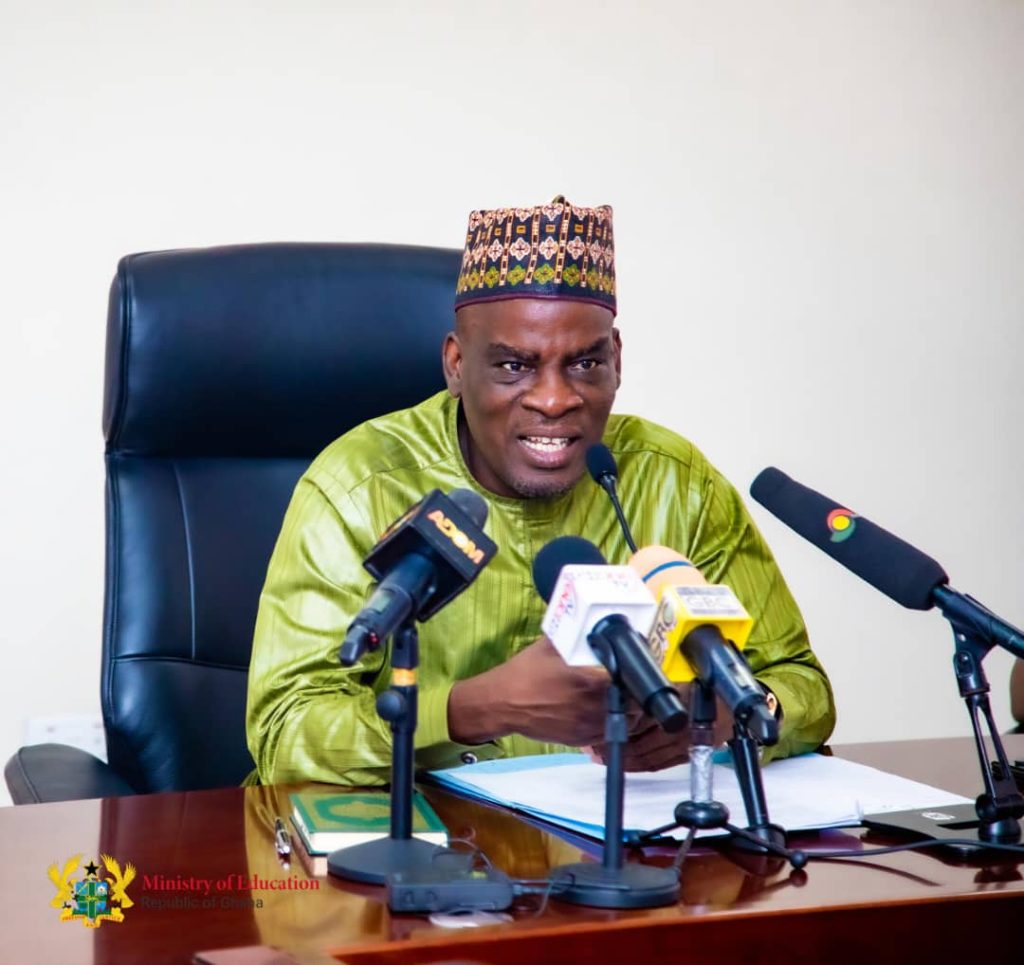
Ghana’s public education sector is set for relief as the Ghana Education Service (GES) moves to clear long-standing salary arrears owed to newly recruited teachers under a structured four-month payment plan approved by government authorities.
The arrears, which accumulated between August 2024 and November 2025, cover a 16-month period during which many teachers worked without consistent pay. Approval from the Ministry of Finance has now paved the way for the release of funds through the Controller and Accountant General’s Department.
Under the arrangement, affected teachers will receive their outstanding salaries in instalments spread across four months, from May to August 2026. Each tranche will cover approximately four months’ worth of arrears, a structure GES says is designed to ensure “efficiency, accuracy, and transparency” in the disbursement process.
The move follows months of mounting pressure on the government to resolve payment delays that have disrupted livelihoods and triggered protests among newly posted teachers. Thousands of recruits—particularly from the 2024 cohort—had faced prolonged delays in being placed on the mechanised payroll system, a recurring challenge within Ghana’s public sector.

Officials say the phased approach is necessary to manage the fiscal burden while ensuring all eligible staff are paid within a defined timeline. In total, the arrears settlement represents a significant financial commitment by the state, reflecting both the scale of the backlog and the urgency of addressing it.
The government’s approval signals a broader effort to restore confidence within the education sector, where delayed salaries have long been a source of frustration and declining morale. Analysts note that resolving these arrears is critical not only for teacher welfare but also for maintaining stability in Ghana’s education system.
However, the decision to stagger payments instead of issuing a lump sum may still draw mixed reactions. While it provides certainty and a timeline, it also means affected teachers will continue to wait several months before receiving full compensation for work already completed.
Beyond the immediate relief, the development raises deeper questions about structural inefficiencies in Ghana’s public payroll system. Delays in processing financial clearance, documentation inconsistencies, and bureaucratic bottlenecks have repeatedly contributed to similar crises in recent years.

GES has indicated that steps are being taken to prevent a recurrence, including improving coordination with the Ministry of Finance and strengthening payroll integration processes. The success of these reforms will be closely watched, particularly as new batches of teachers continue to enter the system.
For now, the four-month payment plan represents a critical intervention—one that aims to resolve a long-standing issue while highlighting the need for more sustainable administrative reforms in Ghana’s public sector.
GES convenes emergency meeting after deadly Accra Newtown school collapse