

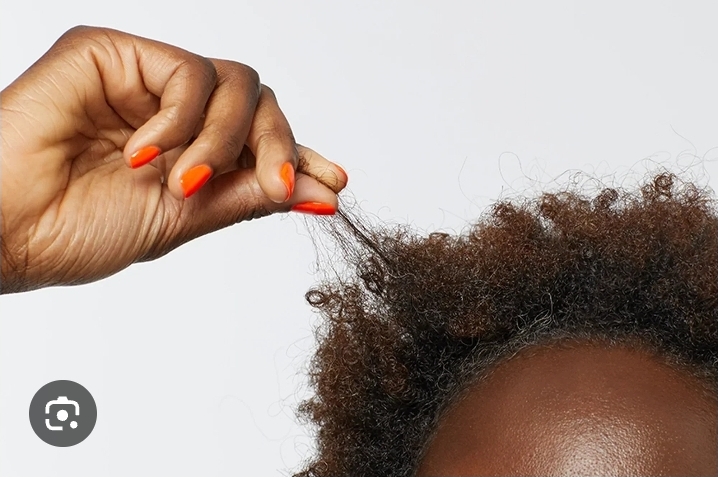
Hair breakage is not a sudden event. It is the result of repeated small damage from how hair is handled, dried, styled, and moisturised every day. Experts consistently point out that most breakage comes from mechanical stress, dryness, and poor handling practices rather than a single product or treatment. Building a consistent routine focused on gentle care and moisture retention is one of the most effective ways to reverse it over time.
One of the most important daily habits is gentle detangling. Hair is at its weakest when wet, which means aggressive combing or brushing at that stage increases the risk of snapping strands. The safer method is to apply conditioner or a leave in product to add slip, then use fingers or a wide tooth comb, starting from the ends and slowly working upward. This reduces pulling force on the roots and prevents unnecessary breakage during styling. Research based hair care guidance consistently emphasises this bottom up approach as one of the simplest protective techniques for fragile strands .
Another critical routine is controlling moisture levels. Dry hair becomes brittle and loses elasticity, making it more prone to breaking under even light tension. Hydration does not mean soaking hair daily, but rather maintaining a balance through light moisturising products such as water based leave ins, creams, or sprays. For textured hair types especially, sealing that moisture with a light oil helps reduce water loss and keeps strands flexible. Studies on hair health repeatedly show that maintaining moisture improves hair elasticity and reduces breakage over time .

A third daily habit is reducing friction throughout the day and night. Friction is a silent destroyer of hair strands. It happens when hair rubs against cotton pillowcases, rough towels, clothing, or even constant hand manipulation. Over time, this wears down the outer protective layer of the hair, leading to split ends and snapping. Switching to satin or silk coverings at night and gently blotting hair with a soft towel instead of rubbing are small changes that significantly reduce this damage. Experts widely recommend low friction materials as a standard protective measure for healthier hair retention .
The fourth habit is limiting tension from styling. Tight ponytails, heavy braids, constant slicking, or repeated pulling at the same areas of the scalp can weaken the hair shaft and even damage follicles. This is often called traction stress and is one of the most overlooked causes of gradual thinning and breakage. Wearing looser styles, changing parting directions, and giving hair regular breaks from tension styles allows the scalp and strands to recover. Hair specialists consistently advise low tension styling as a preventive strategy for long term strength .
The fifth habit is maintaining scalp health as part of daily care. A healthy scalp creates the foundation for stronger strands. When product buildup, sweat, or excess oil accumulates, it can block follicles and weaken new growth, leading to fragile hair. Light cleansing routines, occasional scalp massage, and avoiding heavy product layering help maintain a balanced environment for hair growth. Experts note that scalp care is just as important as strand care because poor scalp condition directly affects hair strength and resilience over time .

In reality, preventing hair breakage is not about doing more. It is about doing less damage consistently. The biggest improvements come from reducing rough handling, maintaining steady moisture, avoiding unnecessary tension, and minimising friction. These are not complex techniques, but they require discipline and consistency.
Hair responds slowly, not instantly. With time, these daily habits build stronger strands, better length retention, and visibly healthier texture. The difference is not magic. It is maintenance done right.