

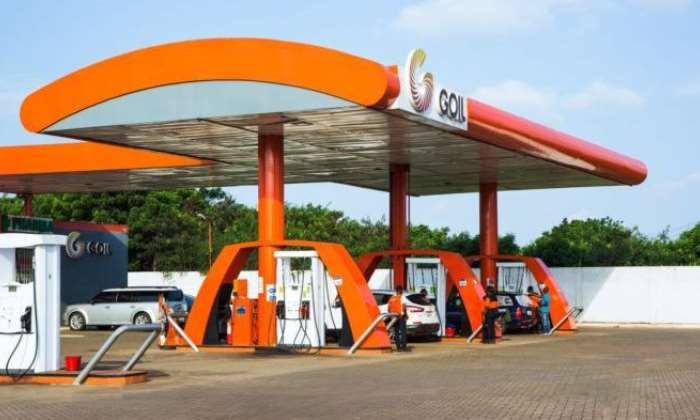
The Group Managing Director of Ghana Oil Company Limited (GOIL), Edward Bawa, has given a firm assurance that fuel supply Ghana will remain stable despite escalating tensions and potential disruptions in the Middle East. Speaking during GOIL Pride Day celebrations at the company’s 37 filling station in Accra, Bawa emphasised that GOIL is deliberately absorbing part of the global price shocks to protect consumers and prevent any shortage of petroleum products across the country.
This commitment to maintaining reliable fuel supply Ghana comes at a critical time when geopolitical conflicts threaten global oil flows, particularly through the Strait of Hormuz, raising fears of higher import costs and possible supply constraints for import-dependent nations like Ghana.
Why Fuel Supply Ghana Matters

Reliable fuel supply Ghana is foundational to the smooth functioning of the entire economy. Petroleum products power transportation, industry, agriculture, and electricity generation. Any disruption or sharp price spike can trigger cascading effects, from higher transportation costs and inflated food prices to reduced industrial output and weakened consumer spending.
Bawa’s assurance is significant because Ghana relies heavily on imported refined petroleum products. With the ongoing Middle East crisis potentially driving up crude oil prices and freight costs, the risk of shortages or unaffordable pump prices is real. By absorbing part of the margin pressure, GOIL is shielding the market from immediate volatility and demonstrating corporate responsibility in a strategic sector.
The statement also reinforces public confidence in local oil marketing companies. In an environment where panic buying and hoarding can quickly worsen supply situations, clear communication from major players like GOIL helps maintain stability and prevents artificial shortages.
Fuel Supply Ghana Impact on Businesses
Businesses across multiple sectors stand to benefit from GOIL’s proactive stance on fuel supply Ghana. Transportation and logistics companies, which consume large volumes of diesel, can operate with greater certainty, avoiding costly disruptions or sudden price surges that erode profit margins. Manufacturers and miners, many of whom rely on diesel-powered generators during power outages, will face less pressure on energy costs.
Agriculture and food distribution businesses are particularly sensitive to fuel prices, as higher costs quickly translate into increased prices for farm inputs and transportation of produce. Stable fuel supply Ghana helps keep these costs predictable, supporting food security and moderating inflation in essential goods.
For GOIL itself and other oil marketing companies, the decision to share margins with consumers may reduce short-term profitability but can strengthen brand loyalty and market share in the long run. It also sets a positive example of public-private cooperation in managing national energy security during global crises.
How Fuel Supply Ghana Affects Households
Households are the ultimate beneficiaries when fuel supply Ghana remains stable and affordable. Reliable access to petrol and diesel keeps transportation costs in check, directly affecting the price of food, goods, and services that families purchase daily. In a country where many rely on taxis, tro-tros, and motorbikes for commuting, sudden fuel shortages or price spikes can severely disrupt livelihoods and increase living expenses.
By cushioning consumers from the full impact of international price fluctuations, GOIL’s approach helps preserve household purchasing power. This is especially important for low- and middle-income families who spend a large proportion of their income on transport and food. Stable fuel prices also support small businesses operated from homes, such as food vending or tailoring, which depend on affordable energy and mobility.
Furthermore, GOIL Pride Day activities, which engage customers and staff nationwide, reinforce a sense of national ownership and trust in local companies. When households feel assured that essential fuel will be available without panic or exorbitant prices, it reduces anxiety and supports overall economic confidence.
Strategic Importance and Future Outlook
Edward Bawa’s assurance reflects a broader strategic mindset at GOIL, balancing commercial viability with national responsibility. By taking a deliberate hit on margins during this period of global uncertainty, the company is prioritising supply security and consumer welfare over short-term gains.
Looking ahead, sustained fuel supply Ghana will depend on diversified import sources, strategic stockpiling, and continued investment in local refining capacity. The ongoing Middle East crisis serves as a reminder of Ghana’s vulnerability as a net importer, underscoring the need for long-term measures such as expanding the Tema Oil Refinery and promoting alternative energy sources.
In conclusion, GOIL’s firm commitment to uninterrupted fuel supply Ghana amid the Middle East crisis is both timely and reassuring. For businesses, it means operational stability and predictable costs. For households, it translates into protection against sharp increases in living expenses and greater peace of mind. As global energy markets remain volatile, proactive steps by key players like GOIL will be crucial in safeguarding Ghana’s economy and the daily welfare of its citizens.
Fertilizer trade crisis: Iran war threatens Africa’s food security