


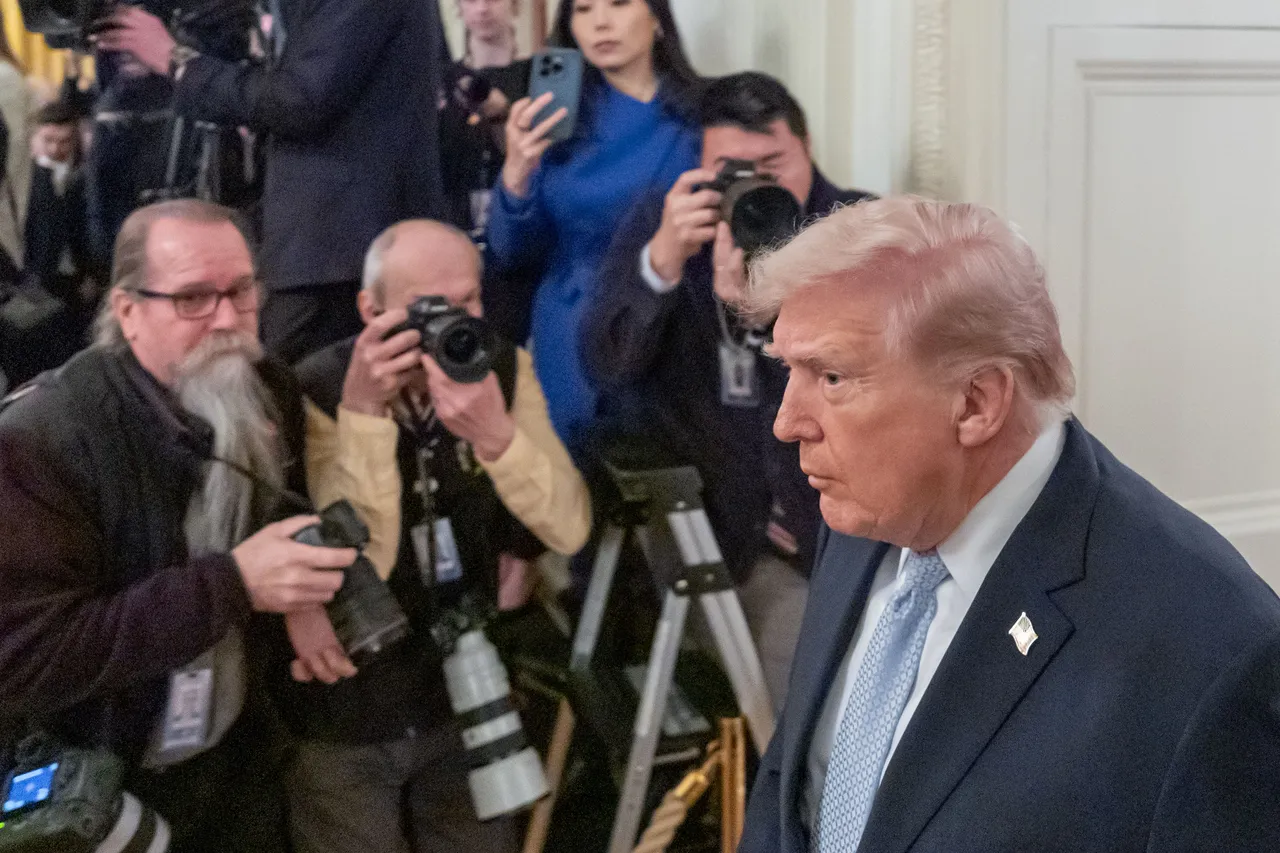
President Trump postpones strikes on Iranian power plants following productive talks with Iran. Insight Explains why Trump Iran talks matter for global energy markets and their impacts on businesses and households worldwide. US President Donald Trump has directed the Defense Department to suspend planned airstrikes on Iranian power plants and energy infrastructure for five days, citing “very good and productive conversations” with Tehran. This temporary halt, announced via Truth Social, follows three weeks of intense US-Israeli military operations against Iran and comes after Trump issued a 48-hour ultimatum for Iran to reopen the Strait of Hormuz, a critical chokepoint for roughly one-fifth of global oil and LNG flows.
The Trump Iran talks represent a potential turning point in the escalating Middle East crisis. Trump emphasized that further progress depends on the success of ongoing discussions, signaling cautious optimism after earlier threats of decisive action against Iranian facilities if the Strait remained blocked. Markets responded swiftly: Brent crude dropped 13% to around $96 per barrel, UK gas prices eased from 159p to 139p per therm, the FTSE 100 recovered to a 0.5% gain after an earlier 2% decline, and 10-year UK gilt yields fell from 5.121% to 4.89%.
Why Trump Iran Talks Matter Now
The Trump Iran talks carry immediate significance for global energy stability. The ongoing conflict has already damaged over 40 energy assets across nine Middle Eastern countries, according to International Energy Agency Executive Director Fatih Birol, raising concerns about prolonged supply disruptions even after hostilities end. Iran’s threats to target regional infrastructure, including water systems and facilities linked to US interests, had heightened fears of broader escalation.
By pausing strikes, the Trump Iran talks offer breathing room to de-escalate tensions and potentially restore navigation through the Strait of Hormuz. A sustained blockade or further attacks on energy infrastructure could have triggered severe supply shocks, pushing oil prices well above $100 per barrel for extended periods and amplifying inflationary pressures worldwide. The temporary reprieve has calmed trader nerves, reversing earlier risk premiums and demonstrating how diplomatic signals from Washington can quickly influence commodity and financial markets.
Trump Iran Talks Impact on Businesses
Businesses with exposure to energy costs or global supply chains stand to benefit from the Trump Iran talks. Lower oil and gas prices directly reduce operating expenses for transportation, manufacturing, aviation, and shipping companies. In energy-intensive sectors such as chemicals, cement, and steel, the relief from potential price spikes preserves profit margins and supports planning continuity.
Importers and exporters reliant on Middle East routes gain from reduced fears of prolonged Strait disruptions, avoiding costly rerouting via longer paths like the Cape of Good Hope. Refineries, petrochemical plants, and utilities can adjust procurement strategies with greater confidence, while stock markets in energy-dependent economies rebound as investor sentiment improves. For businesses in oil-importing nations, the Trump-Iran talks help contain input cost inflation, enabling steadier pricing and investment decisions amid otherwise volatile conditions.
How Trump Iran Talks Affect Households
Households feel the effects of the Trump Iran talks primarily through fuel and utility bills. The sharp retreat in Brent crude and natural gas prices translates into potential moderation, or at least a pause, in pump prices and heating costs in many countries. In regions where fuel levies or pass-through mechanisms exist, consumers could see short-term relief at the petrol station and in electricity or gas charges.
Broader inflationary pressures from energy shocks are tempered, protecting purchasing power for groceries, transport, and other essentials where costs often rise with fuel. In developing economies reliant on imported energy, stabilized prices help shield lower-income families from sudden spikes that erode disposable income. While the five-day window is limited, successful Trump Iran talks could pave the way for longer-term price stability, reducing economic anxiety and supporting consumer confidence during an uncertain period.
Outlook After Trump Iran Talks
The Trump Iran talks remain conditional on continued progress, and any breakdown could quickly reverse market gains. Iran’s warnings of retaliatory strikes on shared infrastructure underscore the fragility of the moment. Yet the decision to delay attacks reflects a preference for negotiation over immediate escalation, potentially preserving critical energy assets and buying time for diplomatic channels.
For global markets, the episode highlights the outsized influence of US policy decisions on energy pricing. As the IEA warns of lingering supply chain risks from existing damage, sustained de-escalation through Trump Iran talks will be essential to prevent prolonged disruptions.
In summary, President Trump’s postponement of strikes following productive discussions offers a welcome de-risking moment in a high-stakes conflict. The Trump Iran talks deliver immediate market relief, ease cost pressures for businesses, and provide households with breathing room from energy-driven inflation, outcomes that underscore the real-world stakes of diplomacy in today’s interconnected energy landscape.
Bank of Ghana cuts policy rate to 14% amid easing inflation and global uncertainty