


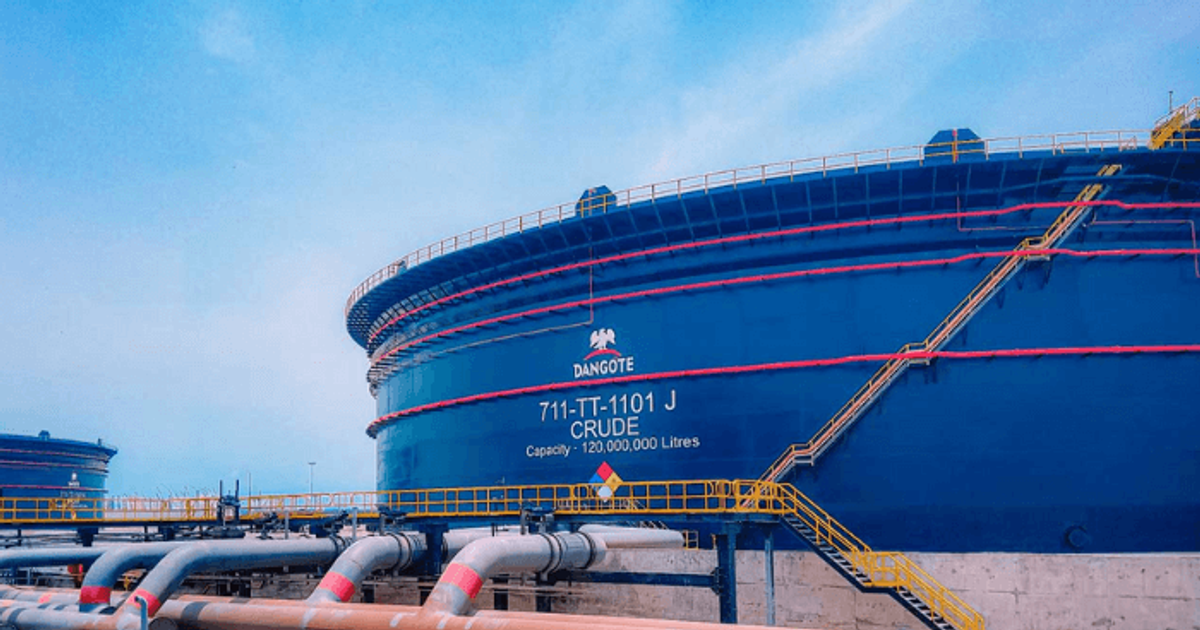
Dangote Petroleum Refinery exports 456,000 tonnes of fuel to five African nations amid global disruptions. Insight Explains why Dangote fuel exports matter for energy security and their impacts on businesses and households across the continent. The Dangote Petroleum Refinery has delivered a major boost to regional energy security by exporting 456,000 tonnes of refined petroleum products, equivalent to roughly 608 million litres, to five African countries: Côte d’Ivoire, Cameroon, Tanzania, Ghana, and Togo. These shipments, comprising 12 cargoes sold on a Free on Board basis through international traders, represent the refinery’s expanding role in supplying high-quality Premium Motor Spirit (petrol) and diesel since achieving full production capacity of 650,000 barrels per day in February 2026.
Dangote fuel exports mark a pivotal shift as geopolitical tensions in the Middle East, including threats around the Strait of Hormuz, continue to disrupt traditional supply routes from Europe and the Gulf. By stepping in as a closer, more reliable source, the refinery helps shorten supply chains, reduce transit risks, and shield importers from volatile global crude prices and shipping bottlenecks.
Why Dangote Fuel Exports Matter Amid Global Turmoil
Historically, many African nations have depended on distant suppliers for refined fuels, exposing them to long delivery times, higher freight costs, and sudden shortages during crises. The Dangote refinery’s output of Euro V-standard products, cleaner, higher-quality fuels, addresses quality gaps in markets long accustomed to lower-grade imports. This development strengthens intra-African trade, aligns with continental goals for self-reliance, and positions Nigeria as a strategic energy hub.
The timing is critical: with ongoing conflicts elevating oil price risks, Dangote fuel exports provide a buffer that mitigates inflationary pressures from imported energy. For recipient countries like Ghana and Togo in West Africa, Cameroon in Central, and Tanzania in East, access to Nigerian-sourced supplies diversifies options and enhances resilience against external shocks.
Dangote Fuel Exports Impact on Businesses
Businesses stand to gain substantially from Dangote fuel exports. In importing nations, more stable and potentially competitive fuel availability supports uninterrupted operations for transport companies, manufacturers, and logistics firms heavily reliant on diesel. Construction and agriculture sectors, which consume large volumes for machinery and transport, face fewer disruptions and possibly moderated costs over time as regional supply stabilizes.
The refinery’s scale enables consistent volumes, reducing the need for costly stockpiling or emergency sourcing. Local distributors and traders benefit from shorter lead times and reduced exposure to international freight volatility. In Nigeria, the export drive generates foreign exchange inflows, bolsters the economy, and frees up domestic refining capacity indirectly, though local prices have risen due to global crude trends, prompting government pushes toward alternatives like Compressed Natural Gas.
How Dangote Fuel Exports Affect Households
Households in the beneficiary countries experience indirect but meaningful relief from Dangote fuel exports. Reliable fuel supply helps contain transport cost spikes that otherwise inflate food prices, critical in nations where road haulage dominates goods movement. In Ghana, for instance, steadier diesel availability supports farming inputs and market deliveries, easing pressure on staple costs.
Cleaner Euro V fuels contribute to better air quality over time, potentially lowering health-related expenses from pollution. While short-term price fluctuations persist due to global factors, the shift to regional sourcing reduces the severity of pass-through effects from distant disruptions, preserving purchasing power for essentials. In Nigeria, despite domestic price surges to around N1,500 per litre in some areas, the refinery’s success underscores long-term energy security benefits that could eventually moderate costs through increased supply and policy support.
Building a Pan-African Energy Network with Dangote Fuel Exports
Dangote fuel exports signal deeper integration in African energy markets. As volumes grow, the refinery is poised to expand penetration across West, Central, and East Africa, fostering a pan-continental network anchored in Nigeria. This not only diversifies supply but also encourages investment in related infrastructure like storage and pipelines.
For Nigeria, the initiative enhances energy independence by cutting fuel import bills, stabilizing the naira through export revenues, and elevating the country’s global standing in energy diversification. Foreign Affairs Minister Yusuf Tuggar has highlighted this role in stabilizing supplies during crises.
In essence, the Dangote refinery’s export milestone transcends commercial success, it’s a strategic response to global uncertainty. By delivering substantial volumes of quality fuel to five nations, Dangote fuel exports promote stability, efficiency, and self-reliance, delivering tangible advantages to businesses through operational continuity and to households through moderated living costs and improved energy access.
Inga 3 Hydropower talks revived for 5,000MW South Africa deal