

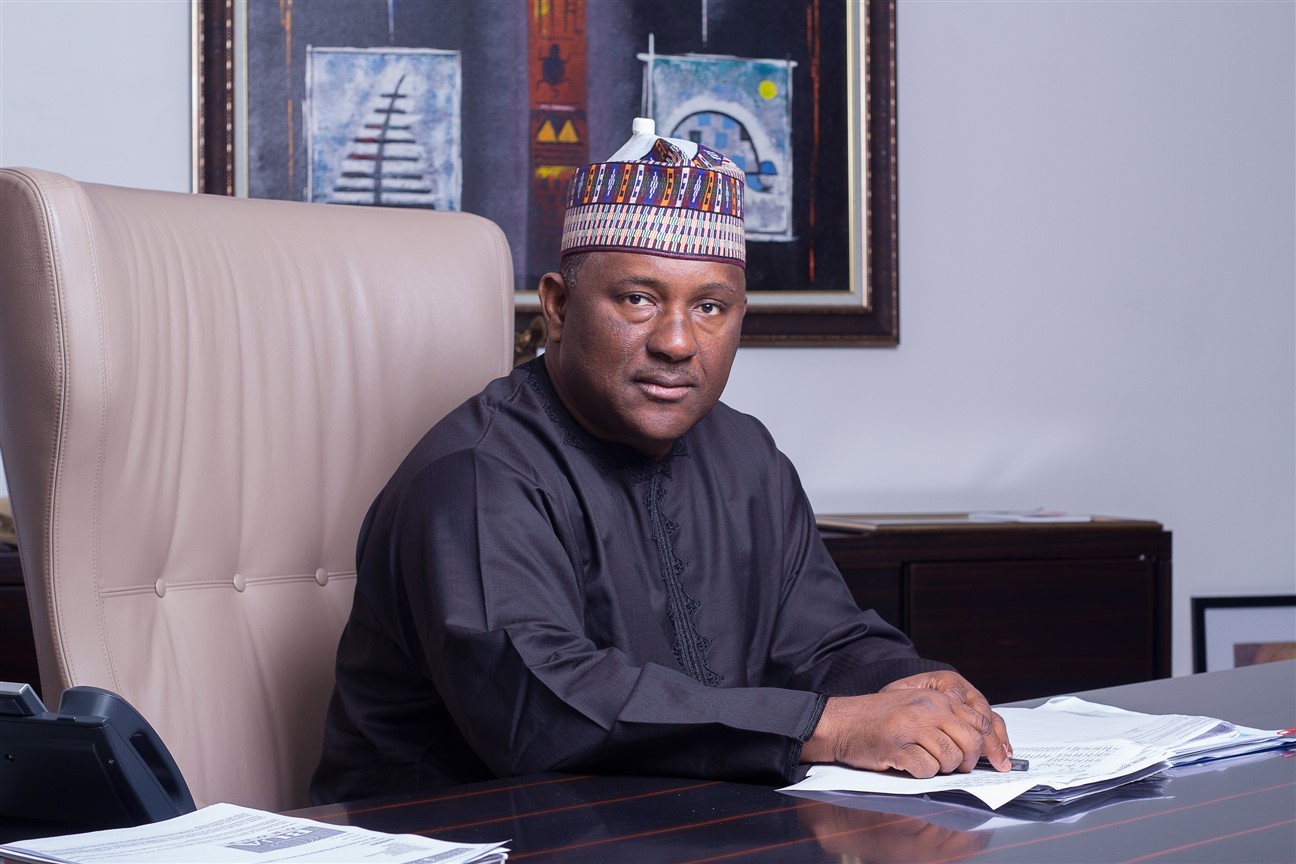
Nigerian industrialist Abdulsamad Rabiu, the country’s second-richest man, has seen his Rabiu net worth climb dramatically to $14.6 billion according to the Bloomberg Billionaires Index, marking a year-to-date increase of $4.47 billion. This rapid appreciation has propelled him to the third-richest position in Africa and 197th globally, surpassing figures like Egypt’s Naguib Sawiris and highlighting robust investor confidence in his BUA Group empire.
The surge in Rabiu net worth reflects strong performance across his core businesses, particularly BUA Cement and BUA Foods, amid Nigeria’s infrastructure boom and expanding consumer demand. Starting 2026 at around $10.4 billion, placing him fifth in Africa, Rabiu’s fortune grew steadily: hitting $11.3 billion in early February, $12.5 billion later that month, and continuing upward through strategic expansions and favorable market conditions.
Why Rabiu Net Worth Surge Matters
This escalation in Rabiu net worth signals vitality in Nigeria’s industrial sector, the continent’s largest economy. BUA Cement, Rabiu’s flagship, benefits from high demand in construction and public projects, with shares performing strongly and driving much of the wealth gain. BUA Foods has also expanded aggressively, securing partnerships for rice processing, animal feed production, and pasta lines to boost capacity and market share.
Such growth underscores broader trends: rising stock values on the Nigerian Exchange, government policies encouraging equity investments by pension funds, and resilience in key sectors despite economic challenges. For Nigeria, a billionaire like Rabiu adding billions in value boosts national prestige, attracts foreign partnerships, and demonstrates potential for large-scale industrial scaling, critical for job creation and GDP contribution in a country pushing diversification beyond oil.
Rabiu Net Worth Impact on Businesses
Businesses across Nigeria and the region feel ripple effects from Rabiu’s expanding Rabiu net worth and BUA’s momentum. BUA Cement’s planned push toward 20 million tonnes annual capacity through new lines in northern Nigeria intensifies competition while increasing supply for construction firms, potentially stabilizing cement prices and supporting infrastructure projects.
Partnerships with international players, like China’s SINOMA for cement, Switzerland’s Bühler for rice milling, Türkiye’s Viteral for feed mills, and Italy’s FAVA for pasta, bring technology transfers, efficiency gains, and export potential. Local suppliers, transporters, and contractors benefit from heightened activity, creating opportunities in supply chains. Overall, the BUA ecosystem fosters a more competitive industrial landscape, encouraging innovation and investment in manufacturing and agribusiness.
How Rabiu Net Worth Growth Affects Households
For ordinary households, the implications of Rabiu’s rising Rabiu net worth are mixed but largely positive through employment and economic activity. BUA operations employ thousands directly and indirectly in cement plants, food processing facilities, and related logistics, providing stable jobs in regions like Kano and Sokoto where opportunities remain limited.
Expanded food production from rice, pasta, flour, and animal feed could improve availability and potentially moderate prices for staples over time, easing household budgets strained by inflation. Infrastructure growth fueled by cement demand supports better roads, housing, and power, enhancing living standards and mobility.
However, rapid industrial scaling may raise short-term energy or transport costs in some areas, though BUA’s scale helps mitigate import reliance. As Rabiu’s wealth grows from productive enterprises rather than speculation, it contributes to broader prosperity through taxes, dividends (including substantial payouts from BUA Cement), and philanthropic efforts often tied to such fortunes.
Rabiu Net Worth and Nigeria’s Economic Trajectory
Rabiu’s ascent from fifth to third in Africa, joining Aliko Dangote among top Black billionaires on the continent, illustrates the rewards of strategic diversification and bold investment. His focus on backward integration, turning raw resources into finished goods, addresses Nigeria’s import dependencies and builds self-reliance.
While individual wealth concentration raises inequality questions, Rabiu’s model emphasizes large-scale employment and value addition, offering a blueprint for sustainable growth. As BUA targets leadership in food production by 2026 and beyond, the trajectory suggests continued upward pressure on Rabiu net worth and positive spillovers for the economy.
In summary, Abdulsamad Rabiu’s $4.47 billion wealth jump in 2026 is more than a personal milestone, it’s a barometer of industrial strength and investor optimism in Nigeria. By fueling expansions that create jobs, enhance supply chains, and support infrastructure, this rise in Rabiu net worth delivers tangible benefits to businesses and households alike, reinforcing the potential of homegrown conglomerates in Africa’s economic landscape.
World Bank commits US$3bn to Ghana to accelerate growth and job creation