


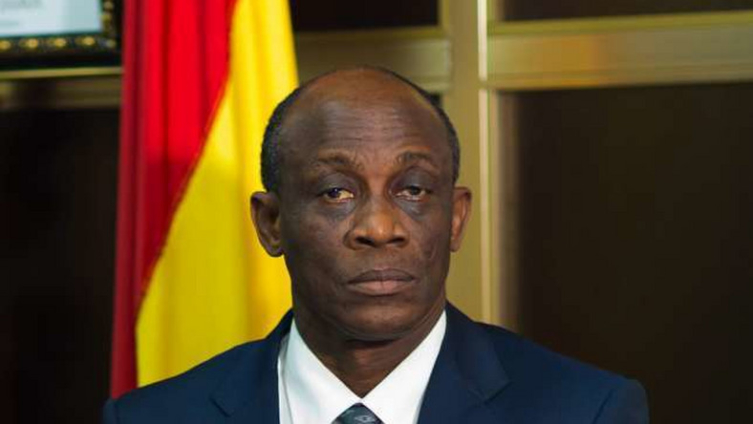
Former Finance Minister Seth Terkper has issued a strong call for Ghana to ready itself against economic shocks, warning that failing to do so could lead to significant economic setbacks. His remarks come at a crucial time when global events, particularly escalating tensions involving Iran, threaten to push up petroleum prices and ripple through the local economy.
Economic shocks are not a matter of if but when, according to the ex-minister. In any functioning economy, periods of stability are inevitably interrupted by crises, whether domestic or external. Terkper stressed this reality during a recent appearance on Joy News’ PM Express Business Edition, reminding listeners that commodity prices fluctuate beyond any single nation’s control.
This insight matters profoundly because Ghana’s economy is particularly vulnerable to external forces. As a net importer of petroleum products, the country relies heavily on global markets for its fuel supply. A sudden spike in crude oil costs could inflate local pump prices, driving up transportation expenses and, in turn, the cost of almost every good and service. Without adequate preparation, such economic shocks could weaken the cedi further, deplete foreign reserves used for imports, and fuel inflation that erodes the purchasing power of citizens.
Why Economic Shocks Demand Urgent Attention
The former finance chief pointed out that events like the potential Iran-related disruptions are unpredictable in timing but foreseeable in nature. He advised that policymakers must anticipate these economic shocks rather than react in panic once they strike. “You cannot run an economy for two to three years without one crisis or the other,” Terkper noted, underscoring the cyclical pattern of global markets where commodity prices rise and fall without warning.
Economists have long recognized this pattern and developed tools such as counter-cyclical policies to manage it. These policies mean building up resources during good times to deploy when the economy dips. For Ghana, implementing them effectively could mean the difference between weathering the storm and spiraling into prolonged hardship.
How Economic Shocks Hit Households Hard
For ordinary Ghanaians, the effects of economic shocks are immediate and deeply personal. Rising petroleum prices translate directly into higher costs for fuel used in private vehicles, commercial transport, and even backup generators during power outages. Households already struggling with daily expenses will see increased prices for food items transported across the country, as well as other essentials.
This chain reaction from economic shocks could lead to reduced disposable income, forcing families to cut back on non-essentials like schooling materials or medical care. In the worst scenarios, persistent economic shocks might push more people below the poverty line, particularly affecting low-income groups in both urban and rural areas who have limited buffers against price hikes.
The Ripple Effects on Businesses from Economic Shocks
Businesses across Ghana, from small vendors to large corporations, are set to feel the brunt of economic shocks. Higher fuel costs directly increase operational expenses for transportation of goods and energy consumption in factories. Importers of raw materials or finished products will face squeezed profit margins as the local currency depreciates in response to higher import bills.
Manufacturing and retail sectors may have no choice but to raise prices, which could reduce consumer demand and slow sales. Logistics companies and those in the transport industry might experience the most acute pain, potentially leading to layoffs or scaled-back operations. Overall, unchecked economic shocks could undermine investor confidence, deter foreign direct investment, and hinder the job creation needed for economic expansion.
Building Resilience to Withstand Economic Shocks
Terkper’s core message is one of proactive planning: preparation is essential to avoid paying a heavy price later. Ghana must strengthen its economic buffers immediately through sound fiscal management, including prudent use of any oil revenues. Investing in alternative energy sources like solar and hydro power would help reduce reliance on imported petroleum, thereby insulating the economy from global price volatility.
Adopting robust counter-cyclical strategies at both government and institutional levels is crucial. This involves creating sovereign wealth funds during periods of economic upswing and enhancing monetary policies to safeguard the cedi’s value. By doing so, the nation can mitigate the worst impacts of economic shocks and maintain a path toward sustainable growth.
In conclusion, the former minister’s warning serves as a timely wake-up call. Economic shocks are an inherent part of running any economy, but with foresight and strategic planning, Ghana can turn potential vulnerabilities into opportunities for resilience. Ignoring this advice risks repeating past mistakes, where external events dictate the nation’s fortunes rather than domestic preparedness steering the course.
Bank of Ghana cuts policy rate to 14% amid easing inflation and global uncertainty