

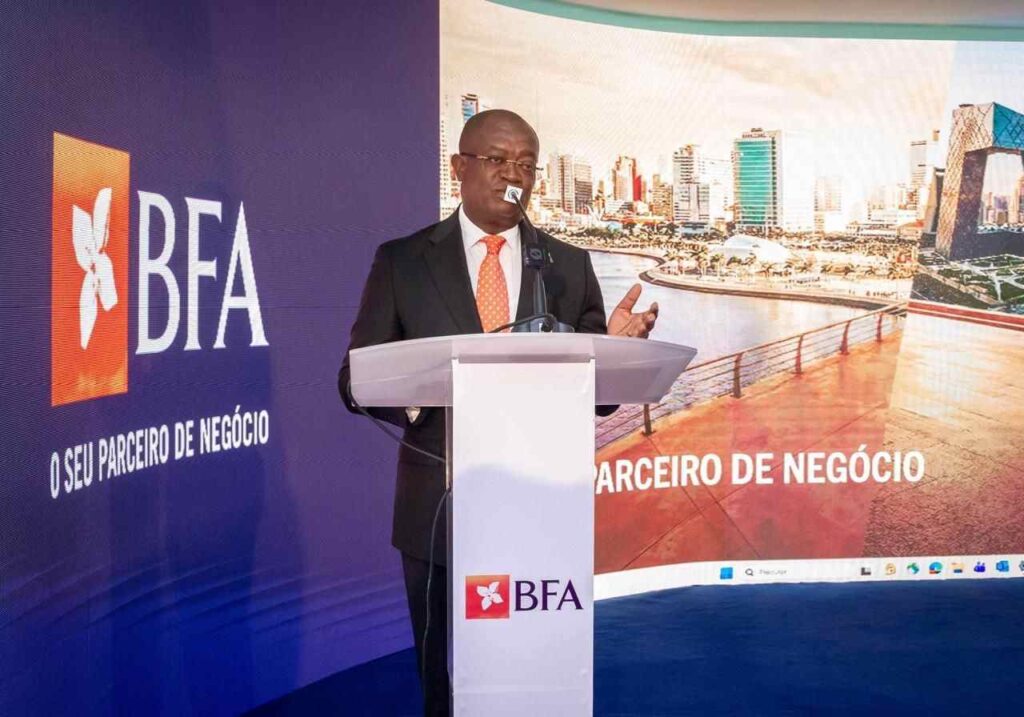
The International Finance Corporation, IFC, is considering a trade finance facility of up to 30 million dollars for Banco de Fomento Angola in a move aimed at strengthening cross border trade and improving access to international financing for businesses in Angola.
The proposed facility would be structured under the IFC’s Global Trade Finance Program, a mechanism designed to support banks in emerging markets by providing guarantees to international lenders. Rather than directly disbursing funds, the IFC would offer an unfunded guarantee line covering trade finance instruments such as letters of credit, with repayment periods of up to 360 days.
This structure allows international confirming banks to support transactions initiated by Banco de Fomento Angola while reducing the risks typically associated with lending in markets where financial systems are still developing. By leveraging its strong credit rating, the IFC effectively reassures foreign banks, making it easier for local institutions to access global trade finance channels.
The initiative comes at a time when Angola’s financial sector continues to face structural challenges, particularly in securing correspondent banking relationships and accessing dollar liquidity. These constraints have historically limited the ability of Angolan businesses to engage fully in international trade, increasing transaction costs and reducing competitiveness.

Trade finance plays a critical role in enabling companies to import goods and export products by bridging payment gaps between buyers and sellers in different countries. However, across Africa, access to such financing remains limited. Multilateral institutions estimate that the continent faces a trade finance gap exceeding 100 billion dollars, driven by tighter global banking regulations and heightened risk perceptions among international lenders.
In Angola, these challenges have been particularly pronounced since 2016, when major global banks reduced their direct involvement in the country’s financial system. The withdrawal of US dollar clearing services by institutions such as Deutsche Bank forced local banks to rely on intermediary institutions in Europe, increasing both the cost and complexity of international transactions.
Recent developments suggest a gradual improvement in the situation. Toward the end of 2025, JPMorgan resumed US dollar clearing services for Angolan banks, restoring a key financial link that had been disrupted for nearly a decade. Analysts believe that the IFC’s proposed guarantee facility could further strengthen this recovery by enhancing confidence in the country’s banking system.
Banco de Fomento Angola, headquartered in Luanda, is one of the country’s largest financial institutions, serving more than 3.4 million customers through a network of approximately 160 branches. The bank plays a central role in supporting both corporate and retail banking activities across the country.
Its ownership structure reflects strong regional and international ties. Major shareholders include telecom operator Unitel and Portugal’s Banco BPI, which is itself controlled by Spain’s CaixaBank. In September 2025, the bank listed nearly 30 percent of its shares on the Angolan stock exchange, attracting thousands of investors in what was considered a rare and significant public offering in the country’s relatively small capital market.
If approved, the IFC facility is expected to benefit a wide range of businesses, particularly small and medium sized enterprises that rely heavily on trade finance to operate. By reducing the perceived risk for international lenders, the guarantee could unlock new funding opportunities and support increased trade activity.

Beyond immediate financial benefits, the initiative also signals broader efforts to integrate Angola more deeply into the global financial system. Strengthening trade finance access is seen as a key step in improving economic resilience, diversifying exports and supporting sustainable growth.
Analysts say the success of the programme will depend on how effectively it is implemented and whether it can help rebuild long term relationships between Angolan banks and international financial institutions. If successful, it could serve as a model for similar interventions in other emerging markets facing comparable challenges.
As Angola continues to reform its financial sector and attract investment, initiatives such as the IFC’s proposed facility highlight the role of multilateral institutions in bridging gaps between local economies and global financial networks.
IFC Hosts Second Family Business Governance Workshop in Accra