

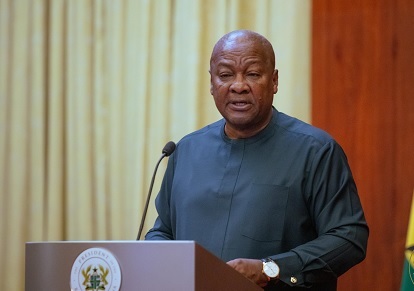
Government has lifted the temporary suspension on the sale and transaction of public lands, bringing an end to a restriction that had been in place for more than a year as authorities reviewed the country’s land administration system and introduced reforms aimed at strengthening transparency and accountability.
The ban was originally imposed in January 2025 following concerns over irregularities in the allocation and sale of state lands. President John Dramani Mahama directed the Lands Commission to halt all activities relating to the leasing, allocation and processing of transactions involving public lands while a comprehensive review was conducted. The move was intended to safeguard state property, address procedural breaches and prevent the undervaluation of public assets.
Government officials said the suspension allowed authorities to investigate thousands of land transactions across the country and identify weaknesses in how public lands had been managed over the years. A committee established to review the situation examined more than 8,000 lease applications submitted between 2017 and 2024 across Ghana’s sixteen regions. The review uncovered numerous cases where procedures were not properly followed, raising concerns about transparency and the potential misuse of state lands.
Following the review, the government introduced a series of reforms designed to tighten oversight of public land administration before allowing transactions to resume. Officials say the ban has now been lifted, but all future allocations, leases and sales of public lands must comply with stricter rules and enhanced verification procedures.

Under the new framework, the Lands Commission will be required to follow standardized procedures when processing applications for public land. Authorities have revised the national application system to eliminate inconsistencies across different regions and ensure that all requests are evaluated through a uniform process. The updated application system will also be digitized to improve transparency and reduce opportunities for manipulation within the land administration process.
A key component of the reforms is increased ministerial oversight over public land allocations. Government officials say no public land will be allocated without the prior written approval of the Minister for Lands and Natural Resources. The measure is intended to strengthen accountability and prevent unauthorized land transactions within the system.
Authorities have also introduced a new financial structure for leasing public lands. In the past, premiums paid for public land leases ranged between one percent and thirty percent of the property’s market value, a system officials say significantly undervalued state assets. Under the new policy, at least seventy percent of the assessed market value of public land must now be paid upfront as a premium, with the remaining portion spread over the lease period as ground rent.
In addition to pricing reforms, the government plans to publish reliable market value data for public land across the country. Officials believe that making valuation data publicly available will help ensure fair pricing and eliminate arbitrary assessments that previously led to disputes or undervalued transactions.

To protect state lands during the reform transition, authorities are also establishing a Public Land Protection Task Force made up of personnel from the Lands Commission, the Ghana Police Service and other relevant agencies. The task force will focus on preventing encroachment, stopping unauthorized developments and safeguarding public lands that are still under review.
Government officials have emphasized that the lifting of the ban should not be interpreted as a return to the previous system. Instead, the decision signals the start of a new approach to land governance aimed at restoring discipline and public confidence in how state lands are managed. All future transactions will be subject to strict oversight, digital verification processes and compliance with the revised procedures introduced during the reform process.
Public lands in Ghana are legally held in trust by the President on behalf of citizens and are intended to support national development, infrastructure projects and public services. Authorities say protecting these lands from misuse is critical to ensuring that they serve the broader interests of the country.
By lifting the suspension and implementing the new safeguards, the government hopes to strike a balance between enabling development and preventing corruption or abuse in land transactions. Officials say the reforms will help modernize Ghana’s land administration system while ensuring that public lands are managed responsibly for both current and future generations.
Tema Demolitions Could Influence 2028 Political Landscape, Labour Leader Warns