


Angola seeks $4.8 billion Chinese loan refinery for Lobito, the first major Beijing financing since 2017. Explore why this matters for energy independence, debt strategy, and impacts on businesses and households.
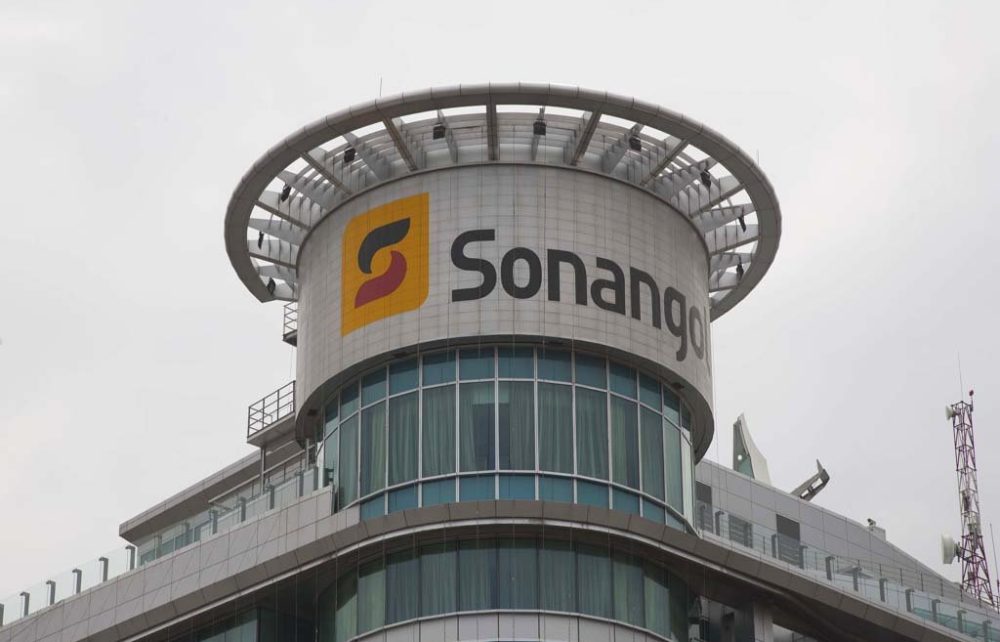
Angola is reopening the door to substantial Chinese financing with Sonangol’s pursuit of a $4.8 billion loan from Beijing institutions to fund the next phase of the Lobito refinery project. This marks the country’s first major borrowing push from China since 2017, signaling a pragmatic shift amid funding needs for a flagship infrastructure initiative.
Chinese Loan Refinery Targets Critical Next Phase
The Lobito refinery, valued at around $6.2–6.6 billion overall, is a government-designated strategic priority aimed at processing up to 200,000 barrels per day. Recent updates show the project at approximately 23% physical completion, with initial production now targeted for late 2027 rather than earlier estimates. Sonangol CEO Sebastiao Gaspar Martins confirmed the $4.8 billion targets essential downstream units and infrastructure, with a Sonangol delegation set to negotiate in Beijing in April. The Chinese contractor already involved in construction bolsters the case for aligned financing.

Crucially, unlike Angola’s historical oil-backed loans that tied repayments to crude exports, this Chinese loan refinery package will avoid such collateral. This departure reflects Luanda’s deliberate effort to reduce resource-secured debt exposure, which dropped nearly 25% last year from $10.1 billion to $7.73 billion. The move addresses lessons from past arrangements that amplified vulnerability to oil price volatility.
Why the Chinese Loan Refinery Push Matters Now
The Chinese loan refinery initiative comes against a backdrop of tightened global credit flows to Africa. Chinese lending, once dominant, has slowed sharply since 2019, accelerated by pandemic fallout and domestic priorities in Beijing. Recent analyses show African repayments to China outpacing new disbursements, creating gaps for megaprojects. For Angola, Africa’s top recipient of Chinese development finance historically, securing this facility could accelerate a transformative asset without reverting fully to old models.
The refinery promises to slash Angola’s heavy reliance on imported fuels, stabilize domestic supply, cut the import bill, and generate foreign exchange savings. Operational success would enhance energy security in a country where fuel shortages have periodically disrupted markets and inflated costs.
Chinese Loan Refinery Boosts Businesses and Industry
For businesses, a completed refinery funded partly by the Chinese loan refinery deal would lower and stabilize fuel procurement costs. Industries like mining, transport, manufacturing, and agriculture, major diesel and petrol consumers, stand to gain from reduced import dependency and more predictable pricing. Logistics firms could see operating margins improve with cheaper, locally refined products, while exporters benefit from better domestic energy reliability.
Construction and related sectors gain immediately: the project already supports thousands of jobs, and accelerated funding would sustain employment, stimulate local supply chains for materials and services, and spur ancillary infrastructure around Lobito port. Successful execution could attract further investment into Angola’s downstream oil sector, fostering diversification beyond raw crude exports.
How Chinese Loan Refinery Impacts Households
Households would feel the benefits through more affordable and consistent fuel access. Reduced import reliance means less exposure to global price spikes and currency fluctuations that drive up pump prices. Lower transport and goods costs could ease inflationary pressures on food, essentials, and daily commuting, critical in an economy where many families spend significant portions of income on energy.
Long-term, enhanced energy security supports broader economic stability, potentially freeing government resources for social programs, education, and health rather than fuel subsidies or emergency imports. However, risks remain: if the loan terms prove burdensome or project delays persist, added debt could strain public finances and indirectly affect household services.
Balancing Opportunity and Caution in Chinese Loan Refinery Strategy
This Chinese loan refinery bid underscores Angola’s balancing act, leveraging Beijing’s expertise and capital for strategic goals while safeguarding sovereignty over resources. Success hinges on transparent terms, robust project management, and integration with regional plans like potential refined products pipelines to neighbors.
If finalized, the deal could revive momentum on a long-delayed project, positioning Angola as a more self-sufficient oil player in southern Africa. For now, the outreach to China highlights both persistent funding challenges and evolving approaches to development finance in a tighter global environment. The outcome will influence not just barrels refined, but economic resilience for businesses and everyday living standards for Angolan households.
Dangote to build Africa’s largest detergent raw material plant as refinery reaches full capacity