

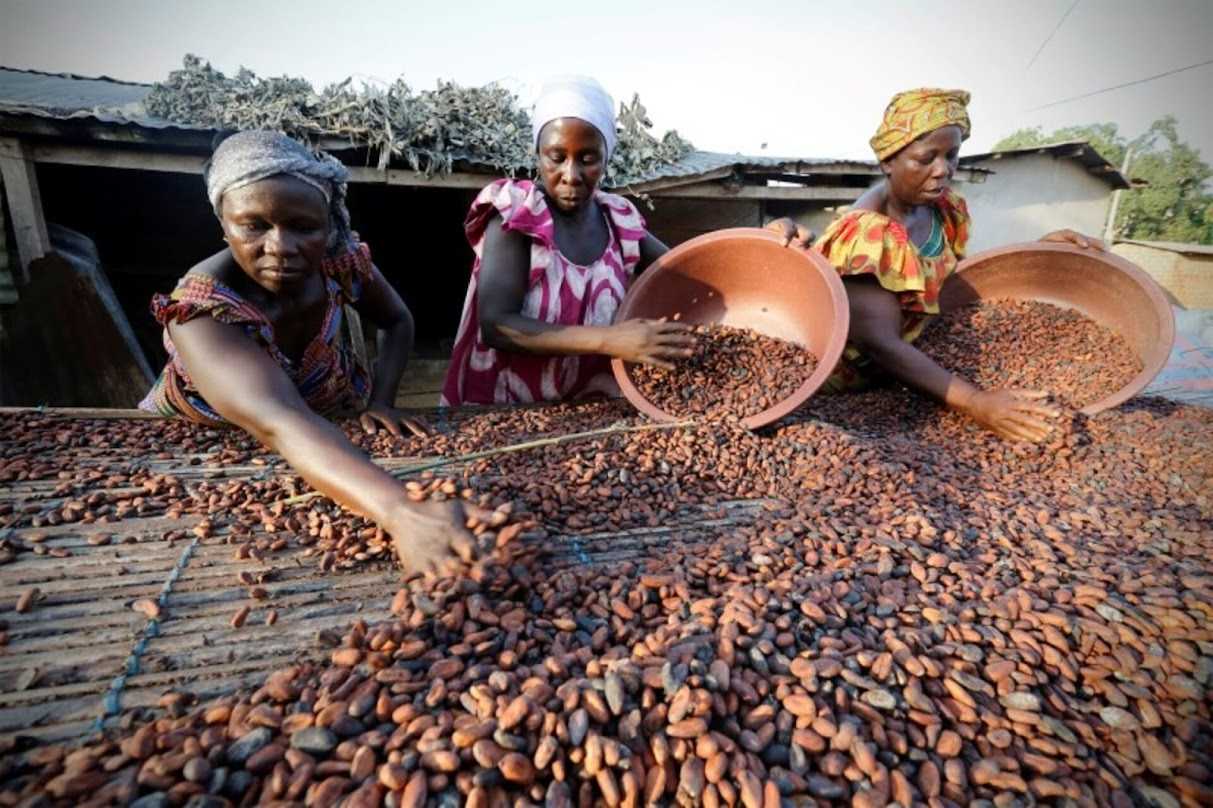
Ivory Coast, the world’s largest producer of cocoa, has said it will announce the mid-crop price that farmers will receive by the end of February, earlier than usual, as authorities face mounting pressure to adjust farmer incomes in response to a prolonged slump in global cocoa prices.
According to Reuters, the country’s agriculture minister confirmed that the government will determine and publish the fixed price for mid-crop cocoa beans before the month closes. The announcement typically comes in late March each year, but this year’s schedule has been brought forward as producers and policymakers grapple with weaker world market conditions.
Cocoa is a cornerstone of Ivory Coast’s economy, accounting for a significant share of export revenues and providing livelihoods for millions of smallholder farmers. The nation, together with neighbouring Ghana, dominates global cocoa supply and plays a central role in setting regional pricing benchmarks that reverberate through international commodity markets.

Global cocoa prices have been under pressure due to a combination of factors, including lower demand from key consuming regions, softening chocolate sales in some markets, and inventory overhangs. In this context, there has been growing debate within producer communities about how best to balance guaranteed farmgate prices with market realities. Fixing the mid-crop price earlier than usual reflects policymakers’ desire to provide farmers with clarity sooner, reduce uncertainty and help them make production and marketing decisions amid volatile conditions.
The mid-crop price is a key reference point for farmers selling beans harvested in the middle of the season, and it influences farm revenue and cash flow. It forms part of a two-step pricing system that includes the main crop price and the mid-crop price, each intended to reflect changing market conditions throughout the cocoa year. How Ivory Coast sets the mid-crop price can have ripple effects across West African cocoa markets, given its scale and the interconnected nature of pricing arrangements.
The decision to accelerate the price announcement also comes against a backdrop of broader discussions about how to enhance the resilience of cocoa farming communities. Issues such as ageing trees, climate change pressures, and the need for sustainable agricultural practices have led governments and international partners to explore reforms that support long-term productivity and farmer welfare. Earlier price setting may give farmers more time to plan inputs, manage labour and adjust their operations as needed.

Ivory Coast’s agriculture ministry did not immediately specify the exact price range under consideration, but analysts and market watchers will be closely watching for figures that balance producer needs with commodity market signals. How the new mid-crop price compares with previous years, and how it aligns with Ghana’s pricing decisions, could influence farmer sentiment and regional competitiveness.
In recent seasons, producer governments have faced calls from farmer organisations to maintain strong price supports even as export prices fall, reflecting concerns over the cost of living, input costs and rural incomes. Meanwhile, chocolate manufacturers and global traders monitor these price benchmarks as they source beans for processing and negotiate supply contracts.
The early price announcement may also affect trading patterns in international cocoa markets, where futures prices reflect global supply and demand dynamics. By providing greater price certainty sooner, Ivory Coast aims to reduce market speculation and give producers a clearer signal about expected returns for the mid-crop.

As the announcement deadline approaches, attention is likely to focus on how policymakers balance macroeconomic pressures with the need to sustain rural livelihoods in one of West Africa’s most agriculturally dependent economies.