


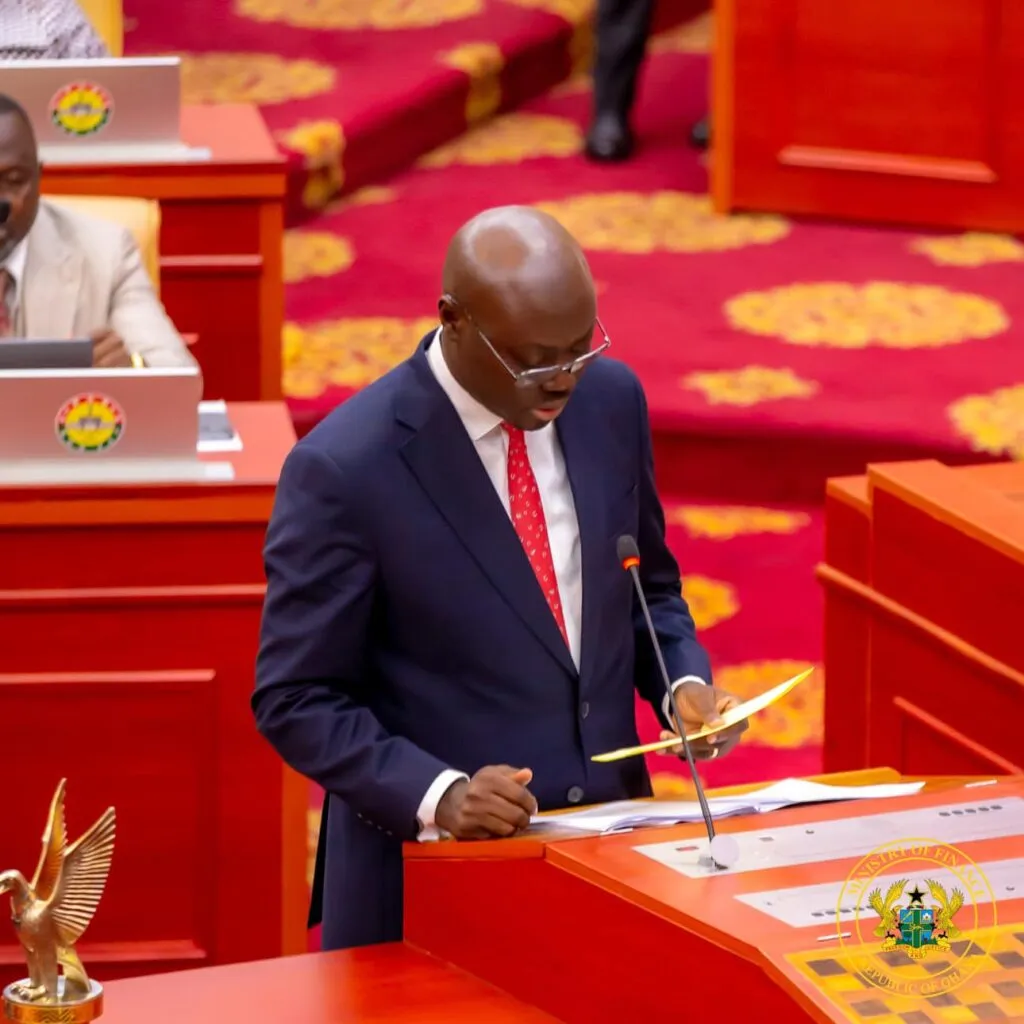
Ghana is projected to rank as the Ghana 8th largest economy in Africa by 2026, with an estimated Gross Domestic Product of about $113.49 billion. The milestone reflects steady economic expansion, with output expected to rise from roughly $108 billion in 2025 on the back of a projected 4.8% growth rate. While the numbers signal progress, the broader significance lies in what this ranking means for households, businesses, and Ghana’s competitive position on the continent.
Becoming the Ghana 8th largest economy in Africa places the country among the continent’s leading economic performers, trailing heavyweights such as South Africa, Egypt, and Nigeria. Though Ghana’s economy remains smaller than these giants, its upward movement in the rankings signals resilience amid global financial tightening, domestic debt restructuring, and commodity price volatility.
Why Ghana 8th Largest Economy in Africa Matters
The shift to Ghana 8th largest economy in Africa status is more than symbolic. Economic size influences investor perception, creditworthiness, and bargaining power in regional trade negotiations. A larger GDP base often translates into improved capacity to attract foreign direct investment, secure concessional financing, and support domestic enterprises.
For businesses, this ranking reinforces confidence. Companies considering expansion or market entry are more likely to view Ghana as a stable growth destination when it ranks higher in continental comparisons. Infrastructure upgrades in roads, ports, and energy systems have already lowered logistics costs, improving the operating environment for manufacturers and traders.
For households, the implications are tied to job creation and income growth. Sustained GDP expansion typically stimulates demand for labor in services, industry, and construction. As the economy broadens, opportunities expand beyond traditional sectors like agriculture, creating diversified employment pathways.
Sector Drivers Behind Ghana 8th Largest Economy in Africa
The anticipated rise to Ghana 8th largest economy in Africa is rooted in diversification. Gold and cocoa remain central export pillars, but oil and gas production has become increasingly important in stabilizing fiscal revenues. This blend of natural resource wealth and expanding service industries helps cushion the economy against single-commodity shocks.
The services sector, including finance, telecommunications, and retail, has emerged as a powerful growth engine. Digitalization and mobile money adoption have deepened financial inclusion, allowing more households and small enterprises to participate in formal economic activity. Meanwhile, targeted industrial policies aim to strengthen value addition, reducing reliance on raw commodity exports.
Such diversification reduces vulnerability to external shocks, which is critical for maintaining the trajectory toward Ghana eighth largest economy in Africa standing. A balanced economic mix also provides businesses with broader supply chains and more predictable domestic demand.
How It Affects Businesses
For domestic enterprises, achieving Ghana 8th largest economy in Africa status enhances market credibility. International partners may perceive Ghanaian firms as operating within a more mature economic framework, easing access to cross-border partnerships.
Infrastructure investments have already improved efficiency in transport and energy supply. Reduced power outages and improved port capacity can lower production costs and shorten delivery timelines. As the economy grows, consumer purchasing power is likely to rise, expanding the customer base for goods and services.
However, growth alone does not eliminate structural challenges. Public debt management remains a pressing issue. Businesses must navigate fiscal reforms and potential tax adjustments aimed at stabilizing government finances. The sustainability of the Ghana 8th largest economy in Africa ranking will depend on prudent fiscal policy and continued investor confidence.
Household Impact of Ghana 8th Largest Economy in Africa
For families, macroeconomic growth can translate into tangible improvements if managed inclusively. A larger economy often correlates with improved public services, including education, healthcare, and infrastructure. If government revenues expand alongside GDP, targeted social spending could strengthen household welfare.
Inflation control remains crucial. Economic expansion without price stability can erode purchasing power. Maintaining the gains associated with Ghana 8th largest economy in Africa status requires disciplined monetary policy to ensure that growth benefits are not offset by rising living costs.
Additionally, urbanization trends may accelerate as opportunities cluster in economic hubs. While this can stimulate innovation and productivity, it also places pressure on housing, transportation, and social services. Policymakers will need to balance growth with equitable development to ensure households nationwide share in the gains.
Compared to Africa’s largest economies, Ghana’s projected GDP remains modest. South Africa’s industrial depth, Egypt’s diversified base, and Nigeria’s population scale give them structural advantages. Yet Ghana’s consistent macroeconomic management and diversified growth model underpin its climb toward Ghana 8th largest economy in Africa status.
In West Africa, this ranking strengthens Ghana’s influence in regional trade blocs and economic partnerships. As integration initiatives expand across the continent, economic size enhances negotiating leverage and market attractiveness.
Sustaining the Momentum
Ultimately, the transition to Ghana 8th largest economy in Africa reflects both achievement and responsibility. The milestone signals progress, but sustaining momentum will require reforms that deepen industrialization, strengthen fiscal discipline, and broaden financial inclusion.
For businesses, it represents opportunity, larger markets, improved infrastructure, and stronger investor sentiment. For households, it offers the promise of employment growth and improved living standards, provided that expansion remains inclusive and inflation remains contained.
The coming years will test whether Ghana can consolidate its position and translate macroeconomic gains into everyday prosperity. If managed wisely, the Ghana 8th largest economy in Africa milestone could mark not just a statistical ranking, but a durable shift toward long-term economic resilience.
Rising transport costs: The hidden toll on workers and students