

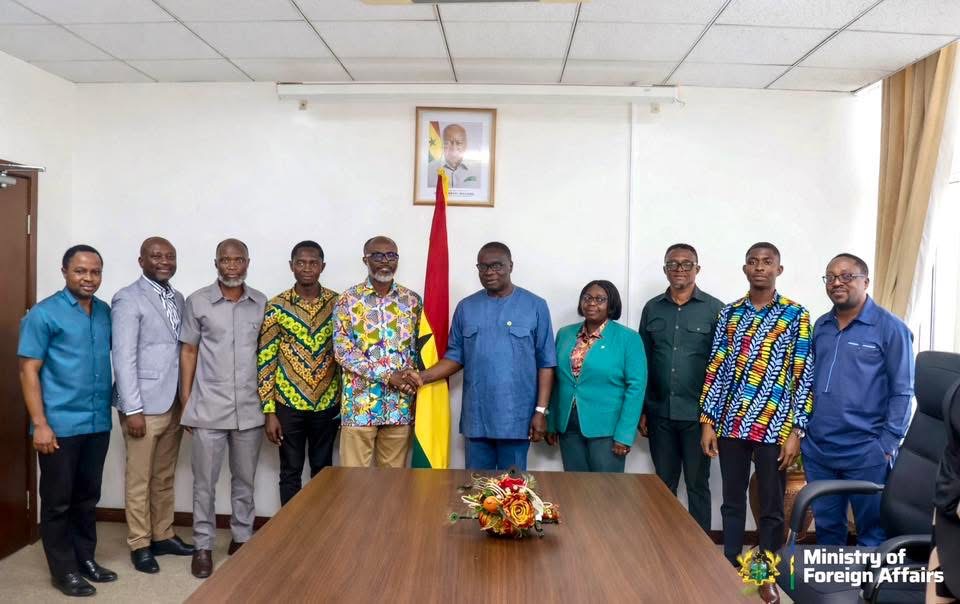
The Ghana nuclear energy programme is entering a new phase as cooperation between the Ministry of Foreign Affairs and Nuclear Power Ghana deepens, signaling that the country’s nuclear ambitions are no longer just a technical or domestic policy issue but a matter of strategic diplomacy. A recent briefing between Nuclear Power Ghana officials and the Deputy Minister for Foreign Affairs underscores how energy security is increasingly intertwined with foreign policy and regional influence.
At its core, the Ghana nuclear energy programme aims to integrate nuclear power into the national energy mix to stabilize electricity supply and meet long-term demand. Officials report progress in site assessments, regulatory preparations, technology vendor selection, and capacity building. These steps suggest that Ghana is moving methodically toward deployment, aligning with international safety standards while positioning itself for future grid integration.
Why the Ghana Nuclear Energy Programme Matters
Energy reliability remains a critical issue for Ghana’s economic trajectory. Persistent power supply constraints in the past have disrupted businesses, weakened industrial output, and affected household welfare. The Ghana nuclear energy programme represents an attempt to diversify the country’s generation sources beyond hydro and thermal plants, reducing exposure to fuel price volatility and climate-related disruptions.
For businesses, particularly manufacturers and heavy industry operators, consistent electricity supply determines competitiveness. Frequent outages increase production costs, damage equipment, and discourage investment. If successfully implemented, the Ghana nuclear energy programme could provide stable baseload power, supporting factories, digital infrastructure, and data-driven enterprises that require uninterrupted energy.
Households also stand to benefit. Reliable electricity improves quality of life, supports education through digital learning tools, and enables small home-based businesses to operate efficiently. In rural and peri-urban communities, dependable power can foster microenterprise growth, refrigeration for food storage, and expanded healthcare services. The long-term stability promised by the Ghana nuclear energy programme therefore has both macroeconomic and social implications.
Energy Diplomacy and Regional Ambitions
The diplomatic dimension of the Ghana nuclear energy programme is equally significant. Engagement with the Foreign Affairs Ministry highlights Ghana’s commitment to adhering to international nuclear safety frameworks and peaceful-use obligations. Nuclear energy carries global scrutiny, and successful deployment requires transparency, regulatory rigor, and collaboration with international agencies.
Officials have also pointed to the possibility of exporting surplus electricity through the West African Power Pool. If achieved, the Ghana nuclear energy programme could transform Ghana into a regional electricity hub, strengthening economic ties with neighboring countries. Energy exports would generate foreign exchange and reinforce Ghana’s leadership role within West Africa’s power integration efforts.
This regional strategy matters for businesses that operate across borders. Improved grid connectivity and reliable supply can lower operational risks for multinational firms considering West African expansion. It may also attract new industries that depend on high-capacity, stable electricity, such as data centers and advanced manufacturing plants.
Balancing Opportunity and Responsibility
Despite its promise, the Ghana nuclear energy programme must navigate complex financial, environmental, and safety considerations. Nuclear power projects require substantial upfront capital investment and long construction timelines. Financing arrangements, public acceptance, and transparent communication will be critical to maintaining momentum.
Businesses in the energy supply chain could benefit from infrastructure development, including construction, engineering services, and regulatory consulting. Local firms may gain opportunities in skills training, logistics, and maintenance support. At the same time, adherence to strict safety standards remains paramount to avoid reputational or environmental risks that could undermine public trust.
For households, perceptions of nuclear safety and environmental protection will shape support for the initiative. Clear communication about safeguards, emergency preparedness, and regulatory oversight is essential to ensure community buy-in. The diplomatic engagement surrounding the Ghana nuclear energy programme suggests that authorities recognize the importance of aligning domestic goals with global best practices.
Long-Term Economic Implications
The broader economic case for the Ghana nuclear energy programme lies in its potential to anchor sustainable growth. Stable power supply reduces production costs, encourages foreign direct investment, and supports innovation. Over time, diversified energy sources can cushion the economy against external shocks, including fluctuations in fossil fuel markets.
For households, reliable electricity underpins digital inclusion and access to essential services. As Ghana modernizes its economy, energy infrastructure becomes a foundational pillar. The collaboration between Nuclear Power Ghana and the Foreign Affairs Ministry signals that the country views nuclear energy not merely as a technical upgrade but as a strategic lever for development and regional integration.
Ultimately, the success of the Ghana nuclear energy programme will depend on disciplined execution, transparent governance, and sustained diplomatic engagement. If managed effectively, it could redefine Ghana’s energy landscape, strengthen business confidence, and improve living standards for millions of households.