

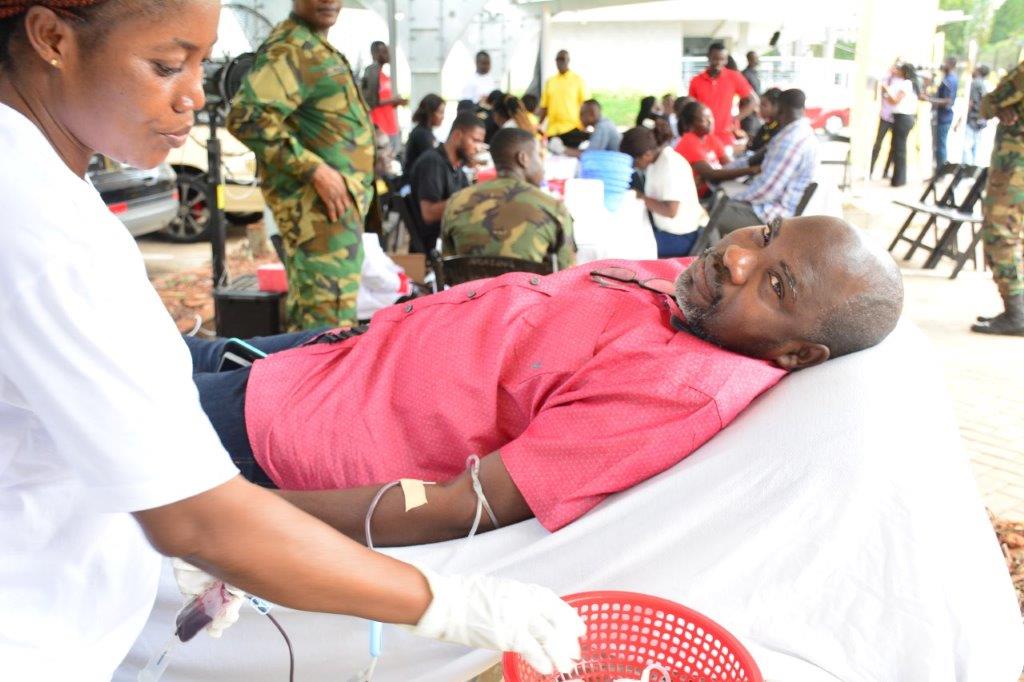
The 2026 blood donation drive led by MTN Ghana Foundation in partnership with Cal Bank signals a renewed effort to address Ghana’s persistent blood supply shortages and improve healthcare outcomes nationwide. Scheduled for 13th February, the campaign aims to collect 7,000 units of blood in a single day, distributing them across the National Blood Service and regional hospital blood banks. This initiative reflects an increasing recognition of voluntary blood donation as both a community responsibility and a critical enabler of healthcare stability.
The importance of the blood donation drive extends beyond simply replenishing hospital stocks. Ghana continues to face periodic shortfalls in blood availability, particularly for emergency surgeries, maternal care, and accident victims. Insufficient blood supplies can delay life-saving procedures, increasing the risk of preventable deaths and placing significant strain on hospital resources. By mobilizing a large-scale nationwide campaign, MTN Foundation and Cal Bank are directly contributing to the resilience of the healthcare system and ensuring that critical treatments can proceed without delay.
For households, the initiative translates into a tangible safety net. Families with members who require transfusions, such as pregnant women, accident victims, or patients with chronic conditions, stand to benefit from increased availability of safe blood. Households experience fewer disruptions to treatment schedules and reduced anxiety associated with emergency hospital visits, while communities see improved overall health outcomes.
How the Blood Donation Drive Supports Businesses and Communities
The 2026 blood donation drive also carries significant implications for businesses and community organisations. Corporate participation in the campaign demonstrates social responsibility while fostering stronger ties between companies and the communities they serve. By encouraging employees to donate, organisations help create a culture of care and civic engagement, which can boost morale and enhance corporate reputation.
Moreover, the initiative indirectly supports the healthcare ecosystem that underpins economic activity. Hospitals and emergency services rely on consistent blood supplies to maintain operations efficiently. Timely access to blood reduces downtime in medical procedures, prevents resource bottlenecks, and allows healthcare professionals to focus on patient care rather than rationing limited supplies. This in turn strengthens workforce health and productivity, benefiting households and businesses alike.
Expanding Reach and Participation
To maximize impact, the blood donation drive will deploy donation centres across all 16 regions of Ghana, including high-traffic collection points at the MTN Ghana Head Office, Cal Bank Ridge Office, and MobileMoney Ltd at the Stanchart Building in Accra. An additional 44 designated centres nationwide ensure that accessibility does not hinder participation, enabling urban and rural populations to contribute equally to the campaign.
Samuel Bartels, Acting Chief Corporate Services and Sustainability Officer at MTN Ghana, emphasized the urgency of public participation: “Every unit of blood donated becomes a lifeline for someone’s parent, child, friend, or colleague. This campaign is not just another event. It is an act of love and a demonstration of leadership.” By framing blood donation as both an ethical responsibility and a direct contribution to public welfare, the campaign encourages widespread engagement across diverse sectors of society.
Building on a Legacy of Life-Saving Initiatives
Since its inception in 2011, the MTN “Save a Life” campaign has established itself as one of Ghana’s most successful voluntary blood donation drives, having mobilised over 35,000 units of blood. The 2026 edition builds on this legacy by strengthening institutional partnerships, expanding geographic reach, and reinforcing the importance of community-led initiatives in national health.
The campaign also aligns with broader public health goals, including reducing preventable mortality, supporting maternal and pediatric care, and fostering a culture of voluntary giving. By integrating businesses, civil society, and the general public into the initiative, the drive creates a sustainable model for continued blood supply security.
The 2026 blood donation drive exemplifies how strategic partnerships between corporate foundations and financial institutions can deliver tangible health outcomes. Beyond the immediate goal of collecting 7,000 units, the campaign strengthens community trust in healthcare systems, supports hospital operations, and enhances household wellbeing. For Ghana, this drive is not only about saving lives, it is about reinforcing a culture of care, civic responsibility, and shared commitment to national development.