

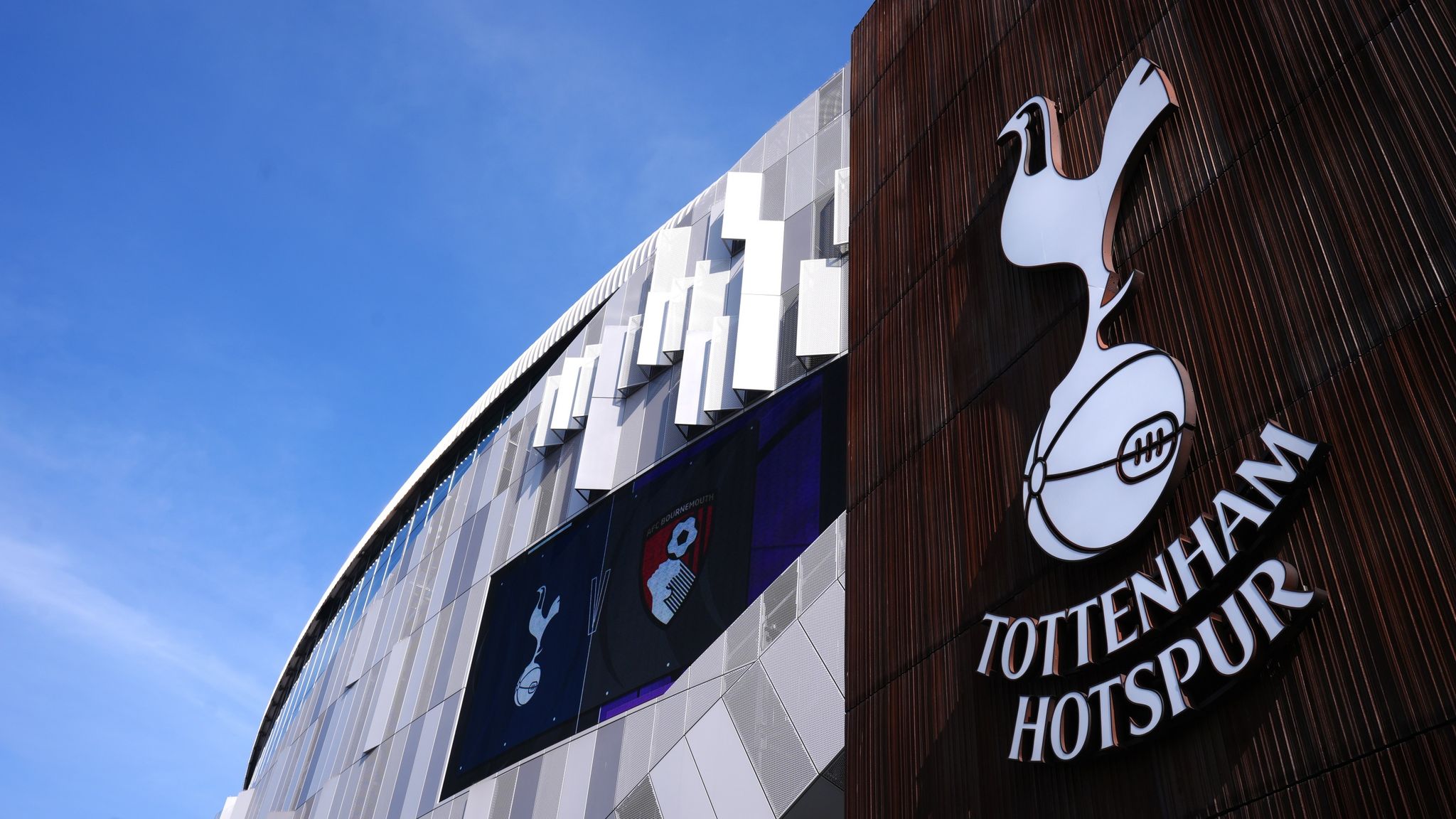
Tottenham Hotspur once again find themselves at a familiar crossroads. Following the dismissal of Thomas Frank, Spurs are searching for yet another manager capable of restoring direction, identity, and belief at a club that has struggled for consistency since the departure of Mauricio Pochettino in 2019. As the board weighs its options, three names have quickly emerged at the centre of the debate: Roberto De Zerbi, Oliver Glasner, and a potential return to Pochettino himself. Each represents a distinct philosophy, a different level of risk, and a unique fit for the current Tottenham squad.
The decision Tottenham make next will not only define the remainder of the season but could shape the club’s trajectory for years to come.
Why the next appointment matters so much
Frank’s sacking exposed deeper structural issues at Tottenham. Beyond results, the club has struggled to establish a clear footballing identity, cycling through managers with contrasting styles and expectations. The next head coach will be tasked with stabilising performances, reconnecting with supporters, and extracting consistency from a squad that blends youth, experience, and unfulfilled potential.
Crucially, the board must decide whether to pursue a long-term project, a short-term stabiliser, or a symbolic reunion that reignites belief across the club.
Roberto De Zerbi: The ideologue

Roberto De Zerbi has built a reputation as one of Europe’s most progressive tactical minds. Known for his possession-heavy, build-from-the-back philosophy, De Zerbi demands technical bravery, positional discipline, and relentless pressing. His teams are comfortable playing through pressure and controlling games with the ball, often dominating possession even against stronger opponents.
From a stylistic standpoint, De Zerbi’s approach aligns well with Tottenham’s attacking DNA. Spurs possess defenders and midfielders capable of playing out from the back, as well as attackers who thrive on quick combinations and positional rotations. His style could suit technically gifted players while providing a clear identity Spurs have lacked.
However, there are challenges. De Zerbi’s system requires time, patience, and absolute buy-in from players and board alike. Mistakes are inevitable early on, especially in high-risk build-up phases. Tottenham’s fanbase, already worn down by years of upheaval, may struggle with another transitional period if results dip.
There is also the contractual reality. De Zerbi is currently tied to his club and would command a significant compensation fee. Spurs would need to demonstrate full commitment, both financially and structurally, to convince him that North London is the right environment for his methods to flourish.
Oliver Glasner: The pragmatic winner

Oliver Glasner represents a different profile altogether. A coach praised for his tactical flexibility, organisation, and ability to win knockout matches, Glasner blends structure with moments of attacking directness. His teams are typically disciplined defensively, comfortable without the ball, and ruthless in transition.
For Tottenham, Glasner offers immediate stability. His pragmatic approach could quickly address Spurs’ defensive frailties and restore a sense of control in matches that have too often slipped away. He is less ideologically rigid than De Zerbi, adapting systems to suit his squad rather than forcing players into a single blueprint.
The question is whether Glasner’s style truly matches Tottenham’s long-standing identity. Spurs supporters traditionally expect proactive, attacking football, and while Glasner’s teams can be effective, they are not always expansive. There is also the matter of connection with the fanbase Glasner lacks the emotional pull or historical link that could unite supporters behind a long-term vision.
Contractually, Glasner may be more attainable than De Zerbi, though Spurs would still need to convince him that the club’s hierarchy will fully back his methods and provide stability beyond the short term.
Mauricio Pochettino: The emotional return

No name resonates with Tottenham supporters quite like Mauricio Pochettino. His previous tenure delivered Spurs’ most exciting modern era: high-energy pressing, player development, and a genuine sense of belief that the club belonged among Europe’s elite. A return would instantly reconnect the fanbase with the team and restore a sense of familiarity and trust.
Tactically, Pochettino’s style still suits Tottenham. His emphasis on intensity, vertical football, and collective pressing would align well with the current squad, particularly younger players who thrive on energy and movement. He also understands the club’s culture, expectations, and limitations better than any external candidate.
However, there are significant questions. Football has moved on since his departure, and so has Tottenham. Would a second spell recapture the magic, or risk living in the shadow of past success? There is also the issue of availability Pochettino is currently under contract elsewhere, and negotiations could be complex.
From the board’s perspective, bringing Pochettino back would be both a footballing and symbolic decision. It would signal a willingness to admit past mistakes, but also a gamble that nostalgia can translate into sustainable progress.
Looking beyond the big three
While De Zerbi, Glasner, and Pochettino dominate the conversation, Tottenham are also known for exploring alternative options. The club may yet consider a younger, emerging coach or an experienced caretaker to steady the ship before committing to a long-term appointment in the summer.
This approach would reduce immediate risk but could frustrate supporters eager for clarity and ambition.
Which direction will Spurs choose?
Ultimately, Tottenham’s decision hinges on what the club wants to be.c
hoosing De Zerbi would signal a bold commitment to modern, possession-based football and a long-term rebuild.
Opting for Glasner would prioritise structure, results, and short-term stability.
- Turning back to Pochettino would be an emotional reset, driven by identity, connection, and unfinished business.
After Thomas Frank’s sacking, Spurs cannot afford another misstep. The next appointment must be more than a reaction it must be a statement. Whether that statement is ideological, pragmatic, or sentimental will define the next chapter of Tottenham Hotspur Football Club.