

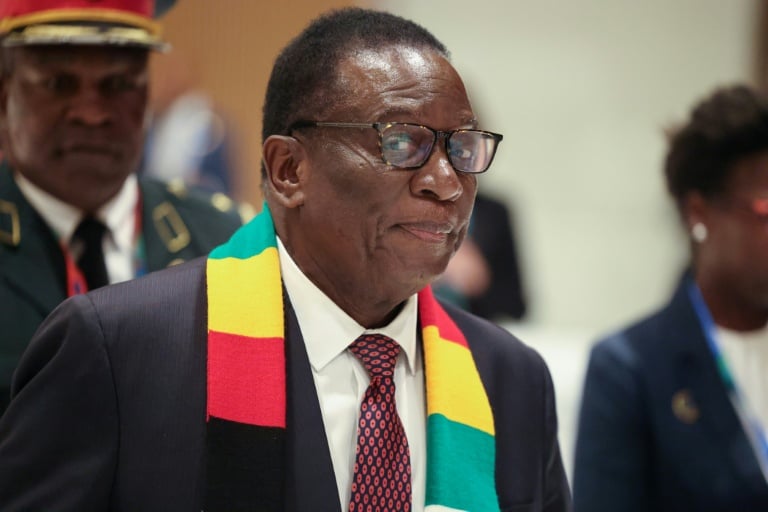
Zimbabwe’s cabinet has approved proposed constitutional amendments that could significantly reshape the country’s political landscape by extending the presidential term and transferring the power to elect the head of state from voters to parliament.
The ruling Zimbabwe African National Union–Patriotic Front (ZANU-PF) says the reforms are designed to promote political stability and ensure continuity in governance. According to government officials, the changes are intended to reduce frequent electoral cycles and provide a stable framework for long-term national development.
If passed, the amendments could allow President Emmerson Mnangagwa to remain in office beyond his current term, potentially extending his leadership until 2030. Mnangagwa, who first assumed office in 2017 following the removal of former President Robert Mugabe, secured re-election in 2023 for a second five-year term under the existing constitutional framework, which limits presidents to two terms.

Under the proposed changes, parliament would be granted the authority to elect the president, replacing the current system of direct popular vote. Supporters within ZANU-PF argue that such a model would streamline governance and reduce political tensions often associated with national elections.
However, opposition parties and civil society groups have raised concerns that the amendments could weaken democratic safeguards. Critics argue that removing direct voter participation in presidential elections would concentrate power within parliament, where ZANU-PF holds a dominant majority. They warn that the move risks undermining electoral accountability and eroding constitutional checks and balances established under the 2013 Constitution.
Legal analysts note that depending on the scope and classification of the amendments, the changes could require more than a parliamentary supermajority. If deemed a significant alteration to core constitutional provisions, the reforms may need to be subjected to a national referendum, giving citizens the final say.

The proposed amendments will now be tabled before parliament for debate and possible approval in the coming months, setting the stage for what is likely to be a heated political contest over the future of Zimbabwe’s democratic framework.
Ghana cabinet approves dig once policy to accelerate digital infrastructure