

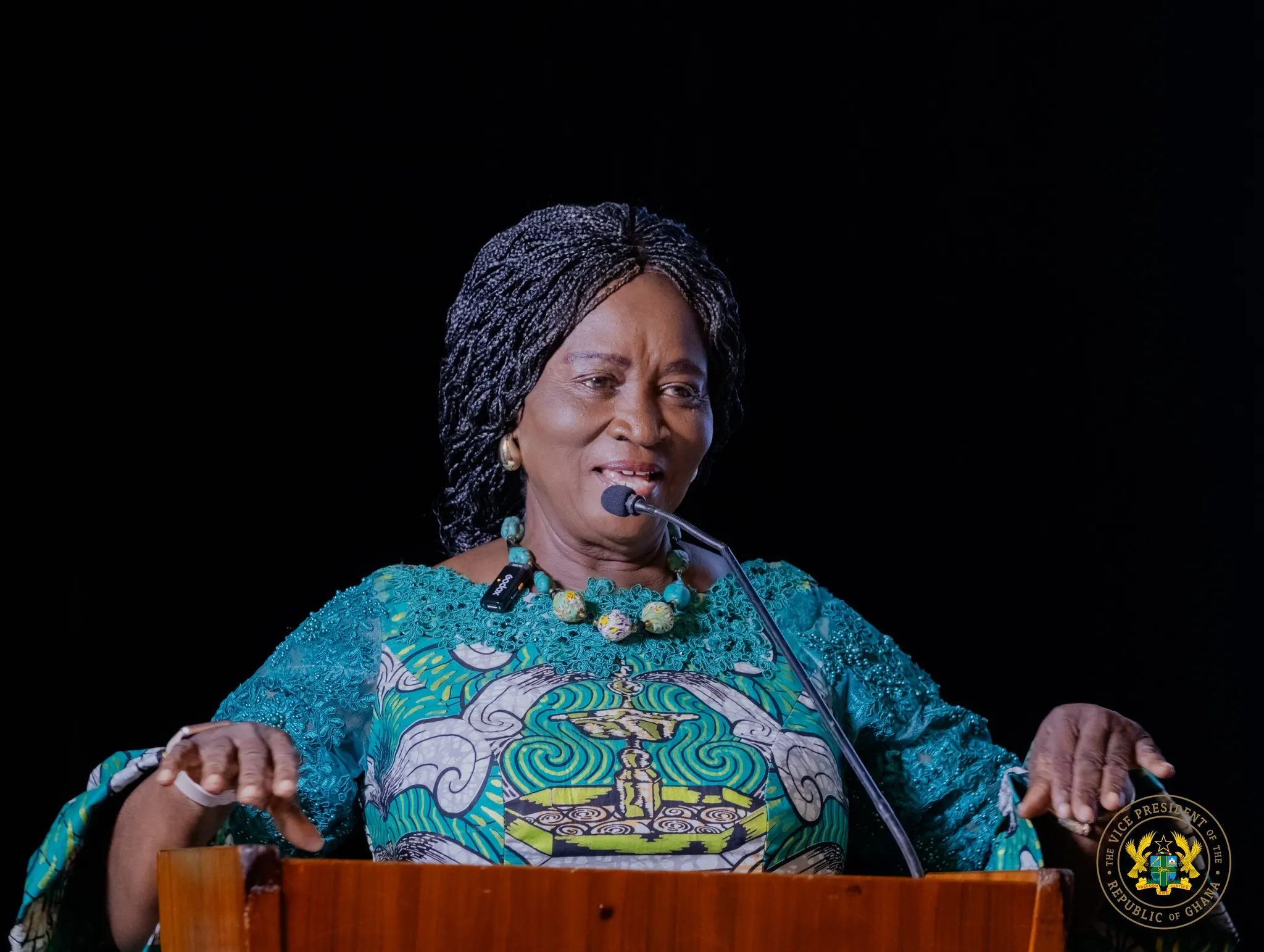
AfCFTA SME participation gap has emerged as a major concern for policymakers after Ghana’s Vice President, Professor Jane Naana Opoku-Agyemang, highlighted the low involvement of small and medium-sized enterprises in cross-border trade. Despite SMEs accounting for over 80 percent of employment across Africa and contributing significantly to GDP, fewer than 20 percent are actively engaged in export trade under the African Continental Free Trade Area (AfCFTA).
This AfCFTA SME participation gap underscores a deeper structural imbalance: the continent’s largest employers remain marginal players in the very trade framework designed to unlock their growth. While AfCFTA brings together 54 countries and a market of 1.3 billion people, the benefits risk concentrating among larger firms unless smaller businesses are deliberately integrated.
Why the AfCFTA SME Participation Gap Matters
The AfCFTA SME participation gap is not merely a trade statistic, it has macroeconomic implications. SMEs form the backbone of African economies. When they fail to participate in regional trade, Africa’s broader integration agenda slows down.
If SMEs remain domestically confined, the promise of value addition, industrialisation, and job creation weakens. Instead, economies risk persisting in a pattern of exporting raw materials while importing finished goods. That model suppresses productivity growth and exposes countries to commodity price shocks.
The Vice President’s warning signals that AfCFTA’s success depends less on high-level protocols and more on grassroots commercial activity. Trade agreements alone do not transform economies; participation does.
Barriers Driving the AfCFTA SME Participation Gap
Several structural constraints explain the AfCFTA SME participation gap. Access to finance remains limited, particularly for women- and youth-led enterprises. Exporting requires working capital, compliance certification, logistics support, and cross-border payment systems—resources many SMEs struggle to secure.
Mobility and market access barriers further compound the challenge. Regulatory complexity, customs procedures, and fragmented standards discourage smaller firms from venturing beyond domestic markets.
Additionally, limited technical capacity and inadequate institutional support restrict SMEs from scaling production to meet regional demand. Without targeted upskilling and export-readiness programmes, the participation deficit will persist.
The First Lady of Angola, Ana Dias Lourenço, reinforced this concern by framing exclusion as a structural economic risk. When women and youth are sidelined, economies operate below potential capacity.
Impact on Businesses and Entrepreneurs
For businesses, the AfCFTA SME participation gap represents both a challenge and an opportunity.
Large corporations may benefit initially from expanded regional access, but long-term competitiveness depends on strong domestic supply chains, most of which are powered by SMEs. If smaller enterprises fail to scale, larger firms face higher input costs and weaker ecosystem resilience.
For entrepreneurs, limited participation means lost growth opportunities. Cross-border trade can diversify revenue streams, hedge against local economic downturns, and improve foreign exchange earnings. Without integration, SMEs remain vulnerable to domestic market saturation and currency volatility.
Moreover, technology-driven sectors, agribusiness, and light manufacturing stand to benefit significantly from AfCFTA. However, without deliberate intervention, these sectors may fail to capture regional demand.
The AfCFTA SME participation gap also affects households directly. SMEs are the largest employers across Africa. When they cannot expand into regional markets, job creation stagnates.
Youth unemployment remains a pressing issue across the continent. If young entrepreneurs lack institutional support to scale ideas across borders, migration pressures intensify, and talent drain accelerates.
Households also face indirect consequences. Limited SME growth constrains income growth, reduces consumer choice, and sustains higher prices due to weak competition. In contrast, robust SME participation in AfCFTA could lower costs through economies of scale and stronger regional supply chains.
Women, who dominate informal and small-scale trade in many African economies, are particularly affected. Without improved access to finance and green technologies, their ability to compete regionally remains restricted.
Policy Imperatives to Close the AfCFTA SME Participation Gap
Addressing the AfCFTA SME participation gap requires coordinated policy intervention.
First, development finance institutions must expand accessible export financing tailored to SMEs. Blended finance models, credit guarantees, and digital trade financing platforms can reduce risk.
Second, governments must streamline customs processes and harmonise standards to reduce compliance burdens. Simplified trade regimes and digital documentation systems would lower transaction costs.
Third, infrastructure and connectivity investments are critical. Reliable transport networks, energy supply, and digital infrastructure underpin competitive cross-border trade.
Finally, industrial strategies must prioritise skills development and innovation ecosystems. As highlighted during the Africa Prosperity Dialogues 2026, strong institutions and governance frameworks are essential to sustain progress.
AfCFTA remains the world’s largest free trade area by participating countries. Yet its transformative potential hinges on whether SMEs—the continent’s primary job creators, can meaningfully participate.
The AfCFTA SME participation gap is therefore not a peripheral issue; it is central to Africa’s economic future. Without deliberate reforms, the agreement risks reinforcing existing inequalities rather than driving inclusive prosperity.
Closing this gap could unlock productivity, stimulate innovation, and create millions of jobs. Leaving it unresolved could entrench low-growth patterns and deepen structural vulnerabilities.
Africa’s trade ambitions will ultimately be measured not by the size of its agreements, but by the breadth of its participation.
Ghana IMF programme performance highlights path to sustainable recovery