


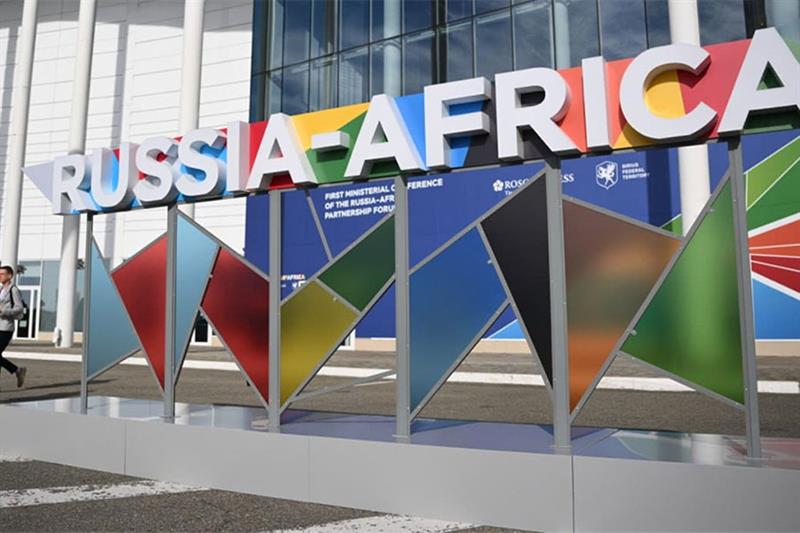
The recent discussions on the Russia-Africa strategy highlight the country’s intent to redefine its engagement with the African continent through a combination of economic diplomacy, media outreach, and strategic partnerships. Experts suggest that Russia’s renewed focus could reshape trade, investment, and political dynamics across Africa, affecting both businesses and households in multiple sectors. With a population of 1.4 billion and emerging opportunities under the African Continental Free Trade Area (AfCFTA), Africa represents a high-stakes arena where global powers, including Russia, are competing for influence.
Why the Russia-Africa Strategy Matters
The Russia-Africa strategy is not simply a geopolitical manoeuvre; it carries tangible and far-reaching consequences for African economies, societies, and governance structures. For businesses, enhanced Russian engagement can translate into access to new financing channels, cutting-edge technology transfer, and the expansion of market opportunities across multiple sectors, including energy, infrastructure, manufacturing, and agriculture. Local companies may benefit from partnerships with Russian firms, enabling skill development, improved operational practices, and increased competitiveness both regionally and globally. Households, on the other hand, could experience indirect but significant advantages, such as increased job creation, the development of critical infrastructure like roads, ports, and power supply, and the introduction of new services in health, education, and digital connectivity, all stemming from sustained foreign investment and collaboration.
At the same time, analysts caution that without careful planning and governance, this engagement carries risks. There is the potential for strategic interests of external actors to take precedence over the long-term development priorities of African nations, creating scenarios where economic benefits are concentrated among select regions, industries, or elites, rather than reaching broader populations. As such, transparency, effective regulation, and strong local partnerships are essential to ensure that the Russia-Africa strategy delivers inclusive growth and contributes meaningfully to sustainable economic and social development across the continent.
Economic Diplomacy and AfCFTA Opportunities
Russia’s approach focuses heavily on economic diplomacy, leveraging trade and investment opportunities across sectors such as energy, manufacturing, agriculture, and infrastructure. African nations are increasingly participating in AfCFTA initiatives, which open avenues for cross-border trade, regional value chains, and industrial expansion. By aligning with these initiatives, Russia can strengthen its presence while facilitating business growth within African markets. For households, the economic benefits may translate into more accessible goods, enhanced services, and new employment opportunities arising from foreign-led investments.

A critical component of the Russia-Africa strategy is the role of media in shaping perception and fostering engagement. Historically, Western media narratives have dominated the African information landscape, influencing public opinion and shaping perceptions of global players. Russia faces the challenge of overcoming these entrenched narratives and building its own communication channels. By leveraging local media and creating people-focused outreach programs, Russia can enhance its image, inform citizens about corporate investments, and generate trust with local communities. For households, better-informed public discourse helps communities understand foreign partnerships and their direct impact on daily life.
Strategic Partnerships and Bilateral Engagement
The Russia-Africa strategy emphasises strategic partnerships beyond symbolic diplomacy. Hosting summits, participating in regional initiatives, and engaging with African businesses allows Russia to demonstrate concrete value. Experts note that Russia’s involvement should go beyond arms sales or limited government-level agreements to include initiatives that address peace, economic development, and public welfare. This approach can strengthen bilateral relations, create sustainable business ecosystems, and provide households with improved services, from energy access to healthcare support.
Despite the potential, the Russia-Africa strategy faces multiple challenges, including language barriers, socio-cultural diversity, and existing Western dominance in technology and media influence. To succeed, Russia must develop localized approaches that integrate African perspectives, leverage local talent, and demonstrate tangible contributions to development. Opportunities include increasing corporate investments, supporting the achievement of Sustainable Development Goals, and improving Africa’s technological and infrastructural capabilities. Businesses benefit from more predictable trade environments, and households may experience higher-quality public services and employment opportunities as a result of successful partnerships.
The Russia-Africa strategy represents a deliberate attempt by Russia to expand its influence, strengthen economic ties, and engage directly with African populations. Its success will depend on balancing strategic interests with local development priorities, leveraging media effectively, and fostering partnerships that produce tangible benefits for both businesses and households. As Africa continues to emerge as a key global economic player, Russia’s engagement, if sustained and strategic, could shape the continent’s economic and diplomatic trajectory for years to come.
Nigeria ambassador deployments signal strategic reset in global economic diplomacy